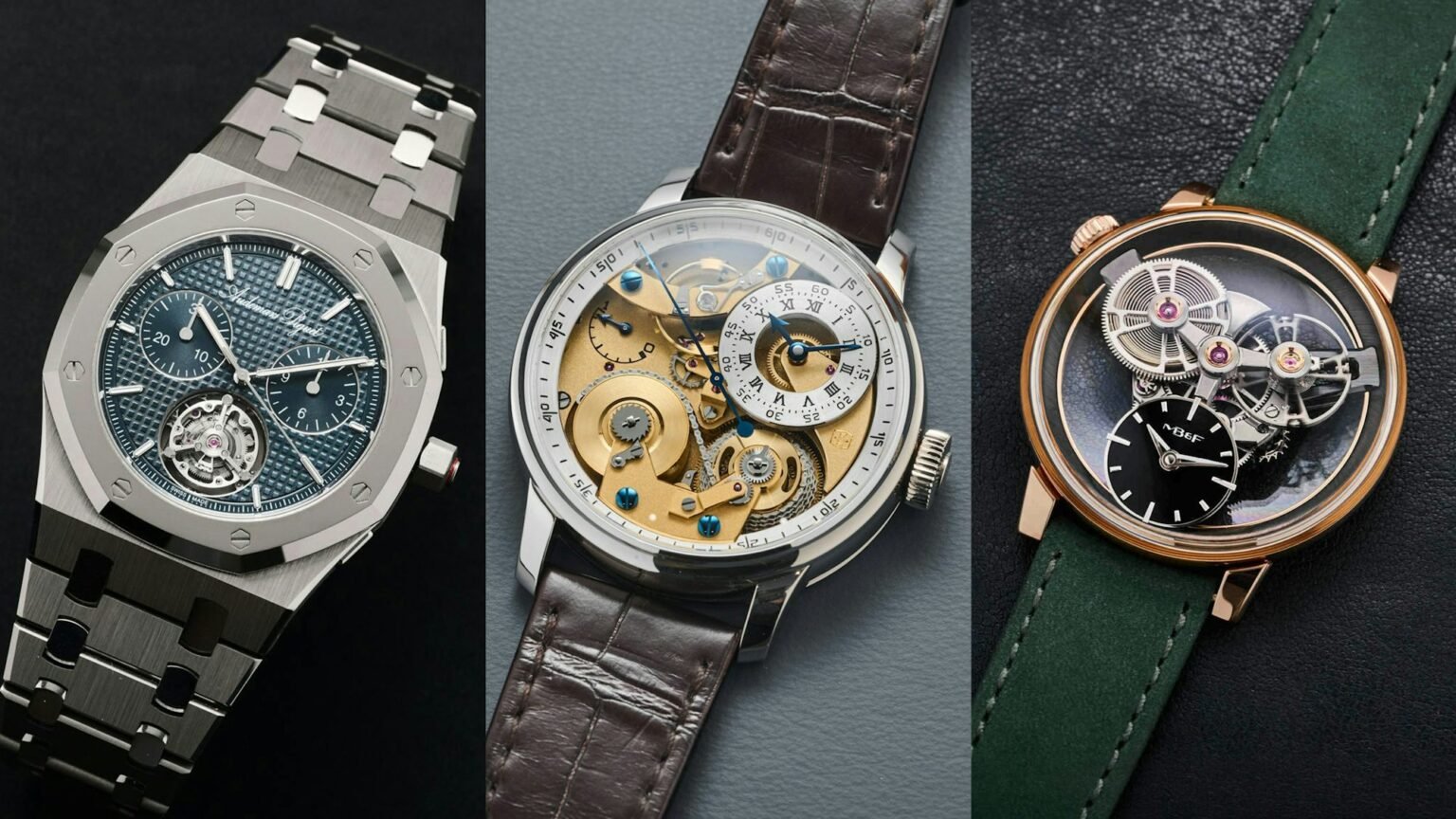


Last week, the Grand Prix d’Horlogerie de Genève (GPHG) announced the finalists for the 2026 edition of watchmaking’s premier awards ceremony, which will be held in Geneva on November 7. Being a finalist has the potential to be a big deal for any participating brand, but it can be a watershed moment for small first-timers (of which there are a couple this year). It’s also a list I’ve been waiting for with some anxiety.
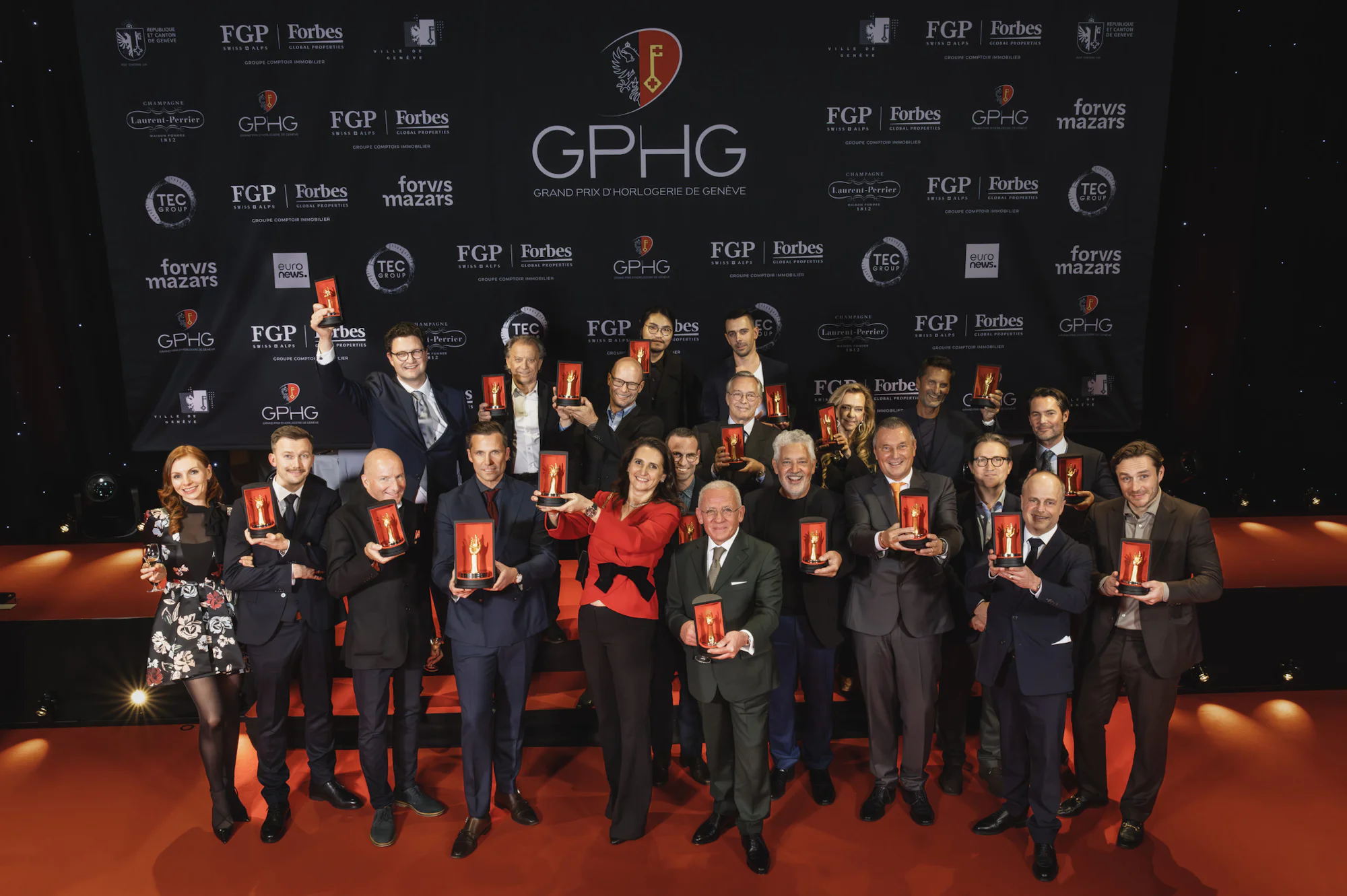
The winners of the 2025 Grand Prix d’Horlogerie de Genève. Photo courtesy GPHG.
This year, I’m lucky to be on the jury with 23 other journalists, collectors, and watchmaking industry members, including the jury’s first-time president, Wei Koh. Among them are many talented friends and people whom I’ve gotten to know over my years in the industry, including Michael Tay (Group Managing Director of The Hour Glass in Singapore), Hind Abdul Hamied Seddiqi (CEO of Dubai Watch Week), the talented watchmaker Rémy Cools and incredible automaton maker François Junod, my friend Justin Hast, artist Wes Lang, and a few others.
Without going on too long or being too saccharine about the whole thing, it really is quite cool to be on the jury with such smart and talented members. Nothing is without flaws, and like I’ll get to in a moment, there are a lot of brands not competing that I would love to see in the mix. But one of the things that I think about a lot (and which goes unmentioned far too often) is the number of people putting their heart, soul, and tremendous amount of time into making the things we care about. The GPHG is a great organization for acknowledging hard work and often elevating underappreciated, overlooked, or new watchmakers and brands in ways that could make a huge difference for their careers. I have followed (and covered) the GPHG for a long time. I’ve been happy to see friends win and pretty devastated to see others lose (who I thought deserved the accolades). It means a lot to have a voice on the jury this year because it means so much to others to be part of the competition.

The 2025 Aiguille d’Or winning Breguet Souscription. Photo by Masaharu Wada.
As the winners of the Aiguille d’Or last year, Breguet’s CEO Gregory Kissling is also sitting on the jury (which also means Breguet cannot compete this year). You can find the full list here; you’ll see it encompasses some incredible technical minds, smart business owners who know what it takes to get watches made and on wrists, and discerning collectors (and some who are all three). All in all, this is a very bright group (myself maybe the exception).
Some Changes to the GPHG, Plus How It Works (Broadly Speaking)
Wei Koh, founder of Revolution and The Rake, is taking over for author and journalist Nicolas Foulkes, who headed the jury for several years before retiring after the last ceremony. This change of the guard also brought a few changes to the GPHG as a whole. For instance, this year the awards ceremony will be held in English, in an effort to reach a more global audience. As Ben said, when he rejoined the jury in 2023, a lot had shifted since he first served in 2013. I’d argue we’re in another boom, and doing the ceremony in English is a smart move.
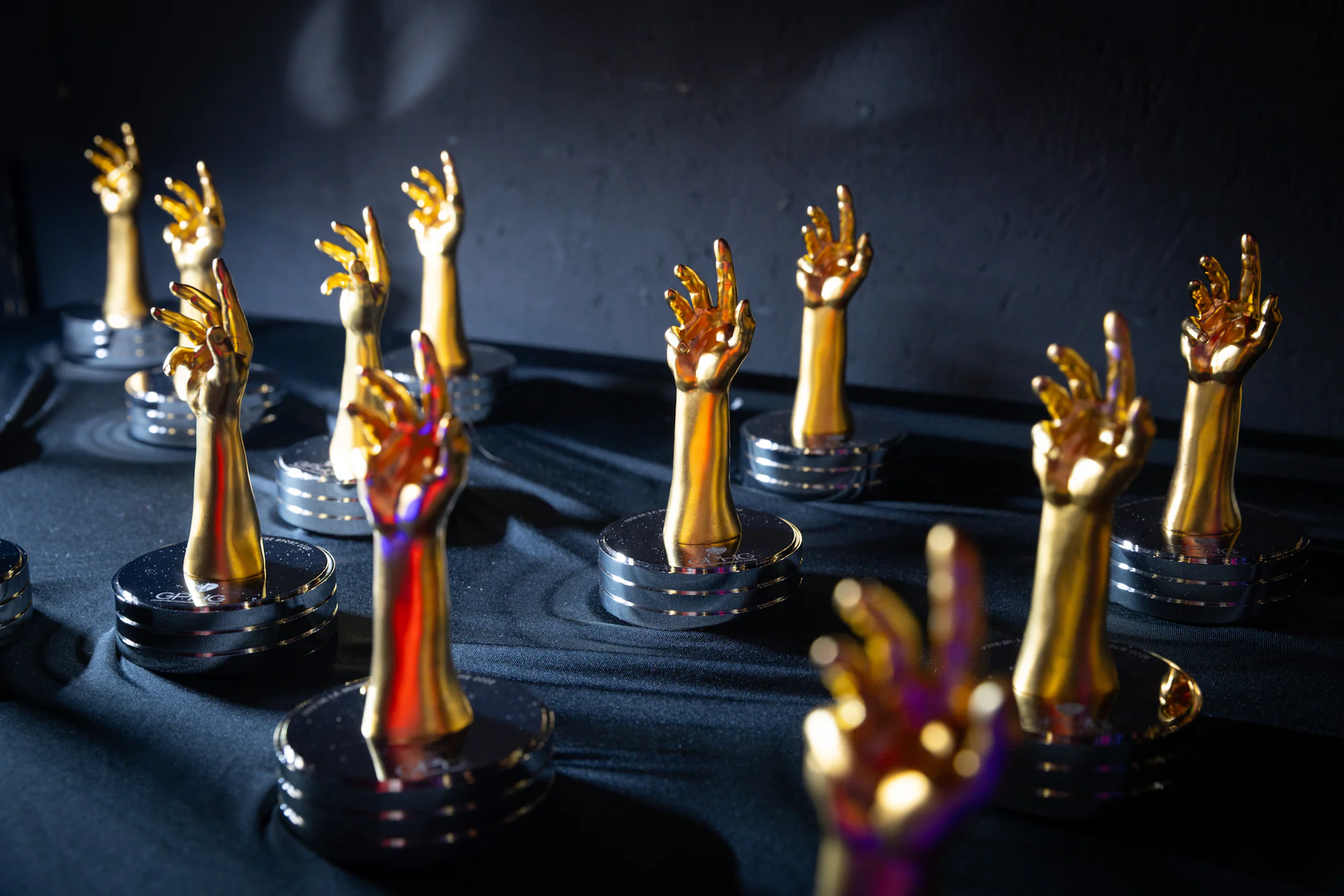
Photo courtesy GPHG.
There are also changes to several categories (outlined here), including removing gendered terms and replacing them with categories such as “Essential” and “Complication.” The “Iconic” prize is now open to any brand, including those that didn’t submit, as well as a new take on the “Special Jury Prize” that can be given to any person, institution, or now a brand (even those not competing) “for a significant watchmaking development or an exemplary approach to ethics and sustainability.” Only two categories, Jewellery Watch and Mechanical Clock, will allow for unique timepieces from this point on.
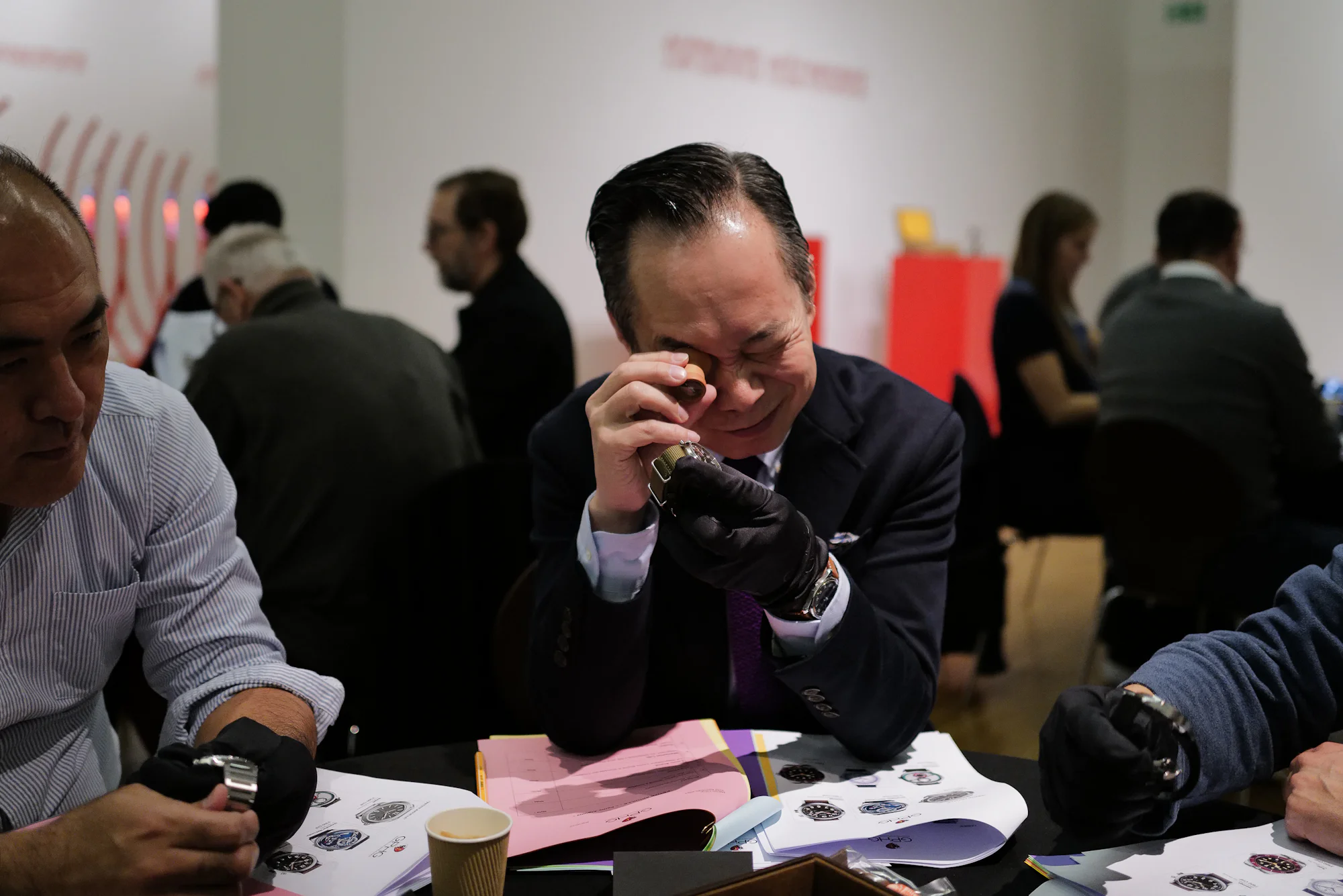
Mr. Naoya Hida inspects a Habring Monopusher at the 2023 GPHG. Photo by Ben Clymer.
Yes, some notable brands are missing. That’s not new, even if it is unfortunate. Rolex doesn’t take part in GPHG. Patek Philippe hasn’t for years. Tudor last competed in 2024. F.P. Journe won the top prize three times (plus four other trophies) before stopping its entries in 2010. Swatch Group, including Omega, often doesn’t compete, but Breguet won the whole shebang last year. This year, Blancpain is taking part (and Longines entered but didn’t make the finals). Much of Richemont isn’t involved, which is really disappointing because JLC’s Master Control Chronometre series was quite good (among a bunch of Vacheron releases).

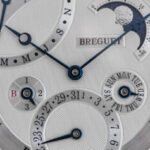
The Breguet Experimentale 1 would have been tough competition in “Mechanical Exception” or “Tourbillon,” but it can’t enter this year since the brand won last year.
I wish more brands would take part, but there are a variety of reasons they don’t—another topic for another time. If you love watches, you’d love to see your favorites in the mix, but they aren’t always there. Maybe in the future. My understanding is that Koh, as well as Raymond Loretan and Carine Maillard, the President and Director of the GPHG Foundation, are doing a lot behind the scenes to make the awards more inclusive. The change to an English-speaking awards ceremony could do a lot to push brands to understand that this is a show with a global reach and is a new way to market the achievements of the year. The winning watches go on a world tour as well, and I saw last year at Dubai Watch Week how people visiting the exhibition really responded to the watches being on show. Anyway, this is a digression, so for now, let’s focus on the ones who have elected to take part.

Mr. Vianney Halter inspecting Ben’s watch in 2023. Photo by Ben Clymer.
Earlier this year, members of the 1,000+ person Academy submitted nominations for watches to be considered. Brands could also submit their own name. From there, brands could choose to participate or not, and pay an entry fee of CHF 800 (which, alongside CHF 7,000 for each finalist, GPHG says is funding as it “relates to the organization of the competition and the exhibitions, as well as to the communication and marketing services devoted to the nominated timepieces”). From July to August, the same Academy voted on the competing timepieces to select the top six finalists in the 14 categories we’re looking at today.
On November 1, the entire jury will meet in Geneva to go hands-on with all of the timepieces, debate, share knowledge, and vote for the winners. Ben covered some of his time on the 2023 jury here. Anyone who was involved in the development of the watches will, of course, recuse themselves from voting in that category. The jury’s vote will count for two-thirds of the total, while ranked choices from Academy members will count for the remaining third. On that day, the jury will also be able to choose for Audacity, Horological Revelation, Chronometry, Iconic, and Special Jury prizes, as well as the Aiguille d’Or for the best watch of the year. The winners will be announced at the awards ceremony on November 7 at Bâtiment des Forces Motrices in Geneva.
My comments are just my general observations at first glance. Due to health issues that have kept me from traveling for most of the year, I haven’t handled most of these watches, so I’m keeping an open mind. We’ve also been instructed to spend as much time as we can studying the watches from top to bottom—specs, pricing, technicalities—and share questions with each other so we can come prepared. A lot of these topics are already being discussed, but we are bound to keep those discussions confidential. Without further ado, let’s look at the finalists of the 14 categories (all of which are here).
Time Only
As defined by the GPHG, this category is for “watches displaying only analog time indications (hours, minutes, seconds) by means of two or three hands on a solid dial, devoid of any other type of indication, complications, or gemsetting.”

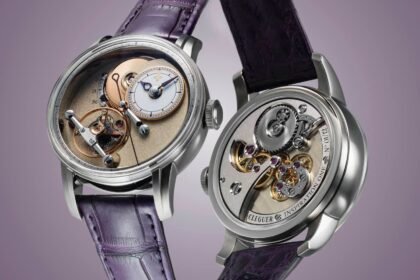
There are some great watches to choose from. The description doesn’t say these need to be dress watches, but they do trend in that direction. Process of elimination, I guess, because there’s a “Sports” category. I’m interested to hear everyone’s take on the Bulgari Octo Finissimo 37 and the Naoya Hida Type8A, both of which I’ve seen in the metal. These are actually novel watches for the respective brands, with new cases and movements, whereas the other four are interpretations of the dial and case material. That doesn’t make them less attractive, but novelty is important (in my opinion) when you’re picking a watch for the year.
Many great pieces in this category didn’t make the cut. My thanks go to fellow jury member Tim Lake at Velociphile, who had indexed the full list for each category. Audemars Piguet’s Établisseurs Galets, for instance, may have found more success in a category like “Artistic Crafts,” but they already had an entry in that category and can’t double up. The Louis Vuitton Monterey is another notable watch left off the list of finalists. But it goes to show the strength of the category, and it’s not the only one where great watches were left out.
Essential
If you were looking at some of the watches in this category, you could see where there’s a bit of overlap with the previous. The former must tell time with hands and show no more than hours, minutes, and seconds. Essential watches, defined by the GPHG, are “displaying one or several of the following indications: hours, minutes, seconds, date (day of the month), power-reserve indicator, classic moon phases, day/night indicator. They may feature a digital or retrograde display, and they may not fall within the respective definitions of the Time Only, Complication, and Gemset categories.”

This is a strong category, with a few different interpretations, but the finalists don’t venture very far into things like moon phase or date displays, which is a shame. I would have liked to have seen Qian Guobaio’s or Gregory Proz’s watches in the mix, but the quality and unique nature of a lot of watches get overlooked when you have 1,000 Academy members who might not have the time to study each of the 300+ entries. Instead, the recognizable brands are likely to get a lot of extra votes. That said, none of these watches are undeserving.


The MB&F SP One, from our Hands-On last year.

From our Hands-On with the Daniel Roth.
The Audemars Piguet release was a big splash, even though it got some contentious response due to being larger than some hoped. The MB&F, meanwhile, is notable as the first watch in a new collection from the brand in quite some time and is very impressive in its austerity. The craftsmanship on the Daniel Roth is incredibly attractive. And despite my dismay about the lack of certain independents, and while I haven’t seen his watch in person yet, I would say that Stéphane Pierre’s inaugural watch, with a bi-retrograde display, has a good chance of taking home the prize, but it will also likely be discussed for the Horological Revelation Prize.
Complication
Here’s a curious group and a new category. Brands have the right to put watches in the category that they think fits best, and sometimes do so as a hedge or because they could go in a few groupings. The category is defined as “watches distinguished by their creativity and mechanical complexity, featuring all kinds of complications and classic and/or innovative indications (e.g., world time, dual time, etc.) and not falling within the definition of the Essential and Mechanical Exception categories.”

Some people online have already made the point that Cleuger (another potential for Horological Revelation) and Czapek fall under the “Mechanical Exception” category because their displays or escapements are the focus. I would tend to agree. I’ve seen the same same said for Renaud, but his watch has a Dynamograph, which is a separate complication. You could make the same argument for the display of the UR-Freak, though the combination of display with Urwerk’s winding system is certainly complex, if not a complication by normal definition.
With categories for tourbillons, chronographs, and calendars, it’s hard to find another pure complication that fits. A dual-time watch like the IWC Vertical Drive Venturer or Vacheron Constantin’s Overseas Cardinal Points would have qualified, but some similar entries were left on the cutting room floor, so this is what the Academy liked. Either way, I love that people are thinking about these topics and debating—it shows how smart the watch space is. Vianney Halter’s watch with Behrens is maybe the purest definition of the category—with a date, moon phases, a power reserve indicator, and a day/night indicator—so it might have the edge by definition alone, but I look forward to debating this philosophically.
Mechanical Exception
This is arguably one of the two most stacked categories this year: the “Mechanical Exception” group. A single grande et petite sonnerie released in a year would otherwise run away with the show. This year, there are two: Blancpain’s Grand Double Sonnerie and the Chopard L.U.C. Grand Strike. I’d put those two as the favorites, but that is unfair to every other watch.

The Ferdinand Berthoud Naissance d’une Montre 3 is exceptional simply because it is, top to bottom, fully handmade and still features a fusée-and-chain mechanism. I’d argue that it was potentially one of the top three watches I saw in 2025 when it comes to what I love in watchmaking. But that’s not what I consider my role to be; instead, I’ve got to look at what I think is the best, without my tastes getting in the way. Konstantin Chaykin made the thinnest mechanical watch in the world, which is exceptional, as is the complexity of the Moser. But Christiaan van der Klaauw’s work deserves its own story, as his watch is “the first and only mechanical wristwatch capable of displaying the real-time orbits of all eight planets in our Solar System.” How cool is that? I’ve still never seen one in person, but it’s also a watch that has been out for two years in various forms.

The Ferdinand Berthoud Naissance d’une Montre 3, from our Hands-On last year.
The definition of the category is for “watches featuring a special mechanism, such as an innovative or sophisticated display, an automaton, a striking or any other acoustic function, a special escapement, a belt-driven movement, or comprising another original and/or exceptional horological concept.” You can see how I might think a few other watches should have been in this category instead. In fact, Cleuger’s was originally in this category but was moved into “Complication.” Other notable watches that didn’t make the finals include David Candaux’s DC12 Maverik and Mineroci’s RD002, which were focused on escapements but probably got overshadowed by other complications. Maybe next year we need an “Escapement” category.
Gemset
This is a new category, largely (I’d imagine) to give space for what used to be “Ladies” watches that are not full-bore jewelry pieces. The category is for “watches set with a total of up to six carats of gemstones. They may provide only the following time indications – hours, minutes, seconds, date (day of the month), power-reserve indicator, classic moon phases – and they may feature a digital or retrograde display.”

Gem-setting is something I actually am very interested in. This year, the jury includes Pierre Salanitro, CEO of the massively famous gem-setting house Salanitro, and I’m hoping we can sit down and look at these together. I want to learn more about what makes good work versus the mediocre or terrible stuff you get on 47th Street. Despite the bling, these are more reserved than the bigger jewelry category, but I don’t want to even begin to consider these until I can see them in person under a loupe. For me, it’s all about how they come together as a watch, and whether they’re overbearingly ostentatious or cohesive. That is, of course, on top of the quality of work.
Tourbillon
Another very solid category, this one seems self-explanatory enough that I’ll spare you the official rules description. While not all of these tourbillons feel like watches I’d wear consistently, they all have plenty going for them and cover the range from dressy to sporty, with some quite experimental designs mixed in. I was lucky to get to cover the launch of Sylvain Pinaud’s 30s tourbillon, but TanTan knocked it out of the park with his hands-on, so read that instead. I’ve handled exactly zero of these watches this year, so this is one I’m going to do a lot of research on before the vote. I’m very curious to see both David Candaux’s and Ferdinand Berthoud’s entries, which I’d been hoping to review myself. The Berthoud brings a lot to the table for someone like me who appreciates historical watchmaking

Chronograph
I called it earlier this year when the entries were announced, but we’ve got a brawl in the chronograph category. It’s another self-explanatory category, but with some really cool interpretations. I’ve got a hands-on with the Parmigiani Fleurier waiting in the wings for the coming weeks, but the idea of a central counter of both hours and minutes is quite cool. TAG Heuer created an interesting new design that gets rid of hammers and levers for a bi-stable nickel-phosphorus part, which I went into in depth here. But I spoke with a number of the most prominent minds in chronograph design, and by far, the standouts are the entries from AP and Rexhep Rexhepi.

I keep promising a forthcoming technical look at Rexhep’s watch, but I still haven’t seen it in person (see: aforementioned health problems and travel). There’s a lot going on under the hood, plus some interesting historical comparisons. Tony de Haas at Lange said that he did the watch “the right way,” and the difficult one—combining a flyback and instantaneous minute counter is no joke. But Audemars Piguet’s RD#5 might be the most impressive and inventive chronograph in a long time (again, according to the experts I’ve spoken with), which is a claim that’s hard to beat. I spent inordinate hours working on this technical study of the watch, so please take a look. That said, I think there’s a world in which the RD#5 takes Aiguille d’Or, which would then open up Rexhep or another watch to win the category.
Calendar and Astronomy
Another self-explanatory category with a lot of variety; I think that there’s a lot to dig into here. I was lucky to spend some time with Giulio Papi of Audemars Piguet, as he explained to me how he put together the 150 Heritage pocket watch and how it differs from the AP RD#4, which shares a similar movement architecture (though it needed changes to turn into a pocket watch) and won the GPHG 2023 Aiguille d’Or. And yet, there’s some other good competition.

There has been a lot of talk about Berneron recently, and the watch is certainly very impressive, but I haven’t seen a working prototype in the metal yet (though it was completed early this year), so I’ll be looking at this closely. I also just have no frame of reference for the Bovet, so there’s some homework for me. The Christiaan van der Klaauw provides good value for the technicality, while the Krayon Anyday (which we got to introduce as a new model early last year) and Parmigiani are very nice watches but new dial or case material treatments of existing (though still relatively new) models. Also, the fact that IWC’s ProSet perpetual calendar isn’t in the mix here is a huge surprise.
Sports
This seems to be a much wider range of prices than last year. That’s because the “Sports” category can encompass a lot, with the definition being “watches linked to the world of sport, whose functions, materials, and design are suited to physical exercise.” After back surgery, physical exercise isn’t something I know a whole heck of a lot about, so I’ll have to tap Wei Koh or Justin Hast for that.
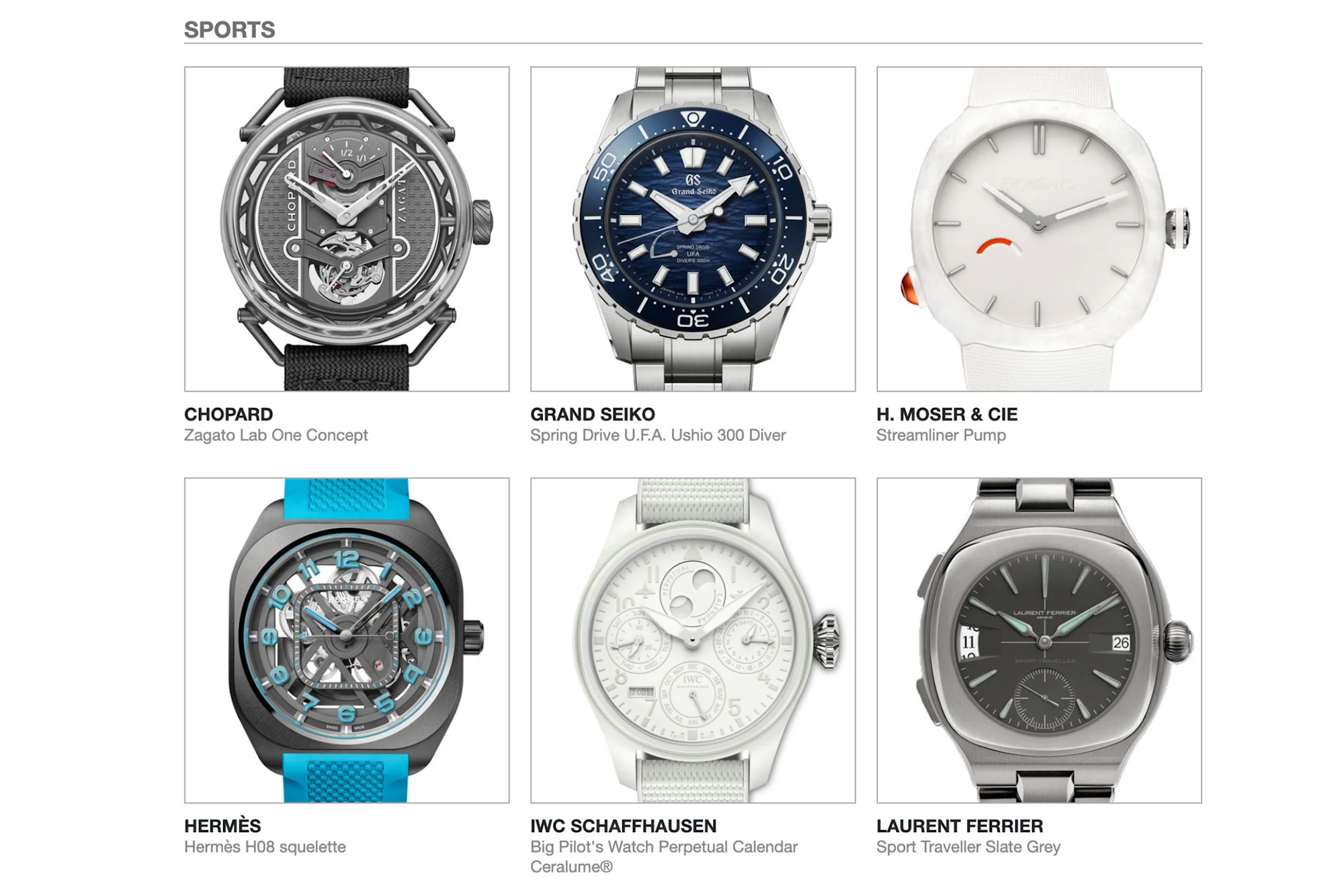
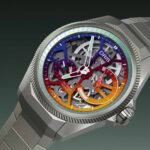
I was surprised not to see the Longines Hydroconquest make the cut, given how much our audience loved them. The inclusion of a skeletonized watch from Hermès also somewhat surprised me, but it looks quite cool. The Grand Seiko Spring Drive UFA, Moser, and IWC are all strong watches in their own right (if the IWC had the ProSet movement, it would have been near perfect), and the fact that Grand Seiko’s original UFA entry had to go up against the very technical Urban Jurgensen probably kept it from an award it otherwise deserved. I think it should have been up for the Chronometry prize that year, but maybe it could take it this year. Time will tell!
Jewellery
If you wanted gem-setting but more maximalist, then here’s your category. While the previous category was limited in the amount of gems used, this one allows everything and the kitchen sink. It’s also a category that I know very little about, so I’ll leave you with these pictures. All I should say is that I’ve heard from a number of GIA gemologists that Jacob & Co. has some of the best gem-setting (from a technical standpoint) of all brands, so I’m bringing my loupe for this for sure.

Artistic Crafts
While gem-setting and jewelry are artistic crafts, this category is for “watches demonstrating exceptional mastery of one or several artistic techniques such as enameling, lacquering, engraving, guilloché (engine-turning), marquetry, skeleton-working, etc.” And guess what? We don’t have Kari Voutilainen competing this year (where he has previously won twice in this category and four times in Men’s watches). That opens the door to some other interesting watches.

That means that Vasu Kulkarni, aka @nycwatchguy, is now in the top six with his Andersen Genève watch made for him and his friends for his… what was it, 80th, no, 30th, no, maybe 40th birthday? Audemars Piguet’s Établisseurs Nomade pocket watch-meets-clock is in the mix as well. I am always impressed with Louis Vuitton’s pieces, though their best stuff (cough, pocket watches, cough) is unique and not eligible for this category. I wouldn’t count out any of the watches. But I want to see the Bulgari (I love an enameled Serpenti) and the L.Leroy in person in particular.
“Petite Aiguille”
This category, and the following, are likely our audience’s two favorites. This one is for “watches with a retail price between CHF 4,500 and CHF 10,000.” In it, you’ve got Ming and Josh Shapiro making wild dials and then putting them on the 3D titanium polymesh bracelet, which might spark arguments about whether a bracelet alone can win a GPHG award. The Frederique Constant is certainly an improvement over the past versions, as is the TAG Heuer. Otsuka Lotec is a collectors’ darling and won this category with a different watch just two years ago. Add in a collaboration between Raúl Pagès and Massena LAB, plus a very classically styled (MB&F-reminiscent) Christopher Ward, and it’s a very strong category.

I’m not disagreeing with any of these choices, for what it’s worth, but this is one category where there are a number of great entrants that deserve some more shine. The Atelier Wen Ancestra Jiao looked really nice in person and felt like solid value. The Celadon cloissoné watches done with Revolution, for the price, were also incredibly attractive. Toledano & Chan’s upcoming B/1.3D is a true dazzle camo watch that I don’t think people fully appreciated either, but it’s also not out for a little while, so it’ll get some more attention here eventually.
Challenge
This category, and the last, probably were so attractive to those in our American audience back when the U.S. Dollar and the Swiss Franc were closer to parity in recent years. Now, any watch under CHF 4,500 (the price limit for this category) isn’t as much of a bargain as it used to be. I wonder what happened geopolitically that got us here? Well, no matter. These are still good watches, even if we don’t get as good a deal.
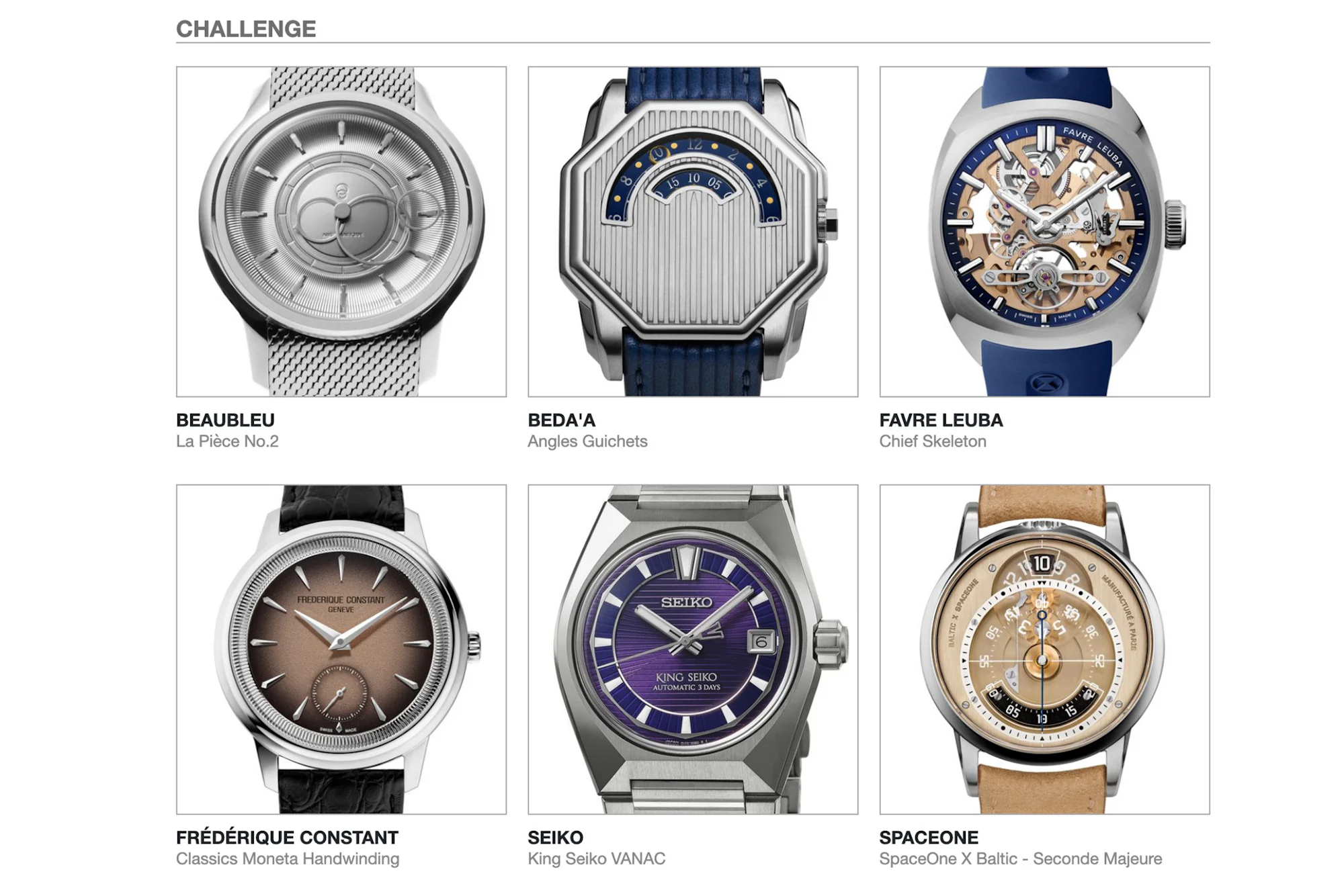
I have seen a grand total of one of these watches, the Baltic x SpaceOne “Seconde Majure”, which I reviewed earlier this year. It’s a really cool watch, though I’m surprised they submitted the version without the charbonnage finishing. This version is probably the one that sold the best or is easiest to understand. I kind of regret not buying one of these, but you can’t own everything. The rest I’ve never seen in person, and I’m really looking forward to it. Value is the name of the game in this category, so I think the best value gets my vote. There were a number of other interesting watches that didn’t make the cut (many probably because of a lack of name recognition), but one that stood out is the DWC Terra, which is the cheapest watch submitted to the GPHG at $47, but maybe one of the most inventive and value-oriented designs I’ve seen in years.
Mechanical Clock
If you’ve made it this far, congratulations. Take a deep breath; we’re at the last category, and one of my favorites. “This isn’t a watch, it’s a clock,” read one of my favorite/least favorite comments on the site in recent years. Define a watch for me, concisely, without quoting United States Supreme Court Justice Potter Stewart (a reference I haven’t used in a while). And yet, here we are, with “mechanical instruments whose main function is time measurement, such as longcase clocks and table clocks. Wristwatches are not allowed in this category.”

I think if this were an award for practicality and legibility, Carl Suchy & Söhne would win, but clocks have long since stopped being about what is most practical. The Louis Vuitton x De Bethune collaboration is an interesting clock in this category because one of the most fascinating parts about it is that it’s also a sympathique clock with a watch. The watch, as noted in the entry, is only included to show the function of the two elements working in synchronization, so you have to put the watch out of your mind. I also had no idea that the clock was CHF 4,000,000+, which is astounding. The only shame in this category is that Vacheron didn’t enter La Quête du Temps this year. The rest of the clocks, I can’t wait to marvel at.
For more on the 2026 edition of the Grand Prix d’Horlogerie de Genève, visit its website.