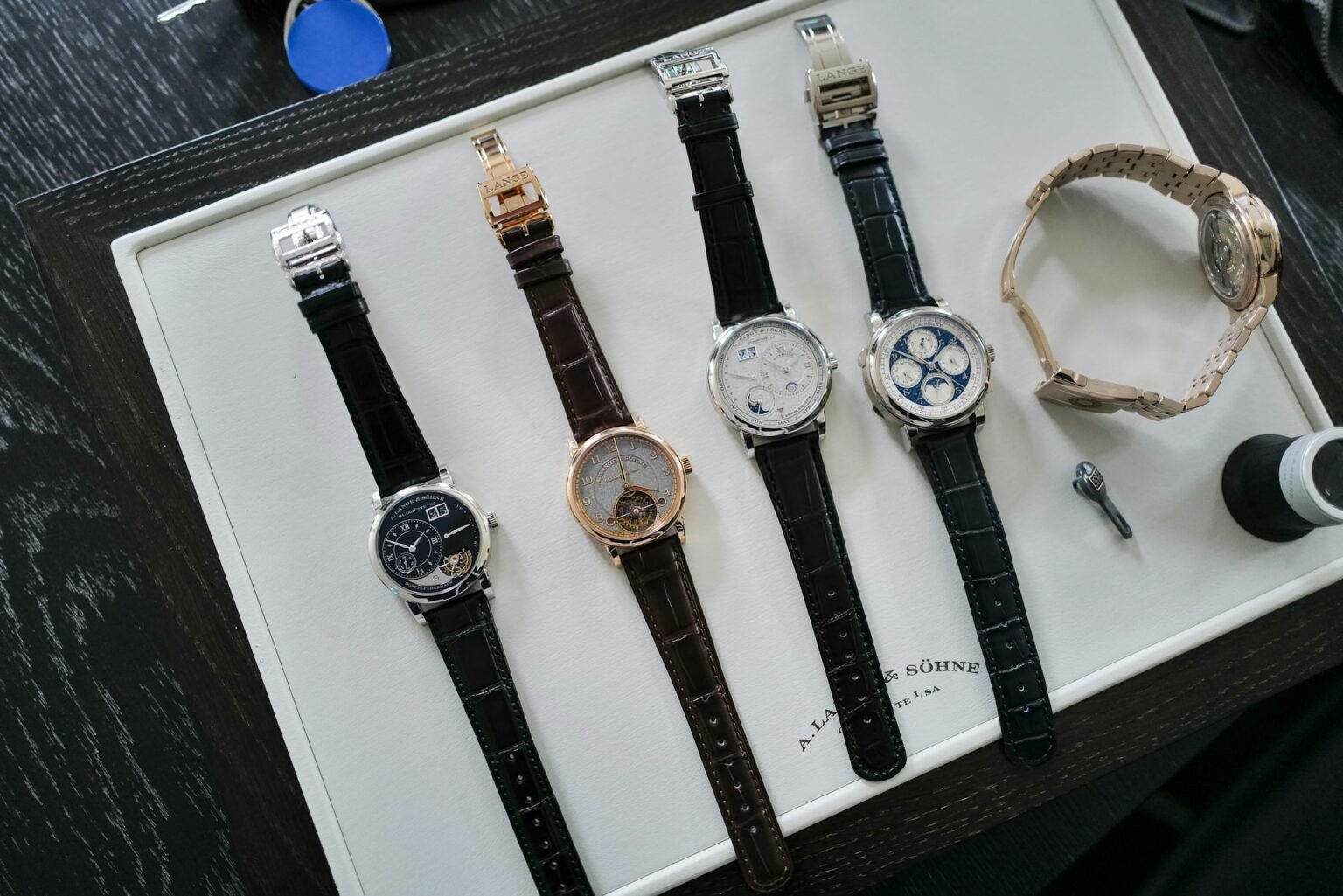

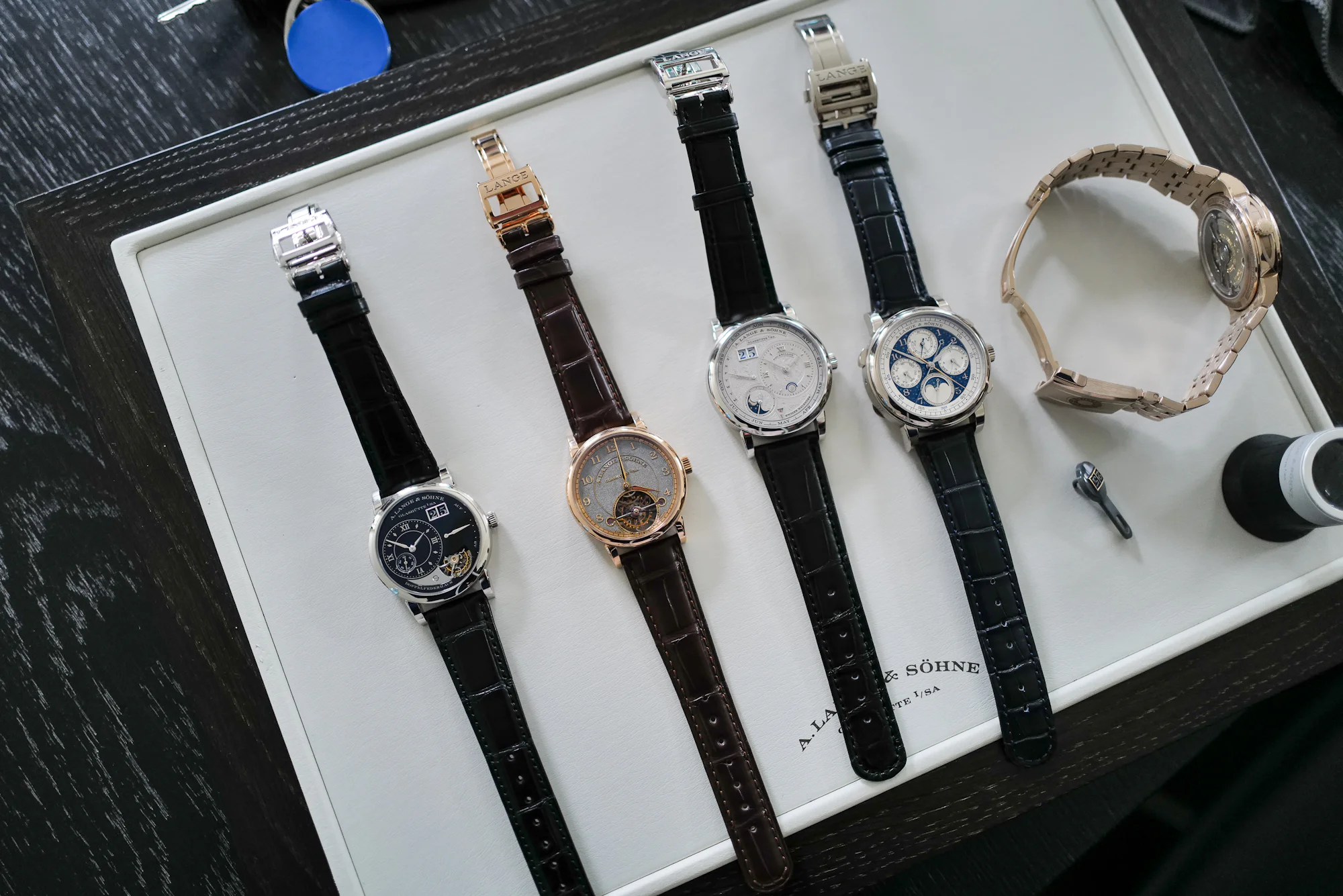
- FIVE THINGS HAPPENING IN TODAY’S WATCH MARKET THAT MAKE ZERO SENSE
- 1. Complicated (Vintage And New!) Patek Philippe Is Trading Below Where It Should Be Trading
- 2. The AP Royal Oak Mini In Frosted Gold Is Trading For More Than The Average A-Series Royal Oak 5402ST And Is More Requested At Retail Than The 16202ST Jumbo
- 3. Old, Mediocre Watches Trading For More Than New And Outstanding Watches (Of The Same Design / Name)
- 4. The Entire Secondary Market For F.P. Journe (In General)
- 5. The Prices People Are Charging (And Paying) For Bracelets – New, and Used
- BONUS: People Believing What They Want To Believe, In The Face Of The Facts
- FIVE THINGS HAPPENING IN TODAY’S WATCH MARKET THAT MAKE A TON OF SENSE
- 1. Early Lange Is On Fire, In A Healthy Way
- 2. Modern Vacheron Constantin Is On The Tip Of Everybody’s Proverbial Tongue
- 3. (Some) Independent Watchmakers Literally Can’t Keep Up, Not Just With Orders, But With Just Normal Correspondence
- 4. Retail Prices Are Too High Across The Board, But Good Products At Fair Prices Do Exist Here And There, And Occasionally, You Can Buy Them
- 5. There Is Still Stuff To Discover In Watches, And That Is Thrilling
- BONUS: Incredibly Famous People Wearing Incredibly Good Watches, At A Whole New Level
- Your Feedback Is Needed For Future Clymer Time Writings
Some version of this story has been in the back of my mind for months, maybe years. Because I see, hear, and experience so many wild things in my watch life that it’s hard to really understand, I thought the best thing I could do was share them with you. Some of the below are simple opinions; others are hard and true facts. I think I have a unique position in the watch space as the president of a large media outlet (so I see traffic information and click tendencies), I’m a long time consumer of all kinds of watches (vintage, new, independent, big and small), something of a pundit on the industry for large media outlets, a participant in basically all the organizations that focus on the watch industry, and of course, an officer at one of the largest modern watch retailers in the world.
Beyond that, the amount of DMs I get from total strangers asking me watch questions is simply b-a-n-a-n-a-s (should that be a series unto itself?). So I thought I’d take some of what’s been on my mind from all of the above sources and put it on paper to be read, debated, and (dis)agreed with. So, here are five things that are happening in the watch world that make zero sense, and five more that make a ton of sense.
FIVE THINGS HAPPENING IN TODAY’S WATCH MARKET THAT MAKE ZERO SENSE
1. Complicated (Vintage And New!) Patek Philippe Is Trading Below Where It Should Be Trading
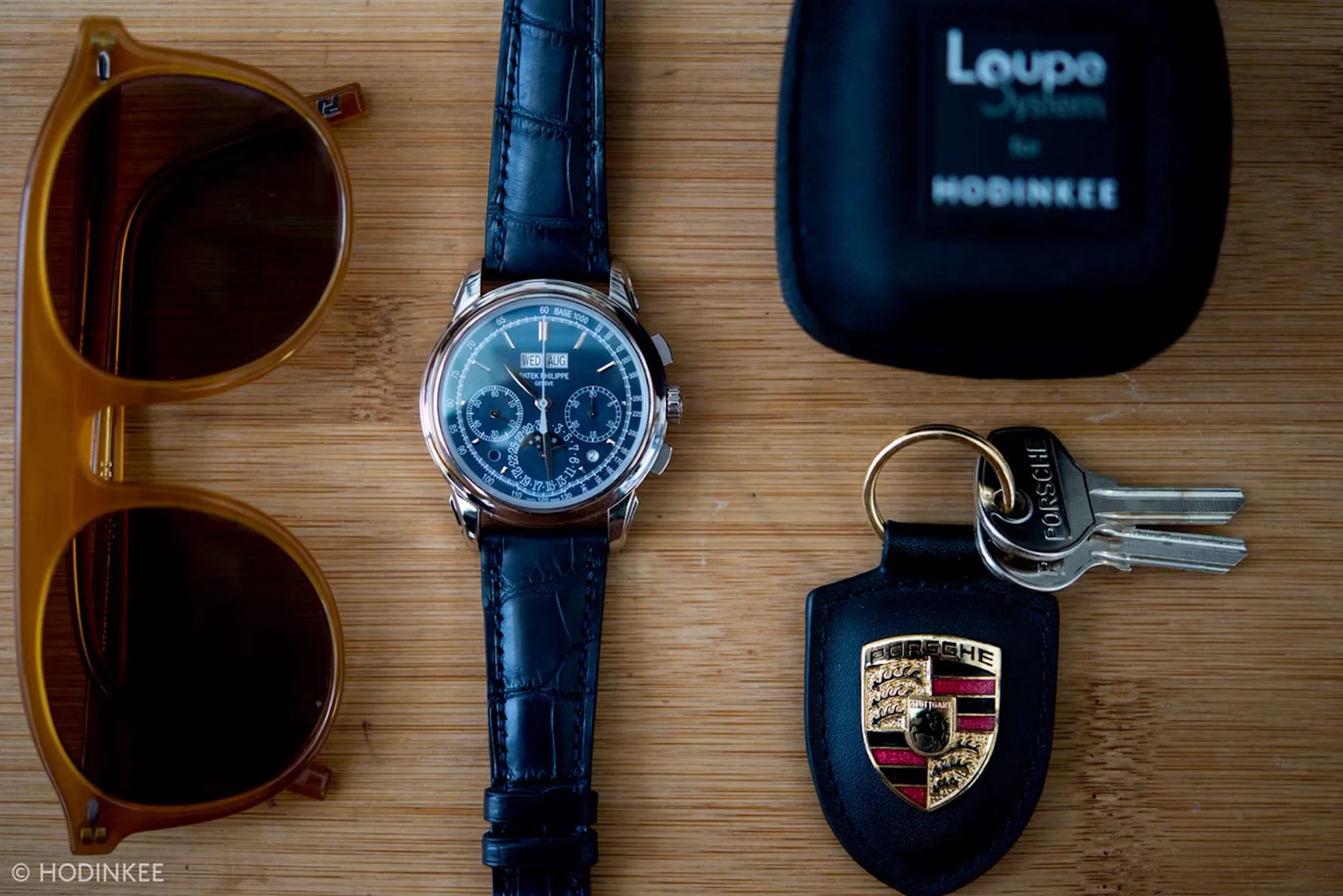
The 5270G is a fantastic watch, and even at retail, represents very solid value compared to what else is happening out there.
This isn’t new, but there is absolutely massive value in complicated Patek Philippe right now. Let’s pull out early 3970s and 5004s because both have caught fire over the last twelve months, along with 2499s, which always bring the heat. Everything else? Cheap. Let’s begin with the old. You can buy a 1463 Chronograph, a 3448 perpetual calendar, or a Ten Day Tourbillon easily for less than a second-hand F.P. Journe CS (which we will get to). I’m not kidding. I’ll spare you why these three watches offer so, so much horological value (and are genuinely rare by the numbers to boot!) for another story, but trust me, these watches are simply fantastic. As for the Journe? I love it too! But at a quarter of its current price – or simply, at retail! Am I saying these are the three specific examples to buy? No, I’m not – they’re just three watches I found in a quick search that are currently available. And when buying proper vintage Patek, you want to pay attention to condition, but none of these look bad.
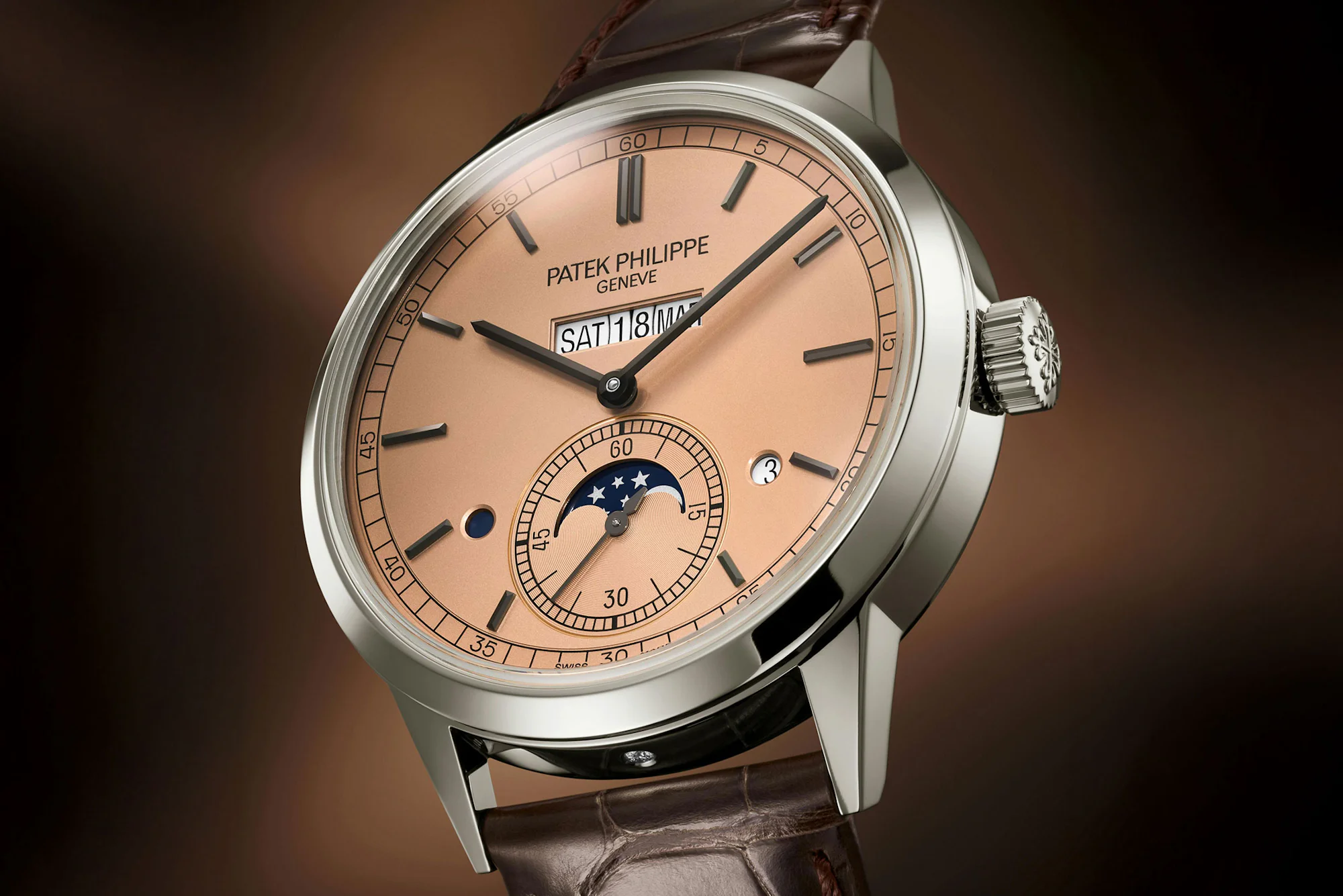
The Patek Phillippe 5236P.
Now let’s look at contemporary watches. For less than any of the watches mentioned above, and for half the price of that second-hand Journe, you can buy a genuinely incredible modern Patek Philippe in-line perpetual calendar in platinum. At retail. It comes with a salmon-and-blue dial, too. The 5236P is a watch I’ve wanted to buy so many times, and I think it really speaks to both the past and future of Patek. And it’s the only in-line perpetual on the market.
And how about a beautifully finished, completely in-house white gold Patek chronograph for less than the price of basically every time-only watch from your average new (and occasionally nameless) independent watchmaker today? Again, if the average new independent time-only is CHF 85,000, that converts to roughly $104,000 – or more than the $97,152 retail price of the Patek Philippe 5172. I hear so many people lusting after the RRCHF – as they should! – but for half the price, you can buy the Patek at retail. And compare that PP to a second-hand Journe chronograph of basically any variety, and it’s a true bargain. The same can be said for 5270s, 5204s, and all PP in-house perpetuals. With the exception of a few, most complicated watches in and out of production by Patek Philippe also offer tremendous value right now. Have a look, as it will not last forever.
2. The AP Royal Oak Mini In Frosted Gold Is Trading For More Than The Average A-Series Royal Oak 5402ST And Is More Requested At Retail Than The 16202ST Jumbo
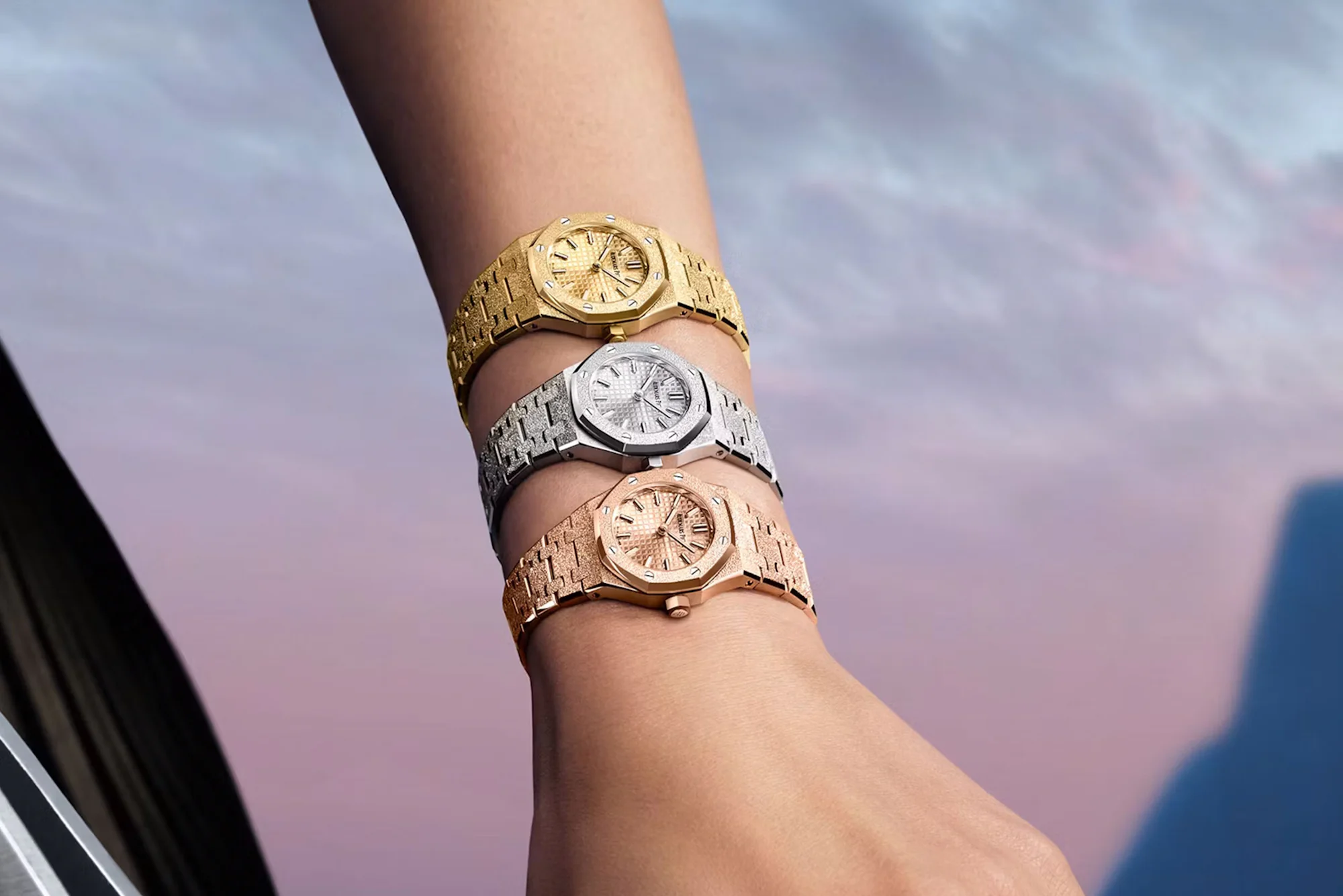
These 23mm gold quartz watches are, reportedly and unofficially, the most requested watches across AP boutiques worldwide.
The Royal Oak Mini is an exceptionally cool watch. My wife wears one and wears the sh*t out of it. But the second-hand price is around $100,000. For those paying attention, that’s more than what your average A-Series Royal Oak goes for these days. Why? Because I have it on good authority that the Mini is now the number one requested watch from AP boutiques – above even the ceramics, open-works, and the undisputed GOAT of AP watchmaking, the 16202ST (Jumbo). Is it because it’s less expensive at retail and more fun than the others? Maybe, but to know it’s more requested than a Steel Jumbo is simply mind-boggling. Then again, so much of the watch market today is.
3. Old, Mediocre Watches Trading For More Than New And Outstanding Watches (Of The Same Design / Name)
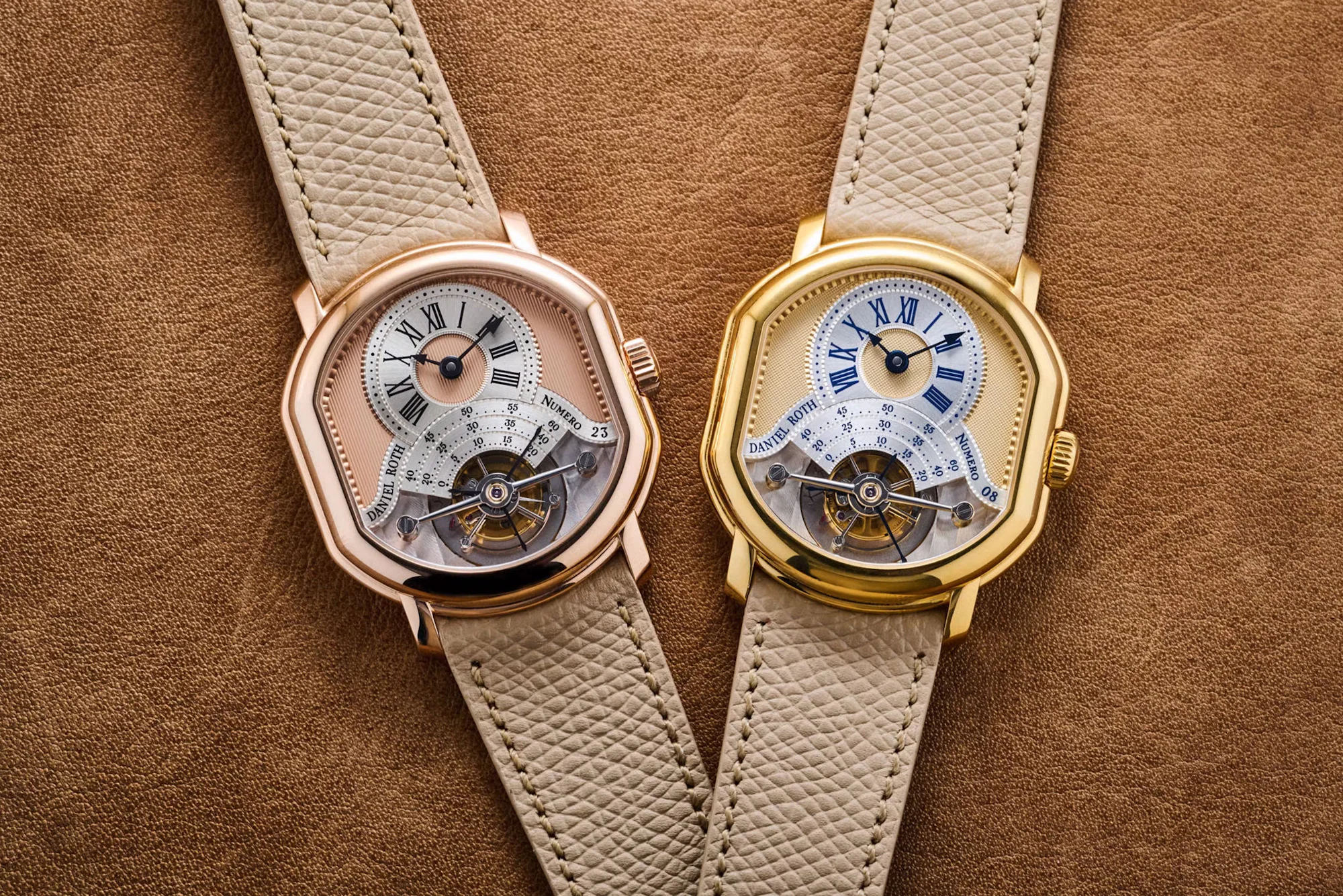
Compare every single aspect of today’s Daniel Roth Tourbillon to those from the 90s – and the result is not close.
There is a difference between paying for rarity and storytelling and paying for objective quality. There are so many examples of this – though, perhaps, the archetype is a vintage Rolex trading for more than a modern Rolex – though that is less and less the case these days. But what I’m saying today there is a certain kind of fetish over “neo-vintage” watches because the internet has suggested those watches had soul and today’s do not. There are countless examples here where brand new, true examples of fine finishing and in-house watchmaking trade on the market for less than (or equal to) their 1980s and 90s contemporaries – think Daniel Roth, Breguet, Blancpain, Vacheron, and AP. I can say, without a doubt, that the watches coming out of those four manufactures (and many others) are simply objectively superior today to what was being made back then, when basically everything was based on an ébauche. That’s not to say those early watches are charmless and unimportant – I just think it’s important that the quality of watchmaking is discussed as well as rarity, who touched the movements, or, in some instances, the cases!
4. The Entire Secondary Market For F.P. Journe (In General)
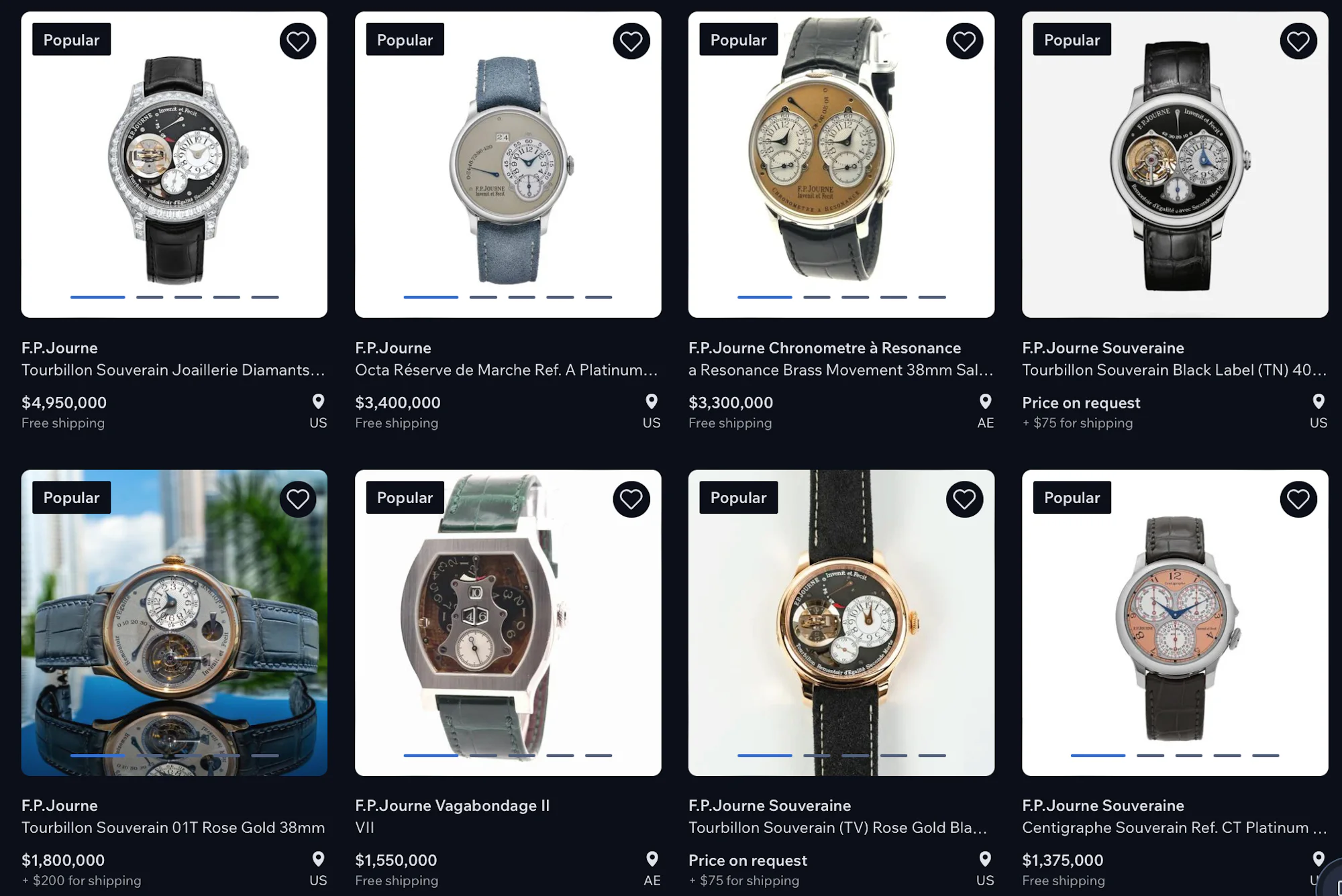
I love Journe, and have owned a bunch. But, come on now.
Here’s the thing: I love F.P. Journe watches. I’ve owned probably eight of them – and for years, and years, I was doing everything I could to tell people how great they were and how nutty it was that they were trading at such a discount. Here’s a story I wrote in November 2014 where I dropped ten watches that should be trading for more than they were. Number 7? The Tourbillon Souverain, which at the time was worth about $80,000. I took it a step further and dedicated actual ink in an actual newspaper called The Telegraph around the same time to extoll the virtues of early F.P. Journe. A year later, we produced an entire Reference Points feature (video and story) on the Journe Tourbillon.
I’ve Been Wrong About Many Things – But One Thing I Got Right Was FP Journe
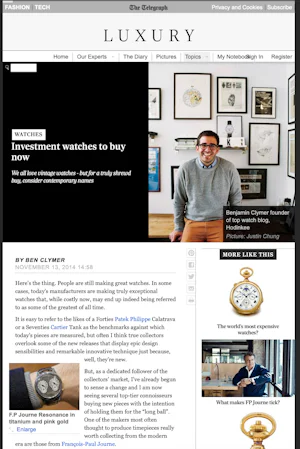
Read the story I wrote for the telegraph 12 years ago touting how early Journe watches were undervalued. My, how things have changed.
The thing is, Journe is absolutely the real deal and a truly generational talent, and I am so happy to see him (and the great team that works with him) getting their flowers with genuine interest at their global boutiques. As for what people are asking for, and getting on the secondary market? That’s an entirely different story. $3,300,000 for a brass movement resonance? Sure. I bought my first for $48K. $760k for a freaking Octa? These were in cases for $30k all day, every day. Even the watches that many really considered dogs when they were introduced (the Octa Chronograph, for example, due to its modular construction) now trade for truly shocking prices. Basically anything with the Journe name on it goes for mega bucks now – including the once #watchnerd favorite Chronometre Bleu, which used to be in boutiques available for anyone who could part with the $19,890 that it cost (less if you wired instead of using a credit card). It was considered the gateway into the brand. And now they sell for close to $200,000 on the secondary market.Wut?
It’s easy to write this off as an old man screaming at the clouds, and I’m sure some of that is valid, but the Journe market, in particular, has accelerated at such a pace that it really feels disconcerting as someone who has been in watches for a long time and plans to be in watches for even longer. Then again, maybe I’m just bitter to be the only guy who lost money on a steel Resonance, and a brass-movement tourbillon… and a Ruthenium tourbillon… and a platinum-brass-movement Resonance… 🙂
5. The Prices People Are Charging (And Paying) For Bracelets – New, and Used
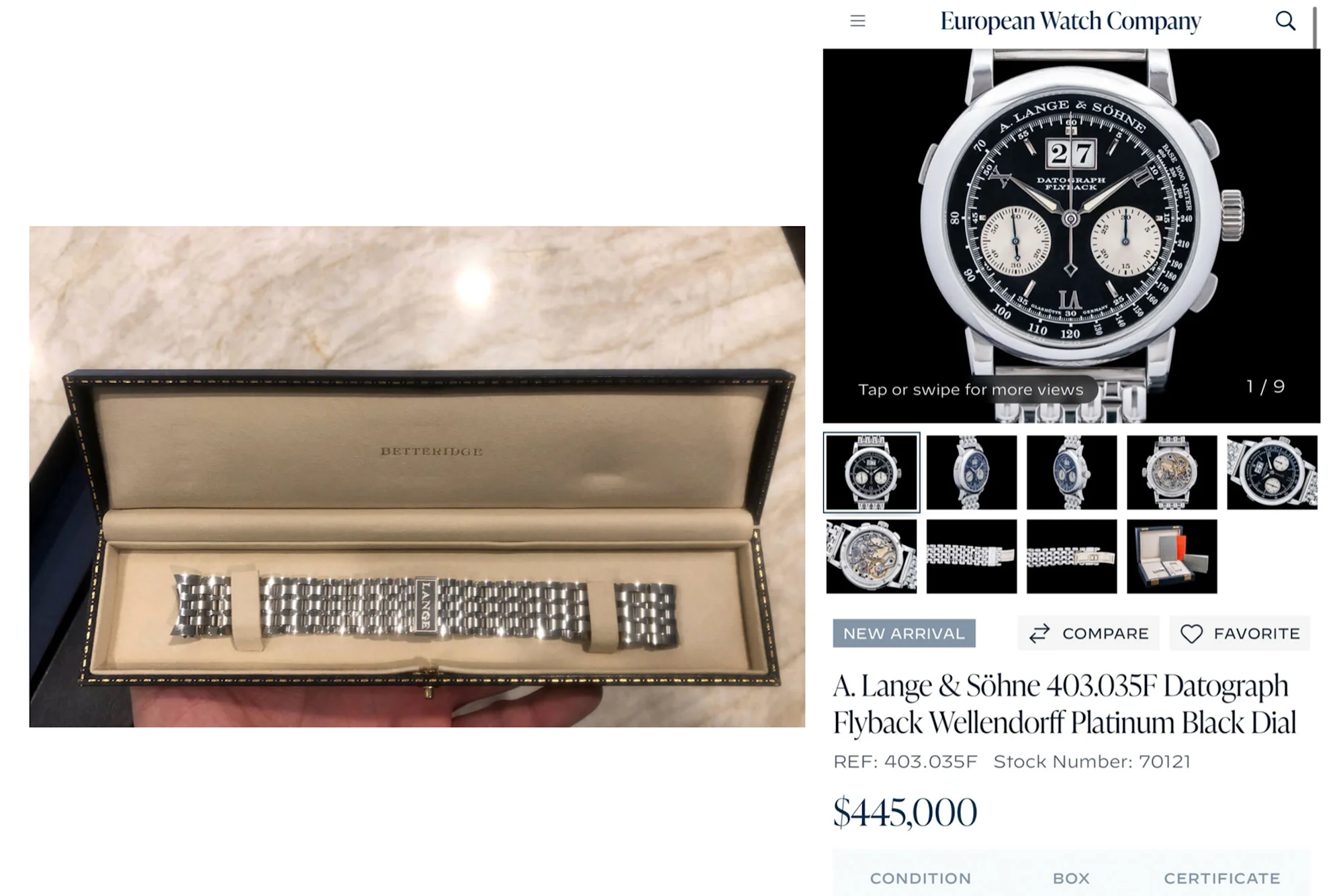
The bracelet on the left was bought second-hand by Talking Watches alum Christian Bangert. It’s now worth more than the watch he put it on. On the right, our friends at EWC have an absolutely *sick* set available for $445,000. And I’m shocked it hasn’t sold yet!
Forever and ever, nobody wanted those old-style beads-of-rice bracelets with watches. Straps were it. Then came the sports watch craze of 2020-2025, and people just wanted watches born on bracelets, like the Royal Oak, Nautilus, et. al. Today, we see something entirely different. All the craze now is dress watches that, up until 18 months ago, few would’ve considered on bracelets, but now with factory-made bracelets. The biggest example here, I suppose, is the Wellendorf for A. Lange & Sohne watches thing. I know for a fact that the average platinum Wellendorf currently trades for more than a platinum, first-series, full-set Datograph. I also happen to know that recently, a very rare platinum Wellendorf bracelet made explicitly for a Datograph (not the straight end link, beads of rice you often see later put on a Datograph), sold for a number that began with a 4. With five more digits behind that 4.
Now this is secondary market stuff, but things are pretty crazy on the primary market, too! Want a gold bracelet to add onto your Patek (yes, you can ask! They won’t always say yes), Journe, Berneron, or what have you? Expect to pay between $75,000 and $100,000 USD. Is that price “wrong” per se? Not necessarily, based on the quality of the bracelets and the cost of gold today and the traditional margin expected for this type of thing (bracelets are not often built in-house by watchmakers or even the case makers they use!). But I’m very much a believer in keeping a small stockpile of universally appropriate bracelets around to fit all sorts of watches. For example, I wear my Naoya Hida on a 195os Gay Frères. That bracelet has also been on a Vacheron in steel, a Patek, a Universal, and a Longines. I have worn four different vintage yellow gold Pateks on a handmade bracelet from Spain that I bought in 2016 or so.
Is the bracelet thing a fad? I don’t know. Maybe. But I do think the Wellendorf thing, of all things, is the silliest. They look awesome, no doubt, but at that price, I don’t know – it makes me feel a bit like we’ve lost the plot a bit. As for their quality? I’m sure they’re nice (I’ve never owned a Wellendorf bracelet), but are they worth that kind of premium over an aftermarket bracelet? Would be hard to see how.
BONUS: People Believing What They Want To Believe, In The Face Of The Facts
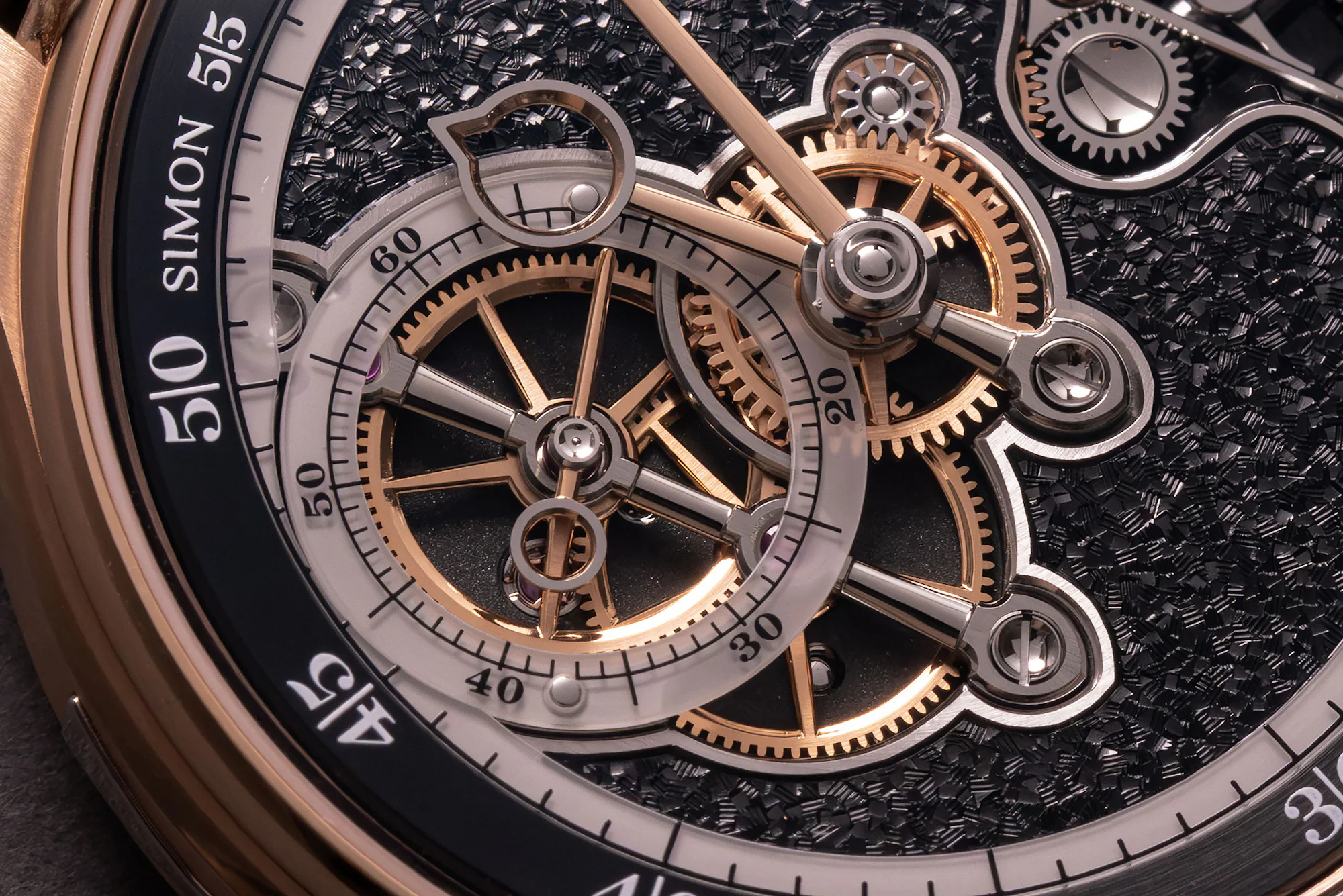
If you have an interest in watches and don’t know what you’re looking at here, talk to someone! And even if the design isn’t for you, you have to respect the quality.
This is a bit of a silly one, I suppose, but this experience stuck out to me, even years later. Names and faces have been removed to protect the innocent (and the guilty). Some years back, I took a man who really wanted to be a Hodinkee editor – he was arrogant – to see two different independent watchmakers in Geneva as a bit of a trial run. The two watchmakers were both starting to get a name for themselves, but neither was a “big deal” like they are today. The first watch was stylish and cool. Very design-y, and this young man ate it up. As he should! It was a very cool product with some really neat details, especially at the then reasonable retail price.
The next stop was to a highly technical watchmaker. This young man took the watch in his hands – without using the loupe available on the table – and when I asked what he thought, he replied: “It’s alright, I guess.” Now, aesthetically, it wasn’t to his taste (and that’s OK!), but I prodded him: “What do you think about the movement architecture? And the finishing?” His response was “it’s not for me”.
I wanted to understand more, because tastes are one thing, but abject quality is another, and the latter watchmaker’s watch was so far and away superior from an actual watchmaking perspective that I was taken aback. I asked, “But what do you think of the dial work (all done by hand), and the individual finishing to the components? Also, all done by hand. I was met with a shrug. I just couldn’t believe, frankly, that this person who purported himself to be a dyed-in-the-wool watch guy had truly no idea what he was looking at. Nor did he seem interested or open to learning about it. Needless to say, this person does not work at Hodinkee – it was just a stark example of people simply creating their own narratives about what quality is, even when it is (in this case, literally) staring them in the face.
FIVE THINGS HAPPENING IN TODAY’S WATCH MARKET THAT MAKE A TON OF SENSE
1. Early Lange Is On Fire, In A Healthy Way
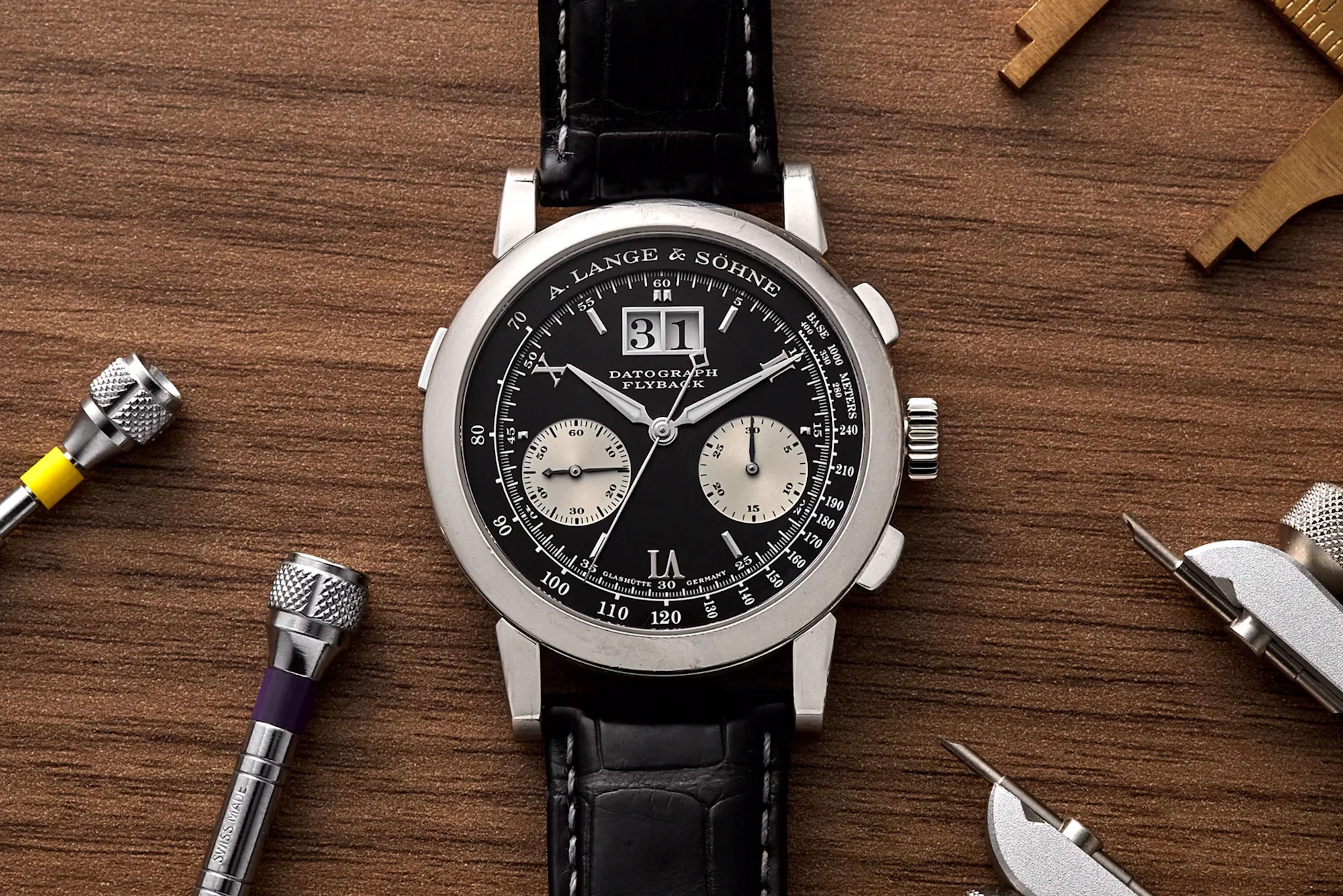
Is there a more important watch to the high-end watch world of our lifetime than the reference 403.035 – or the original platinum Datograph? I’m not sure there is. Now the market is starting to agree.
The two missions I was on back in 2014-2016 or so were to get people to pay attention to two watchmakers: F.P. Journe and A. Lange & Sohne. Both were criminally undervalued on the secondary market, and it’s clear the Journe thing changed. The market for Lange has changed a lot too, and retail demand is at seemingly record levels. It’s warranted. But what is also now very much a real thing is the demand for early and important Lange watches. Closed case back Lange 1s – obscure references – and indeed, early Datographs, are completely on fire. I found it so interesting that during COVID, the Lange chronograph that jumped the most was the “Dufour-graph” – or the Datograph 39mm in rose gold, where the original platinum Datograph lagged behind in terms of value. Granted, the platinum watches were made for years, but the early ones with “Meters” dials are catching up – full-set, really-early examples now trade above the retail price of a modern Datograph, well into six figures for the best pieces.
Here’s the thing about Lange – it runs counter to two of my complaints above: the quality of both the modern and “neo-vintage” watches is superlative in every way. Everything limited and special in Lange is doing really well right now – tourbillons, L1’s, oddities, you name it. And unlike the Journe market, this growth feels steady and reasonable when you consider the quality of the product and the prices people are now paying. The bracelet thing? Well, that’s another story altogether. But I am thrilled to see early Lange catching some momentum because there isn’t a brand out there that has been making better watches consistently for longer, and across categories.
2. Modern Vacheron Constantin Is On The Tip Of Everybody’s Proverbial Tongue
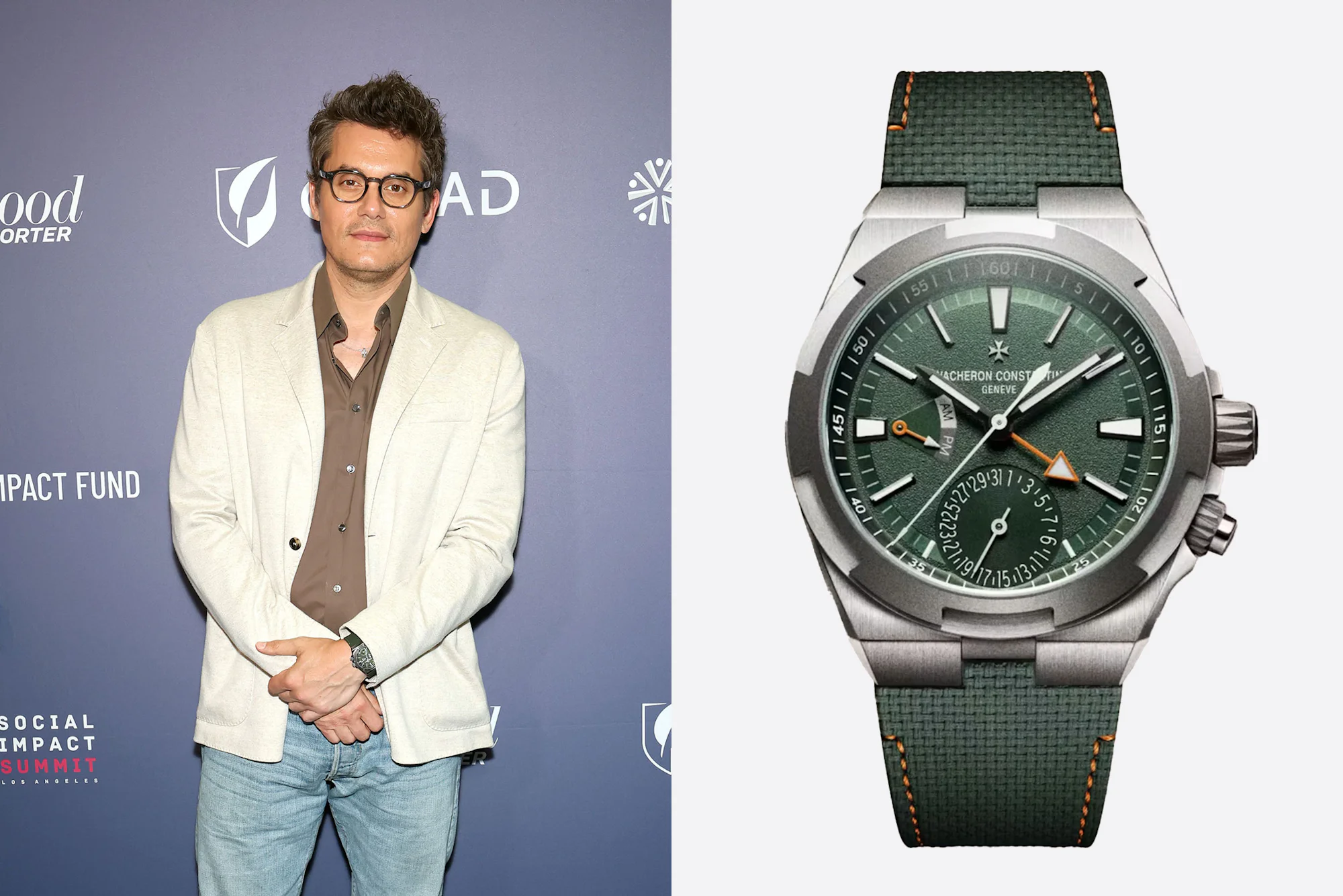
Mr. JC Mayer was recently seen wearing a Cardinal Points Overseas – absolutely one of the most in-demand watches of 2026. Left image courtesy of Getty Images.
I love Vacheron – always have – and as I said a few months back, show me a brand that’s had a crazier last two years, and I’ll eat my hat. But the market hasn’t always loved them at retail. The 222 changed things. COVID pushed things further. Now, Vacheron, at retail, is absolutely on fire. The number of (occasionally really) famous and influential people that text or DM me each week to tell me they’re getting a VC is simply astonishing. Some of them are the off-catalog Overseas, others Les Cabinotiers pieces, and still others are just run-of-the-mill catalog pieces.
I will say, between the Cardinal Points (which, remember, is NOT a limited edition) and the (limited edition) 2500V, I’m not sure there was a duo from any brand that more of my friends actually wanted to buy from Watches and Wonders this year. And I get it. Incidentally, I’ve been wearing a 2500V for the last month, and I couldn’t be more impressed with the quality of the new caliber and the remarkable strap system. I switch between the rubber strap and bracelet daily – seriously. And have some more straps en route. This brand is on fire – trust me on that.
3. (Some) Independent Watchmakers Literally Can’t Keep Up, Not Just With Orders, But With Just Normal Correspondence
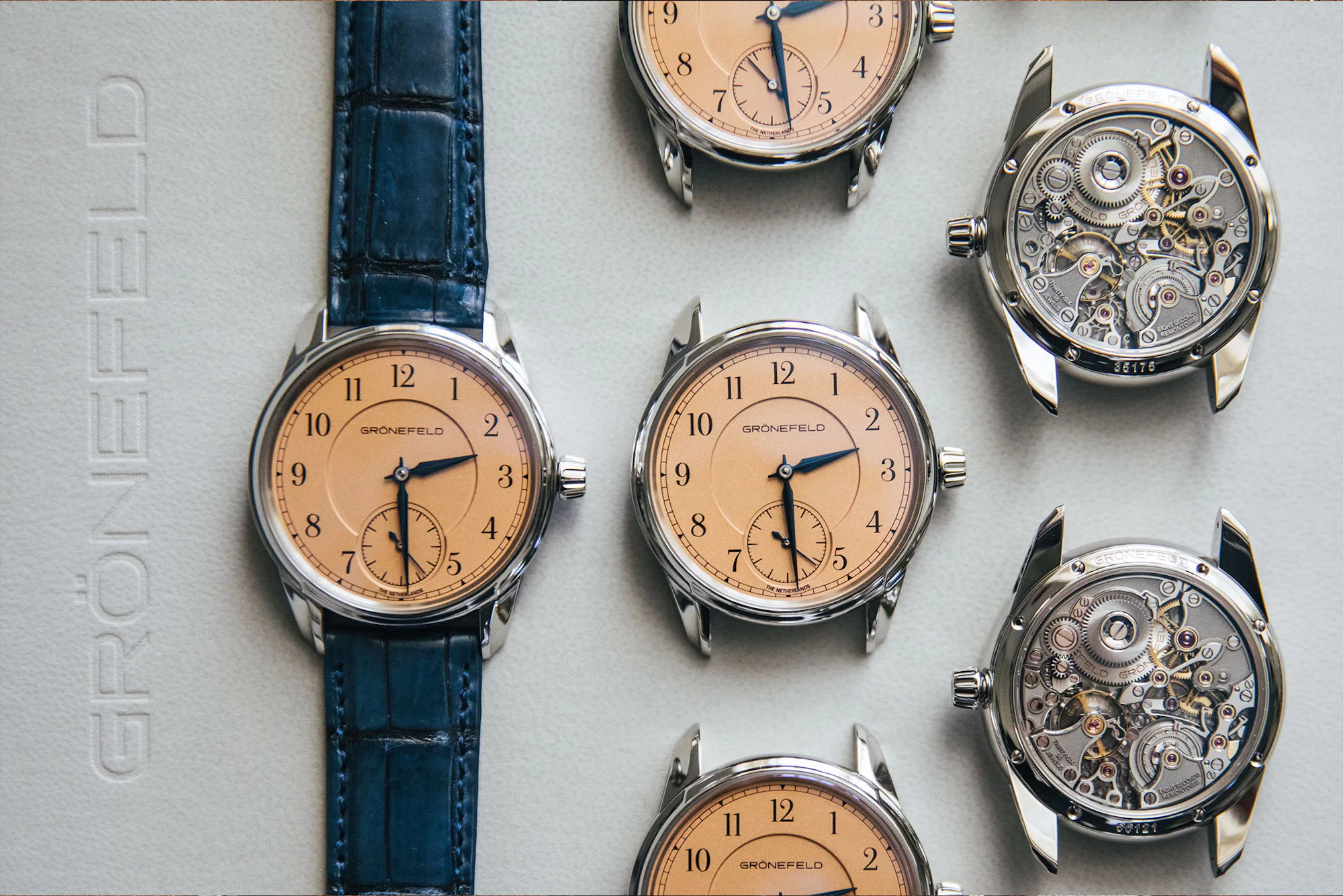
Six Hodinkee Gronefeld Remontoirs in one photo. We sold twelve of them in a day in 2018, and that was a big deal – today, they receive ten emails every single day about their watches.
Since taking back over running Hodinkee about 18 months ago, I’ve made it a point to reconnect with several people that I was close with in the early years. That includes, oftentimes, independent watchmakers. Where are we now? To give you an idea, the Gronefelds, with whom we collaborated back in 2018 or so, now receive ten inquiries for watches per day. Simon Brette’s team isn’t scheduling visits until far into next year, and all watches are long allocated. Kari? He’s closed his waiting list after reaching 12 years. Rexhep? You can’t even imagine.
Is it good, bad, or somewhere in between? I think mostly good, because the names I mentioned above are doing wonderful work, and being able to build watches for people you like is the *literal* dream, but there’s no question it’s causing a lot of frustration for customers old and new. You just have to remember how small many of these watchmakers are, how new this type of demand is, and, finally, how hard it is to make watches at this level. Be patient and understanding – and above all else, be nice. 🙂
4. Retail Prices Are Too High Across The Board, But Good Products At Fair Prices Do Exist Here And There, And Occasionally, You Can Buy Them
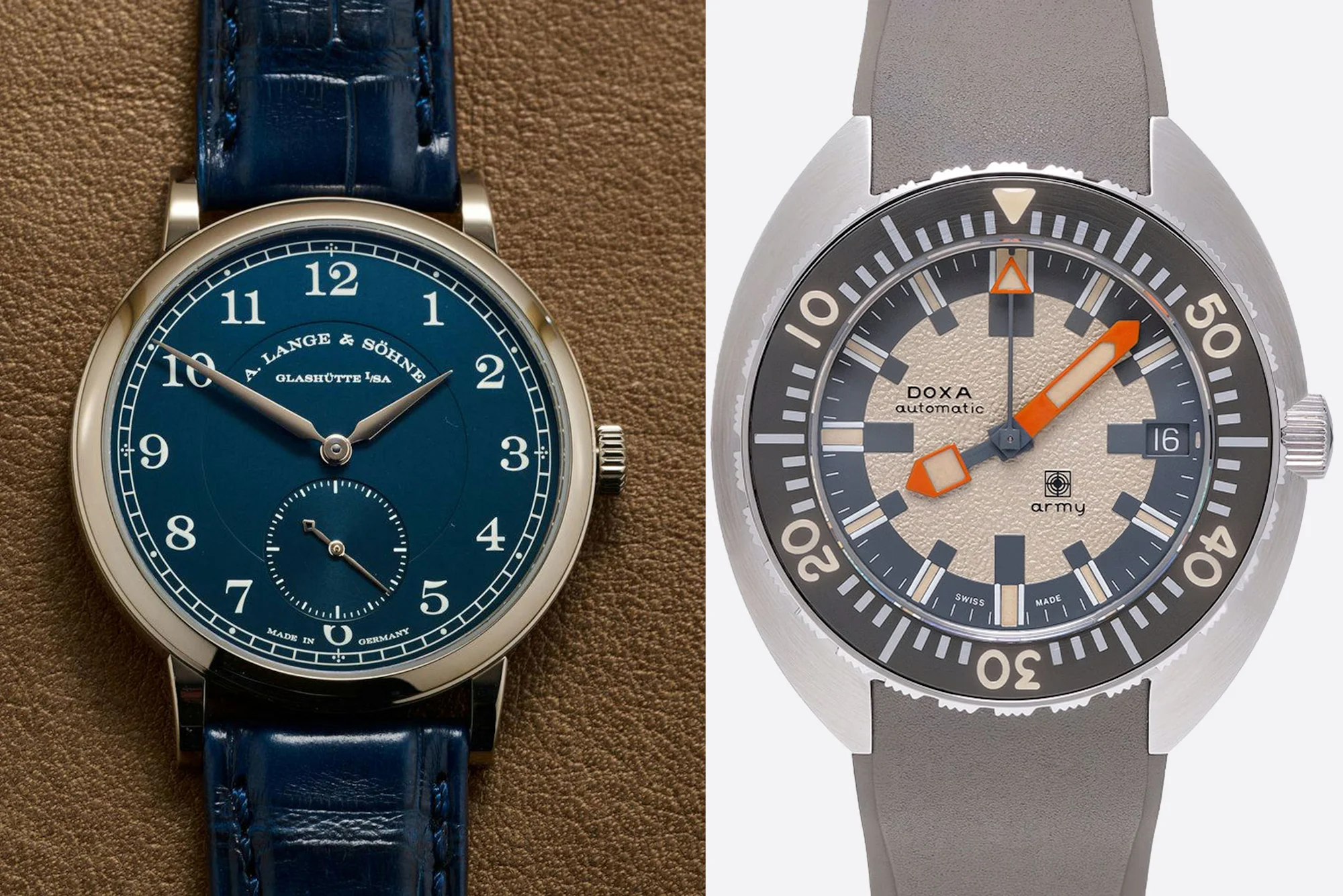
The Lange on the left runs about 25k, is rose or white gold, and features a lovely in-house movement. The watch on the right is steel, uses a Sellita movement, and runs about $2k. Both are good watches at good prices, IMHO.
One of the worst things that’s happened to our industry over the last decade or so is the seemingly indiscriminate raising of retail prices to a point where things just don’t *feel* good anymore. But there are, from time to time, things that seem to feel like the old days and deliver a great product at a reasonable price, no matter what that price is. Some examples (at least for me)? This 34mm Lange. This Ming Bracelet. This 39mm Tudor Chronograph and this Tudor Ranger. Almost every Chopard LUC. And finally, our Doxa LE, if I may say, for $2,000 – we had almost 9,000 people try to buy the 250 pieces that were made – if that’s not a sign that it was a fair value prop, I’m not sure what is. I’d love to see more brands (that aren’t Rolex) surprise consumers with their value offerings.
5. There Is Still Stuff To Discover In Watches, And That Is Thrilling
It’s incredibly easy to think you’ve seen it all in this space – but no one really has. And for me, as a journalist, collector, pundit, etc, I am still shocked by things fairly regularly. Whether it be a new-to-market 2526 with Breguet numerals, a very special Vacheron Constantin wristwatch that I’d never even heard of before that was submitted for the Concours d’Elegance (more to come on that!), or something as simple as some very cool names wearing vintage Porsche Design watches in period – there’s just a lot still left out there, even for me. That doesn’t even mention the incredibly cool work of new independents, and even the big boys! If you think there isn’t cool stuff left in watches, you’re not looking hard enough.
BONUS: Incredibly Famous People Wearing Incredibly Good Watches, At A Whole New Level
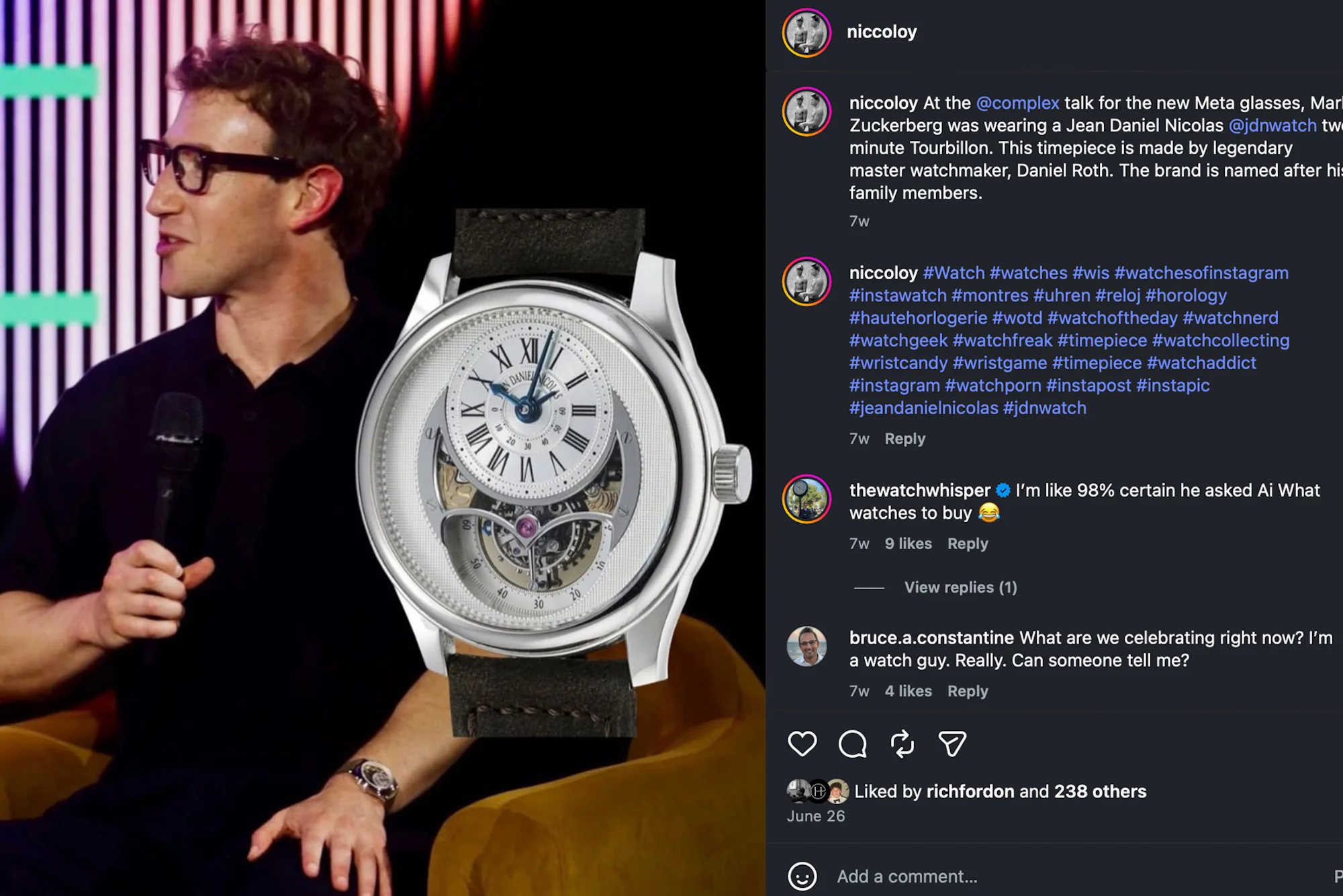
When I saw Mark Zuckerberg present his new Meta Glasses in NYC, I spotted this JDN Tourbillon on his wrist instantly and thought to myself, “damn, he’s really doing it!”
Famous and well-to-do people wearing good watches is nothing new – but incredibly famous people wearing incredibly good watches is new, at least at this scale. I’m not talking about an athlete, actor, or musician wearing a Rainbow Daytona or Aquanaut – I’m now referring to someone like Ryan Reynolds wearing a Simon Brette, Bernard Lederer, and Roger Smith. I’m talking about Mark Zuckerberg wearing a Philippe Dufour Simplicity and a Jean Daniels Nicholas Tourbillon on the same day. How about Nick Cage wearing a Vacheron perpetual calendar tourbillon? Jay-Z wearing a Tiffany-signed Oyster Paul Newman, and a unique Sky Moon (and his own Simon Brette!). Or Timothée Chalamet wearing an Urban Jurgensen, and then investing in the company! These are true A-listers dedicating real time and money to the understanding, pursuit of, and enjoyment of literally the greatest watches in the world. And that is awesome.
Your Feedback Is Needed For Future Clymer Time Writings
Each of these points could be a story in itself. I’d love to know which ones you’d like to hear more about, so let me know below! And if you’d like regular market updates like this, also let me know! I will be sure to check in on the feedback here over the next few days. Or, feel free to DM me on Instagram.