
When you work in a world about objects that measure time, you are confronted daily with the finite nature of things – nothing lasts forever. Speaking a bit less existentially, we see certain products come and go all throughout our lives. A brand changes its logo. A restaurant changes a recipe. A watchmaker retires a favorite model.
To us, these changes can feel abrupt – like it happened overnight. However, I can say confidently after many years of factory tours that the watch industry most certainly doesn’t take change lightly. For each watch design we love, there is prototyping, tooling, machining, programming of that machining, training – an endless list of resources and time that go into bringing every detail of a particular model to life. To change that or do away with it altogether is a carefully considered decision that impacts the bottom line.
Now, yes, there is a flipside that’s pervasive in this industry – exclusivity – and I am equally certain this comes into play when discussions about discontinuing a collection arise. A huge part of the watch world is fueled on scarcity and hype, and brands know the frenzy that’s likely to ensue when a beloved model is suddenly no longer available.
So here I am to give the brands what they want – a beg, a wish, a plea or at least some well-deserved adoration for some discontinued models that we would like to see make a comeback.
A. Lange & Söhne Datograph

The launch of the original Datograph. Image courtesy A. Lange & Sohne
A. Lange & Söhne made history with its original Datograph back in 1999 with the first completely new chronograph caliber designed from the ground up rather than modifying a base movement. It had a good run for over a decade until the new Up/Down variation hit the market in 2012 and set the new standard. The Up/Down introduced a few major changes: larger proportions from 39mm in the original Datograph to 41mm, an upgraded movement that increased the power reserve from 36 hours to 60, and a new power reserve indicator prominently positioned at 6 o’clock, giving the model its new name. Here, the upgrades arguably make a lot of sense. However, there’s also an objective case to be made for the more versatile and accessible sizing of the original. More subjectively, we have the power reserve indicator. It does fit with the sporty nature of the chronograph, and A. Lange & Söhne is no stranger to a power reserve indicator – as seen in a more subtle and elegant execution within its Lange 1 line. Yet, I still can’t help but long for the cleaner dial and proportions of the Datograph in its first form.
Heuer Camaro

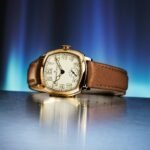
Okay, this one may be a little niche, but that is exactly why it deserves a comeback. The Camaro was a short-lived model in Heuer’s catalog from 1968 to 1972. We know Heuer’s roots in the automotive and racing worlds run deep, a lineage that has continued in the modern TAG Heuer catalog. With the Camaro, we have the familiar chronograph we see in icons like the Carrera and Monaco, but there is a little more subtlety, a little more charm. The Camaro, with its cushion-shaped case, is a bit softer and refined, a bit less sporty despite the complication. It’s compact and classic with a manually wound movement. There is nothing quite like it among the brand’s modern offerings, and it would make for a nice addition or rather re-edition.
Nodus Trieste
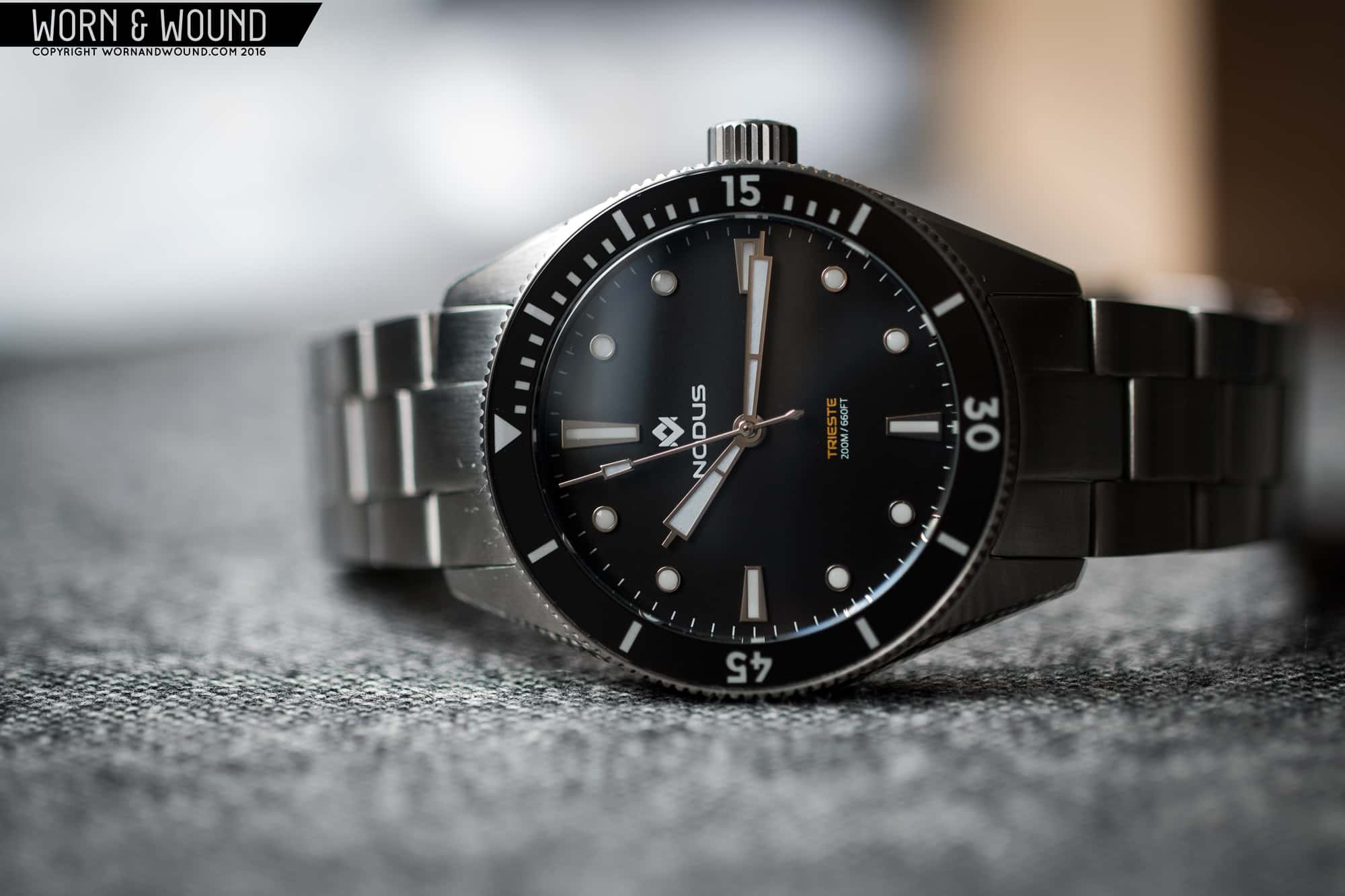
Speaking of classics, or rather modern classics, let’s go back to 2017. Nodus hit the market with its first model, the Trieste. This diver is classic in nearly every sense of the word. Apart from its oversized 41mm case (the modern bit of modern classic), the design pulls from the heritage of ’60s and ’70s-era skin divers. It has a stainless steel build, black dial with lume-fill hour markers, and a matching black unidirectional coin-edge bezel with luminescent numbers and hash marks. For the model name, we get that perfect pop of orange on the dial, completing the quintessential color scheme. As Nodus found its rhythm, the Trieste was ultimately short-lived and replaced by the brand’s now standard Sector collection, featuring divers like the Sector II Dive GMT and Sector Deep. With these models, the brand has clearly found more of its own design language and upped the ante on its depth capabilities, which has also informed the evolution of the design. However, I can’t help but feel the Trieste presented a great value proposition for someone who wants a timeless, vintage diver look and feel in a contemporary piece.
Oris Divers Sixty-Five 36mm
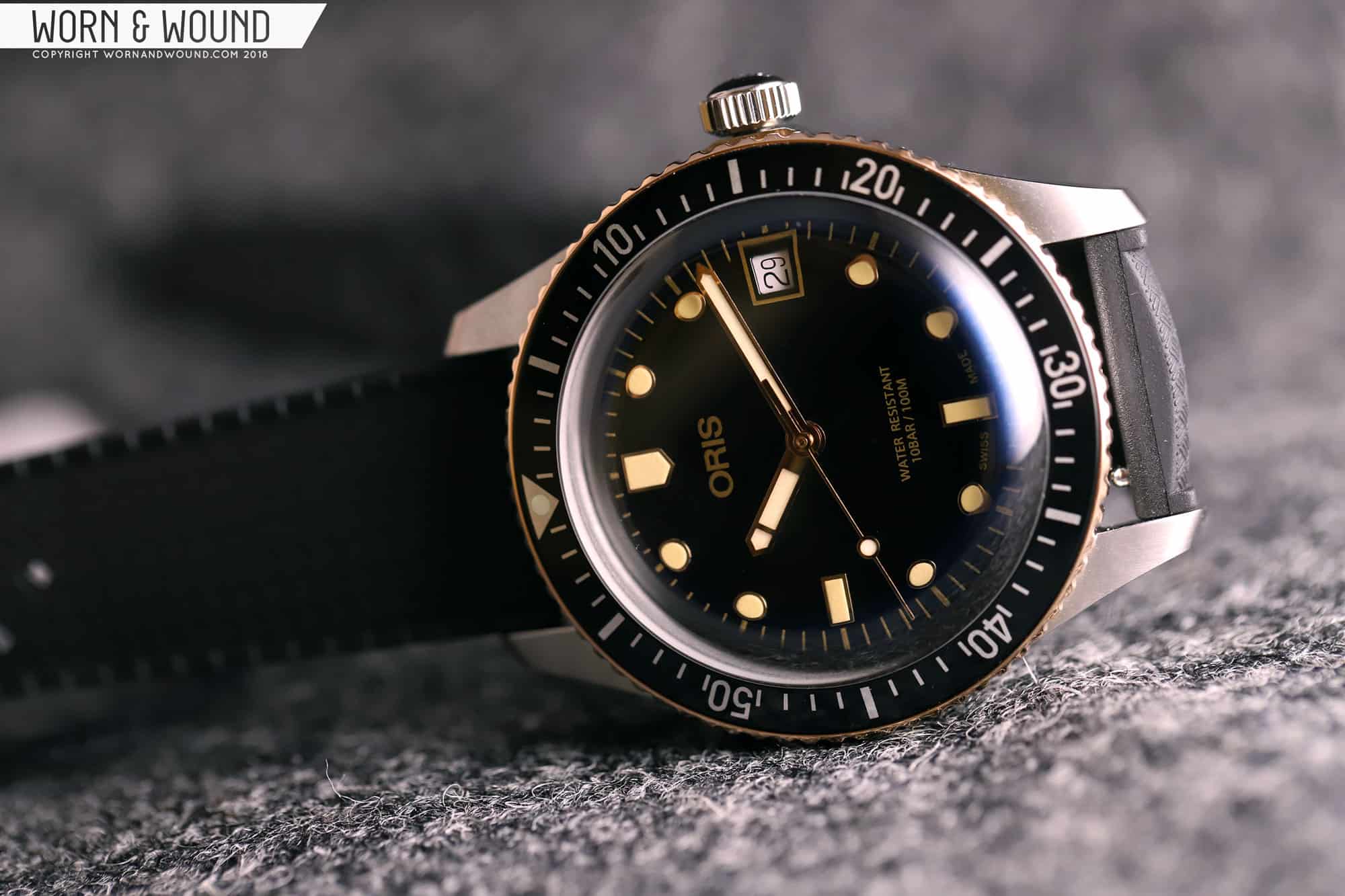
This next bid for a comeback is perhaps entirely selfishly motivated. Oris has long been one of my favorite watchmakers in the industry, and yet, somehow, I have yet to own a model. Perhaps that would change if the brand brought back the Divers Sixty-Five in 36mm. The sweet-sized, compact variation of Oris’ classic dive watch came into the catalog in 2018 then quietly disappeared somewhere around 2023 or 2024 as the new Divers Date entered the chat. Today, the smallest size offered in the collection is 38mm, even for the dare I say ultra-feminine Divers Sixty-Five Cotton Candy subset. Whether the brand kept in this vein with a feminine twist or just simply created a more retro design within the lineup, I think the 36mm option would be a welcome return to an otherwise stellar assortment of dive watches.
Rolex Milguass

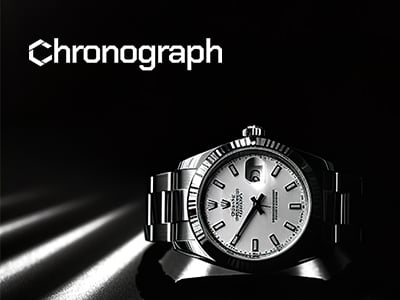
It is basically impossible to choose one discontinued Rolex model we would like to make a comeback because let’s be honest, there are many. Here, I am casting my ballot for the Milguass. To Rolex’s credit, it’s a brand that is steadfast and consistent – a brand who found something that works (extremely well) and stuck with it without being tempted by taking risks or giving into trends. However, on the whole, I find the brand’s designs to be a little too classic, a little too monotonous, a little too boring quite frankly – except for the Milguass. With this model, Rolex allowed itself to get a little weird – a lightning bolt seconds hand, need I say more? What I love even more is that Rolex did not question the quirkiness of the Milgauss over time – the brand did not try to dial it back or button it up – in fact, the opposite. Rolex made it weirder with the new millennium re-edition by adding the first and only green-tinted sapphire crystal. I would venture to say this edition somehow became more iconic than the original, and I think that is an obvious sign that certain Rolex fans are ready to let their freak flags fly. I would definitely like to see this model make a comeback and get even stranger.
Seiko SKX Series
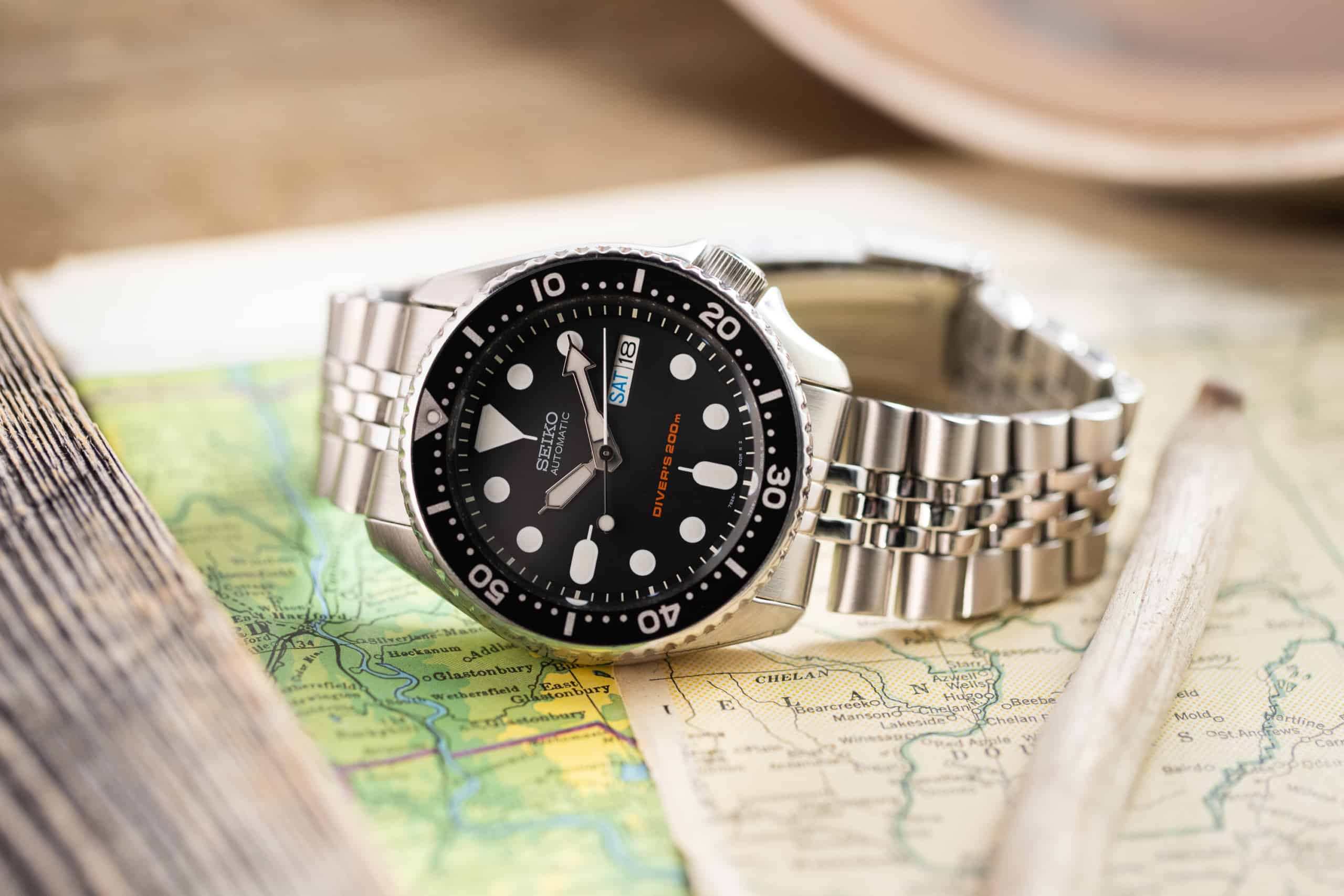
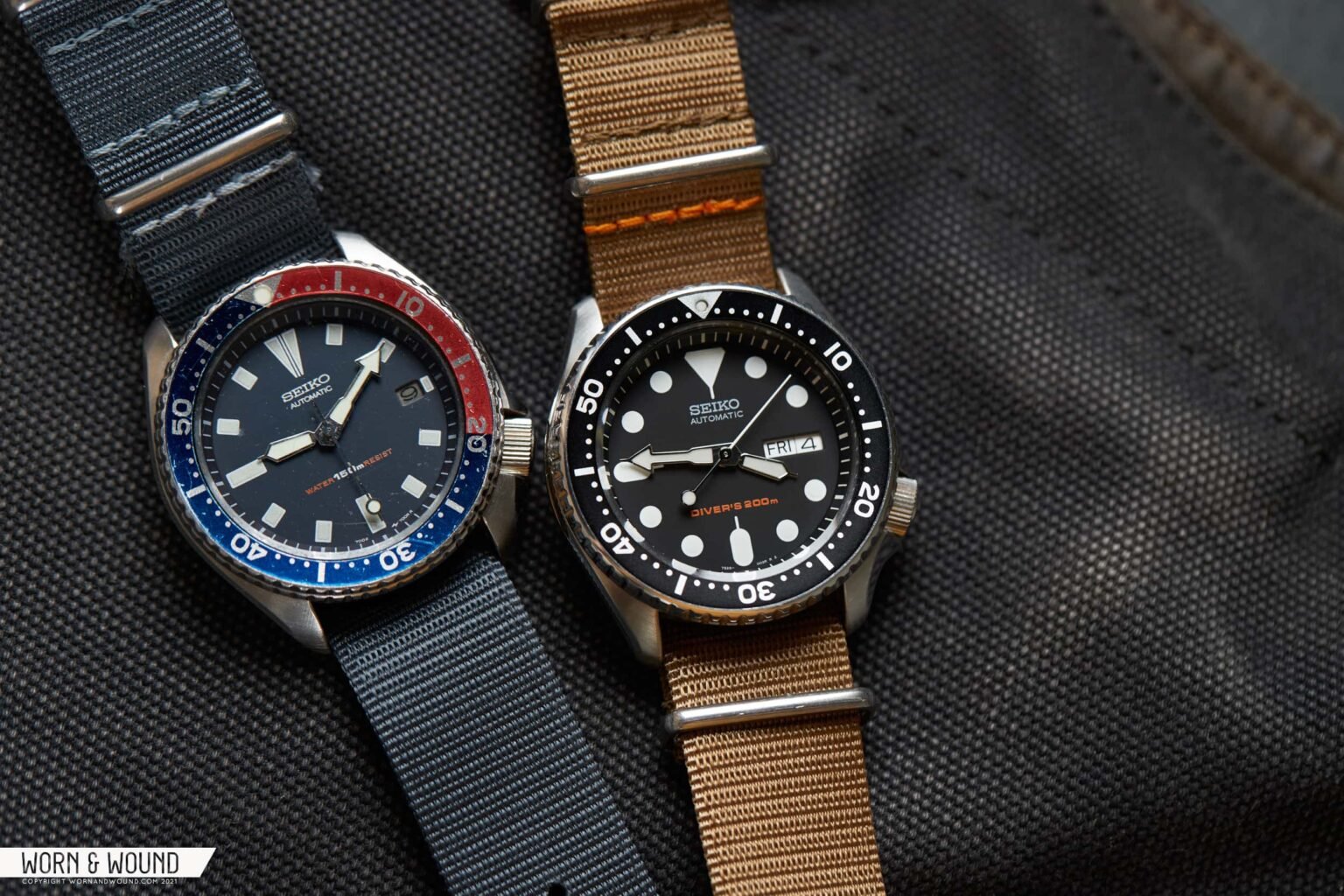
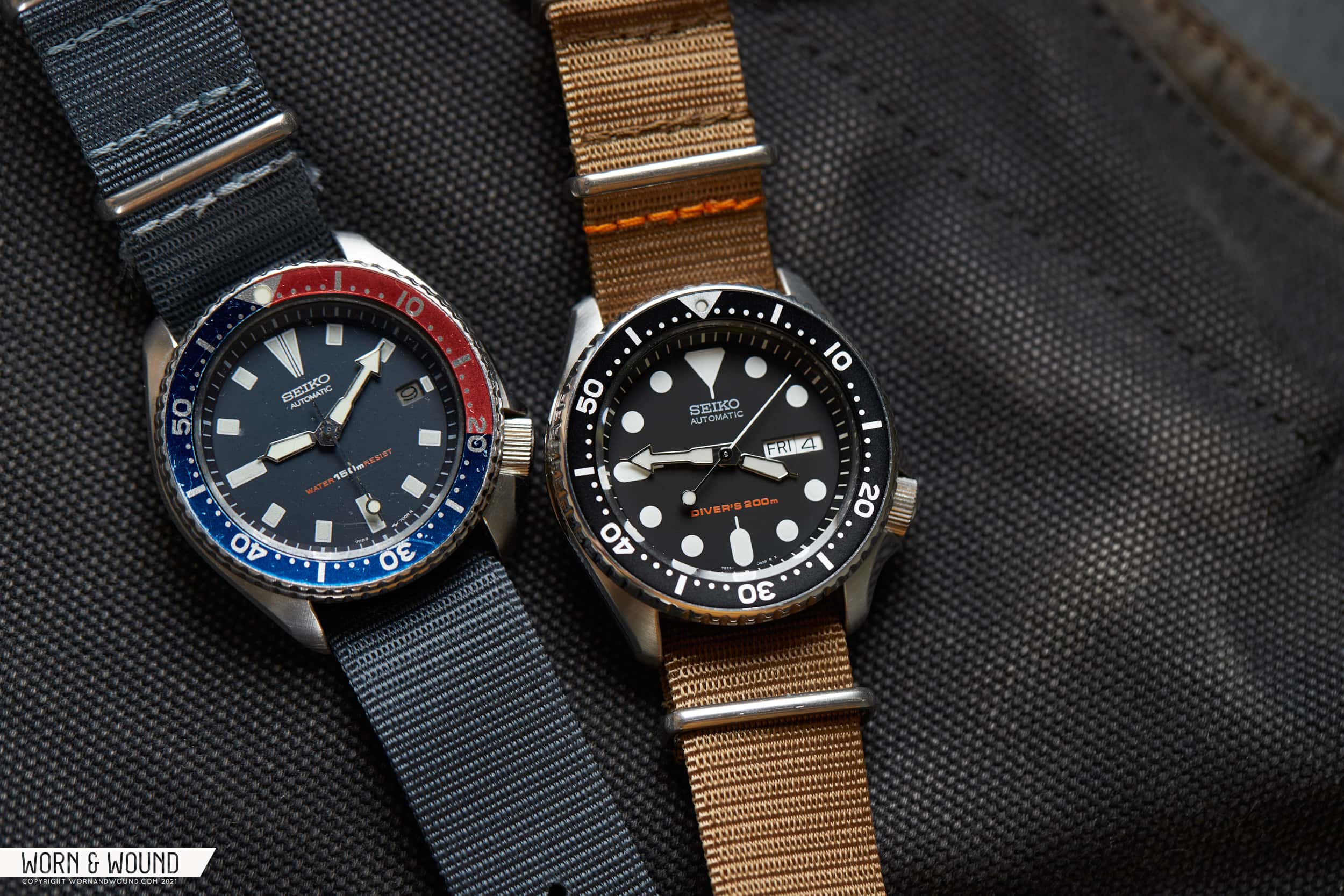
Here is a comeback I think we can all agree on: Seiko’s beloved SKX references, specifically the SKX007 and SKX009. Like Rolex, Seiko is another brand with many discontinued models that have been rightfully mourned. However, something seemed to cut deep about the SKX being replaced by the Seiko 5 Sports series. The tough thing about many discontinued models (like some of the ones we have discussed here) is that they are often phased out in favor of newer and arguably better materials or technical innovations. Yet somehow the transition from the SKX to the Seiko 5 Sports series feels like things went in the opposite direction or just a different direction altogether. The SKX was a killer series of ISO-certified professional dive watches with 200 meters of water resistance and a screw-down crown for an unbeatable value at under $350 retail. While the Seiko 5 Sports retains a somewhat similar look, the specs are entirely different: no dive certification, only 100 meters of water resistance, and no screw down crown. In short, the Seiko 5 Sports is a desk diver. To get comparable specs in Seiko’s catalog, it will now cost you upwards of $500. It’s safe to say the SKX would make a splash if it returned to the lineup.
The post These are Six Discontinued Watches We’d Like to See Make a Comeback appeared first on Worn & Wound.