

Richemont’s annual financial results and executive commentary showed continued strength in the U.S. market for the Swiss luxury conglomerate’s watches and jewelry despite rising consumer prices and economic fallout from the war with Iran. At the same time, sales in the Middle East, particularly the United Arab Emirates have declined since the conflict began in late February.

Richemont Chairman Johann Rupert.
“It is, at times, truly surreal, but the US economy, the metrics are still looking better than many other economies,” Johann Rupert, Richemont’s chairman, said on a call with media following the release of the company’s annual financial results. Richemont said sales in the Americas rose 17% from the year before and increased by double digits in both watches and jewelry at constant exchange rates during the company’s fiscal year ended in March. Richemont, which owns brands including Cartier, Van Cleef & Arpels, IWC, Jaeger-LeCoultre, and A. Lange & Söhne, said sales in the region increased by 18% in the fourth quarter of its fiscal year compared to the same period a year earlier.
“Looking ahead, uncertainty is likely to persist, not least in relation to developments in the Middle East,” Rupert said.

While U.S. sales stayed resilient, Richemont brands selling in the United Arab Emirates, particularly in Dubai, suffered declining sales and foot traffic in stores because of the war. While Abu Dhabi has shown signs of recovery, “in Dubai, they are more reserved, and you’ve got a bigger percentage of expats, and you’ve got to understand that tourism has dropped to zero,” Rupert said.
Overall sales rose 13% in the fourth quarter to €5.4 billion at constant currencies, even as sales in the Middle East dropped by 3% in the same period, Richemont said in its financial report. The decline in Middle East sales was offset by stable results from the Asia Pacific region and China, which rose 14% in the company’s fourth quarter. Sales in Japan jumped 28% during the same period compared to the year before.

The stronger-than-expected sales results from Richemont show momentum remains solid for watches and jewelry domestic sales in many regions despite the geopolitical pressures.
Sales for the company’s Specialist Watchmaker Division fell by 4% during the year as soaring raw material costs and unfavorable currency exchange rates pressured operating margins. At constant currency exchange rates, watch sales at the division, which don’t include Cartier or Van Cleef results, rose by 1% during the year and by 2% in the fourth quarter.

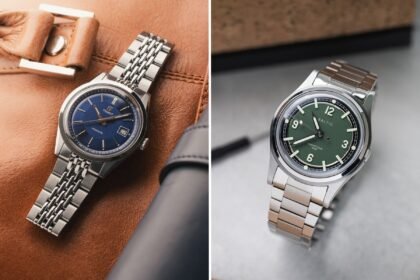
Rupert quashed reports that Richemont was considering selling its Jaeger-LeCoultre watch brand following an agreement to sell its Baume & Mercier brand to Italy’s Damiani Group, which is expected to close in the summer.
“There is no way it could ever have been contemplated,” Rupert said of media reports that Richemont was considering selling off JLC.
“Don’t believe it,” Rupert added.

Rupert and other Swiss business executives visited the White House last year amid the tariff dispute.
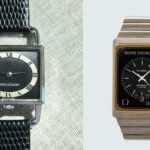
Richemont cited strong performance by watch brands including Jaeger, Vacheron Constantin, and A. Lange & Söhne, in the second half of its fiscal year, driven by new releases from the watchmakers.
Rupert said Richemont has yet to decide if it will apply for tariff refunds with the U.S. government following a Supreme Court decision that found the levies weren’t legal. Richemont has pegged its costs related to the U.S. tariffs at about €300 million. It has until the end of the month to decide if it will apply for a tariff refund, company executives said.