

As a huge fan of F1, I’m slightly embarrassed to admit that while MotoGP had always been on my radar, I’d never really gotten into it—until last weekend, when I headed down to Austin with Tissot for the Grand Prix. Tissot, a brand long tied to global sport (from the NBA to cycling), has been the official timekeeper of MotoGP for the past decade, and the trip offered a chance to see that relationship up close—along with a look at some of their current and upcoming releases.
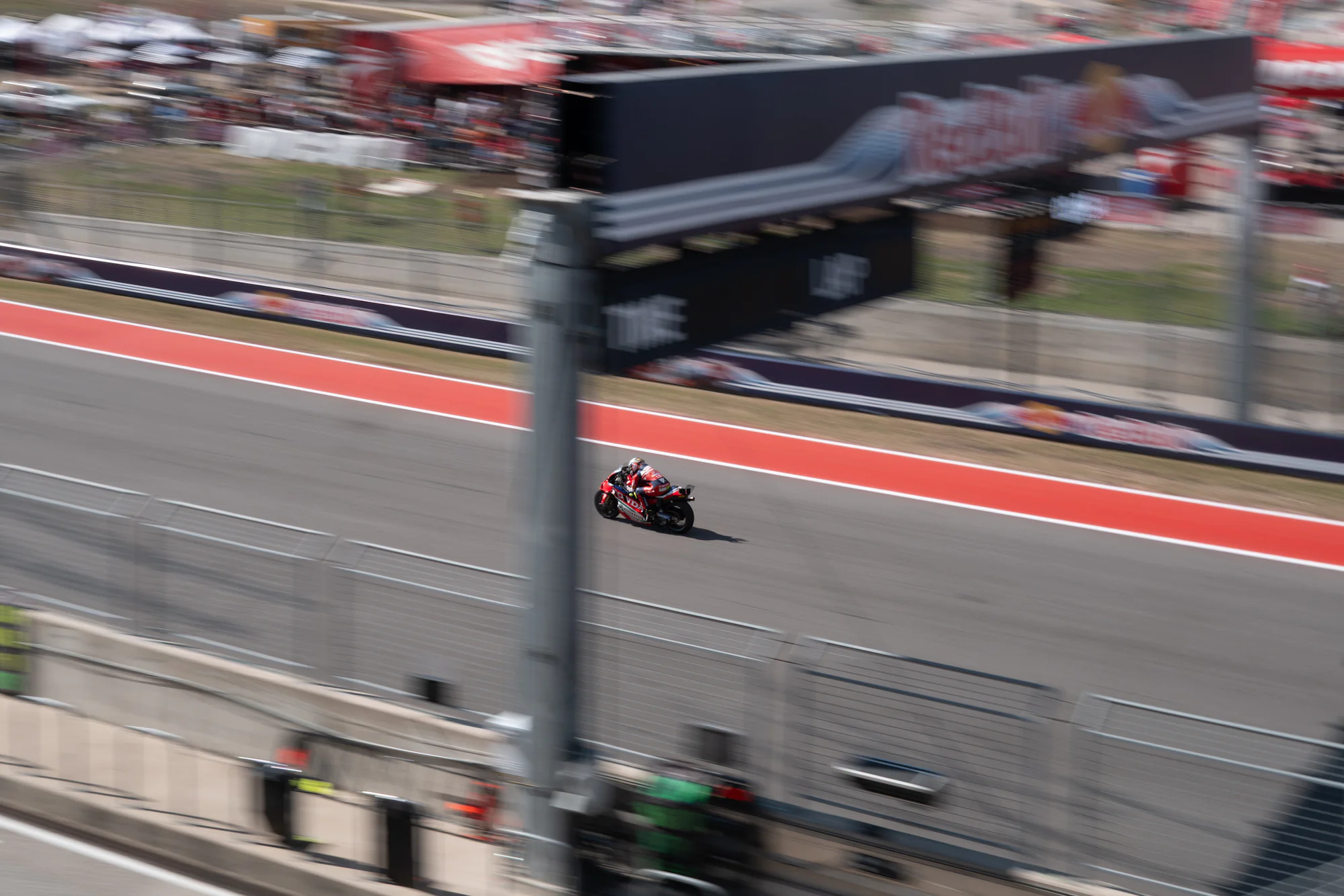
Saturday and Sunday were spent at Circuit of the Americas (COTA), and it didn’t take long to understand what makes MotoGP so compelling. The speed is one thing, but what really hits you is the sound. It’s constant, physical, and far louder than anything that comes across on a broadcast. When the bikes come past, you feel it as much as you hear it. Then there are the lean angles—watching riders tip into corners at over 60 degrees, knees, elbows, and shoulders (!) just skimming the surface. It almost doesn’t look real. Add in the technical side, including how much of the sport comes down to physics, control, and safety, and it quickly becomes clear there’s a lot more going on than just going fast.

The timing room. If you can look in between the two monitors, you can see the finish line.
MotoGP timing, I learned, is quite an engineering feat, and it’s one of those things you don’t really think about until you’re there and realize just how much is happening all at once. When we visited the timing booth, we learned exactly how it works. Beneath the track, a network of induction loops embedded in the asphalt serves as checkpoints. Every bike carries a transponder, and as riders pass over those loops, the system instantly logs sector times, gaps, and speeds. At the finish line—they’re relying on high-speed cameras shooting up to 10,000 frames per second, so even at 220 mph, it’s the leading edge of the front tire that decides it, not a rounding error.

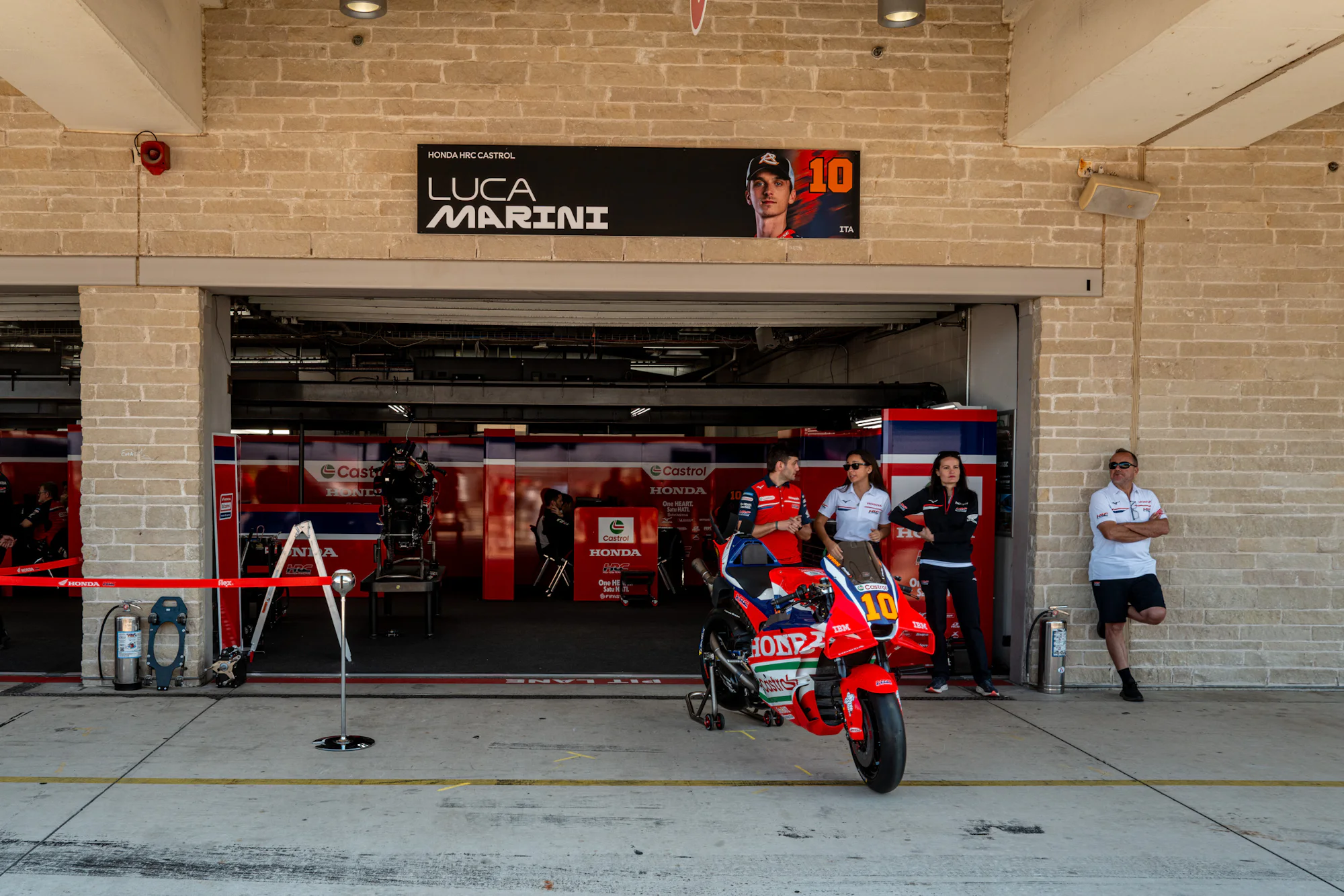
All quiet on the pit lane before the day gets started.
Throughout the weekend, I had the chance to speak with members of the Tissot team about the brand’s plans for the year ahead. What comes through pretty clearly is that their commitment to sport sits front and center—whether that’s the NBA and their work with Damian Lillard, or cycling with limited-edition watches with cycling brands like Pinarello. It all feeds back into the watches, from the more overtly sporty T-Race pieces to the tactile, tech-forward T-Touch, each leaning into performance in its own way.
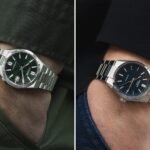
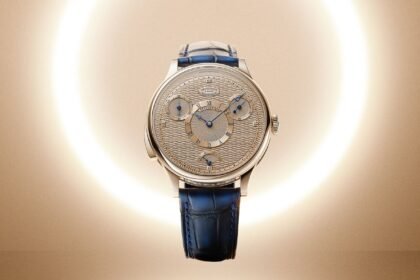
That said, as much as I enjoy the sports angle, the releases that come with it, and the crowd-favorite PRX, the watch I kept coming back to was the Visodate 39mm, released earlier this year. It’s a reminder that Tissot can still do simple, well-proportioned design really well—clean dial, classic layout, nothing overworked.
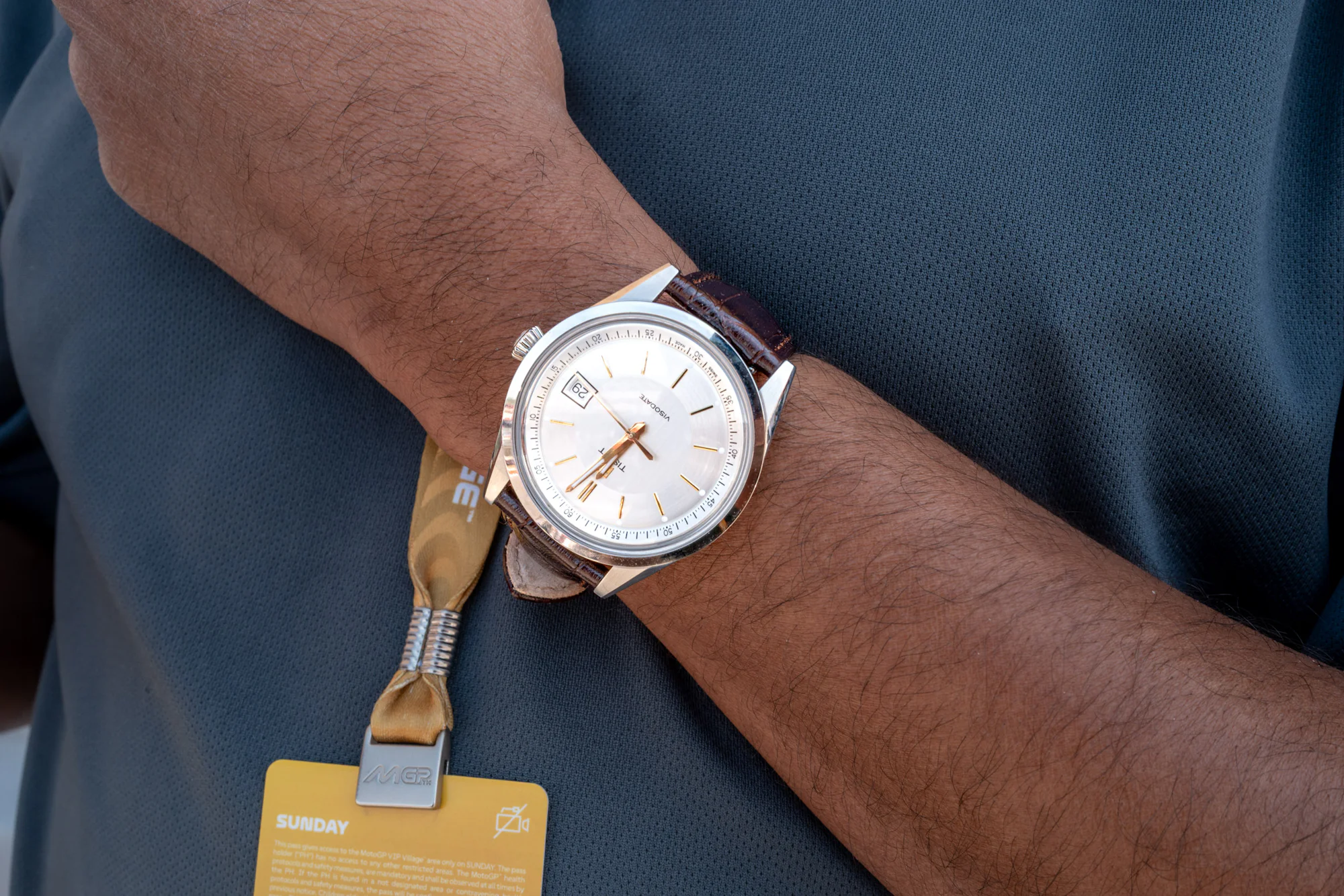
Tissot Visodate 39mm
It was a fun weekend of great watches and great racing all around. Scroll through for the full photo report—and for the full experience, throw in some earplugs. It’ll almost feel like you were there.
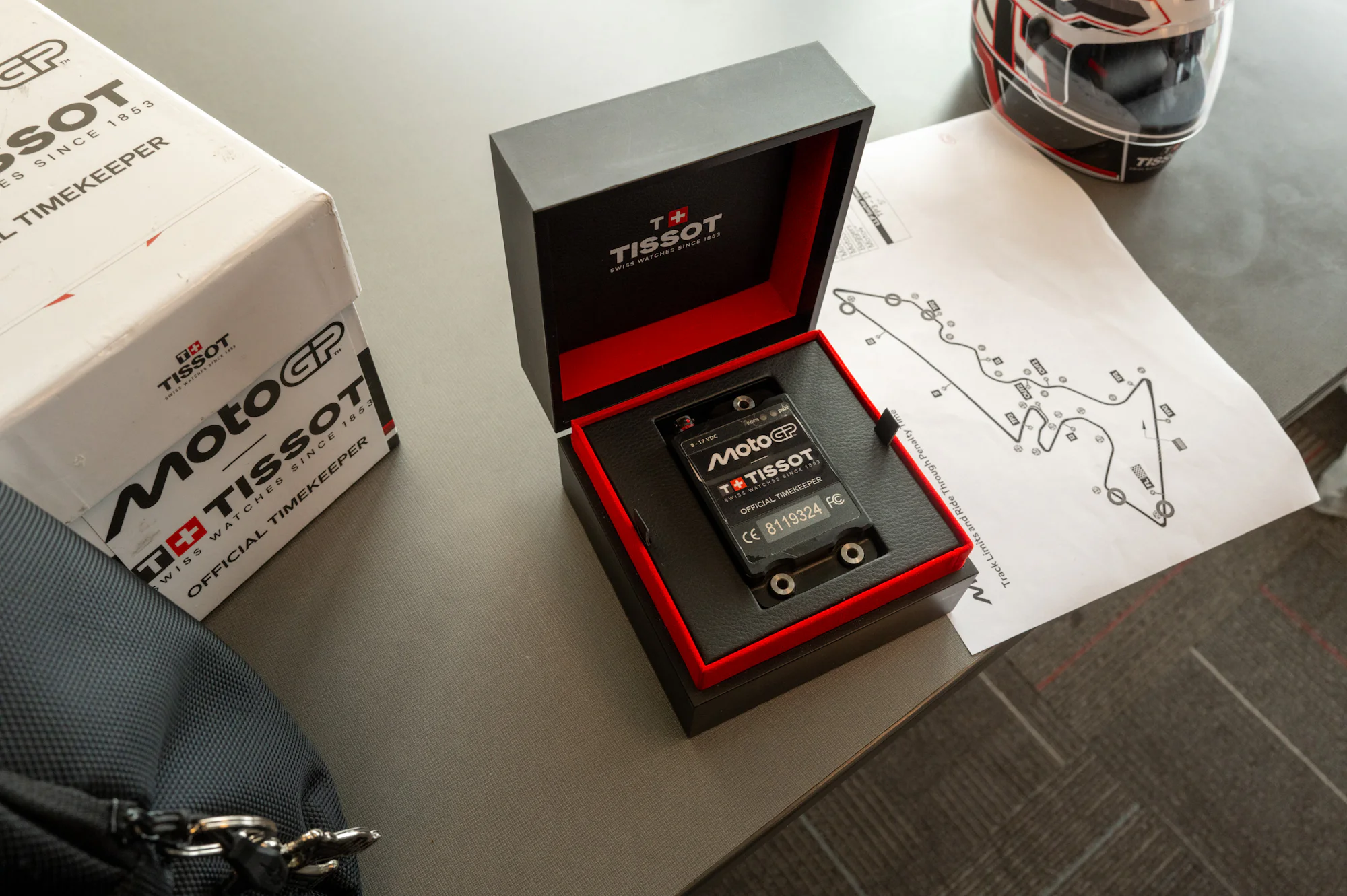
The timing transponder that goes in each bike.
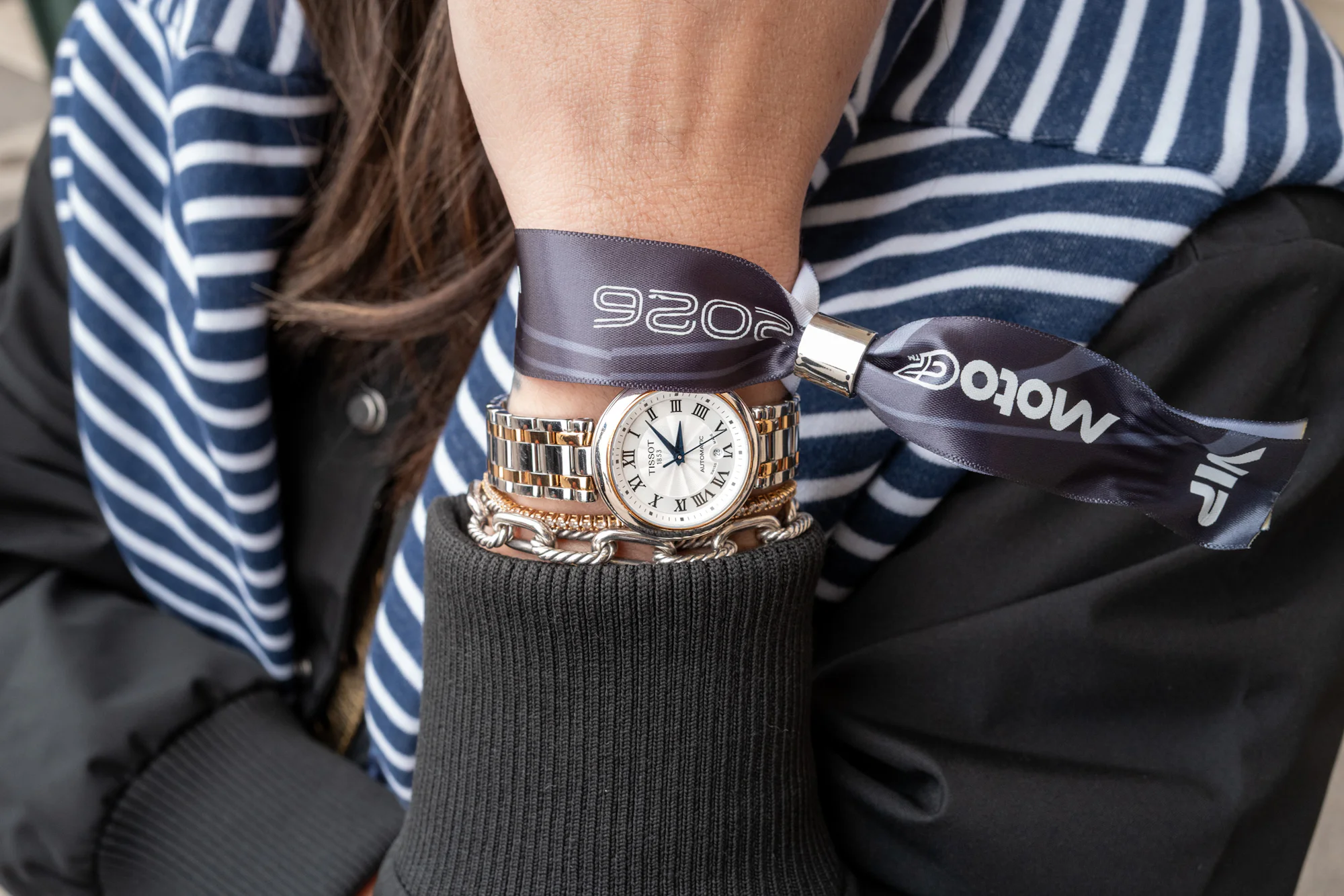
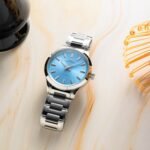
Tissot Bellissima
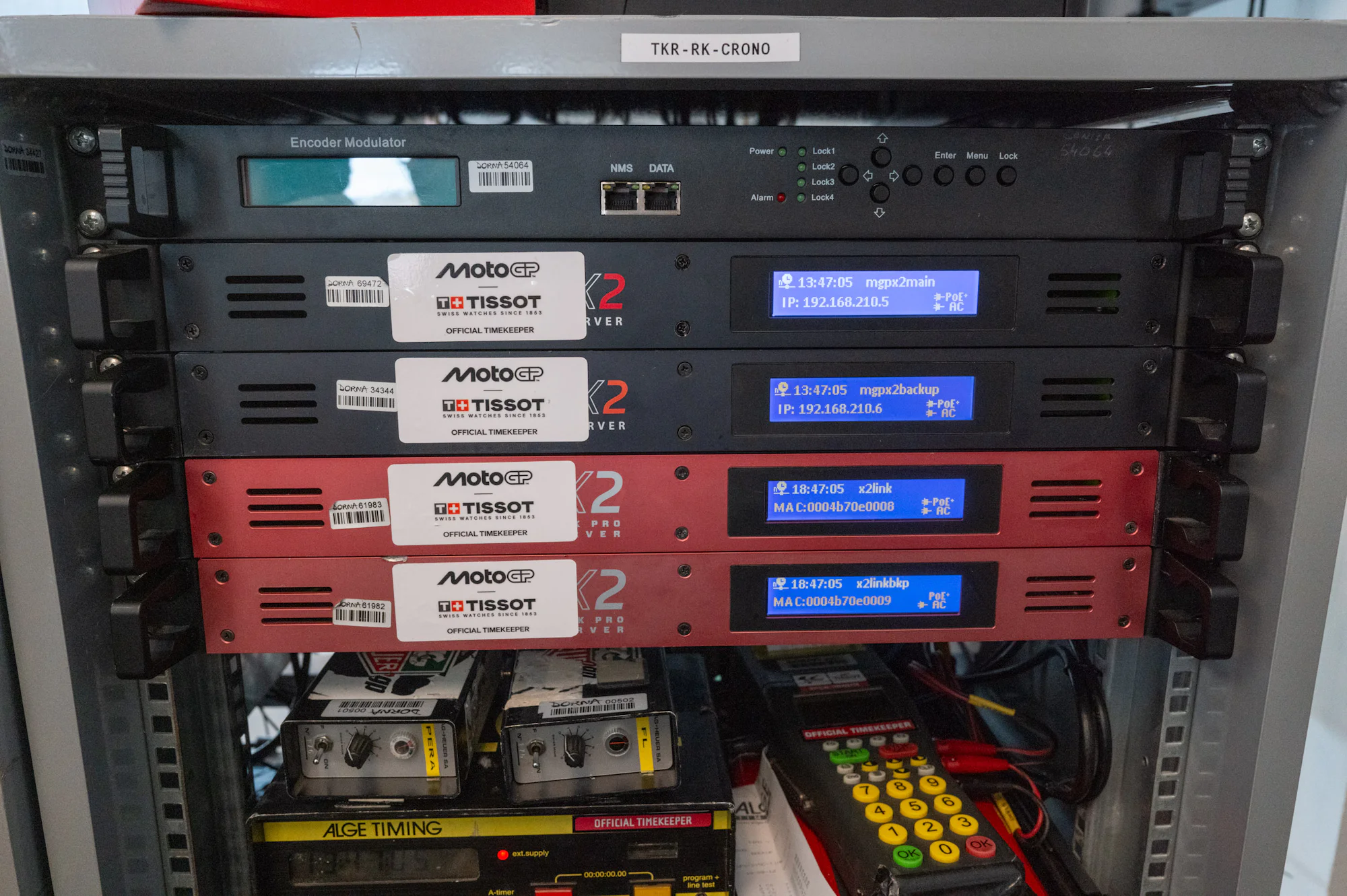
Servers in the timing room.

Tissot T-Race MotoGP Chronograph

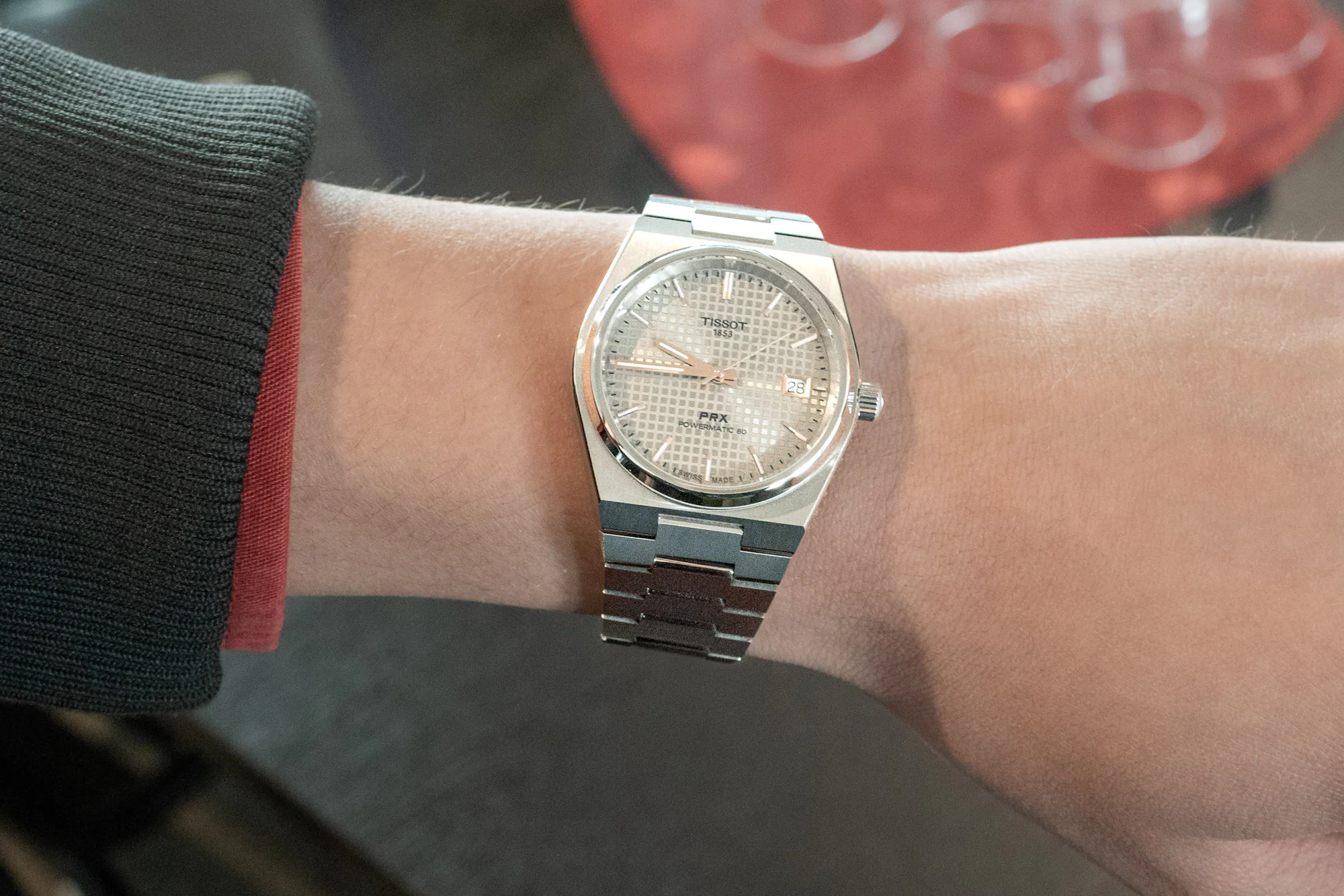
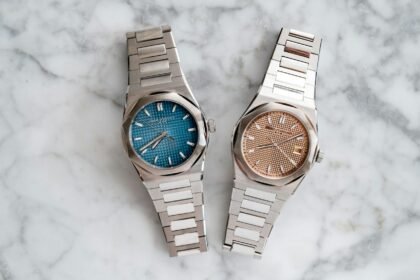
Tissot PRX Powermatic 80

The giant American flag at the top of turn 1.
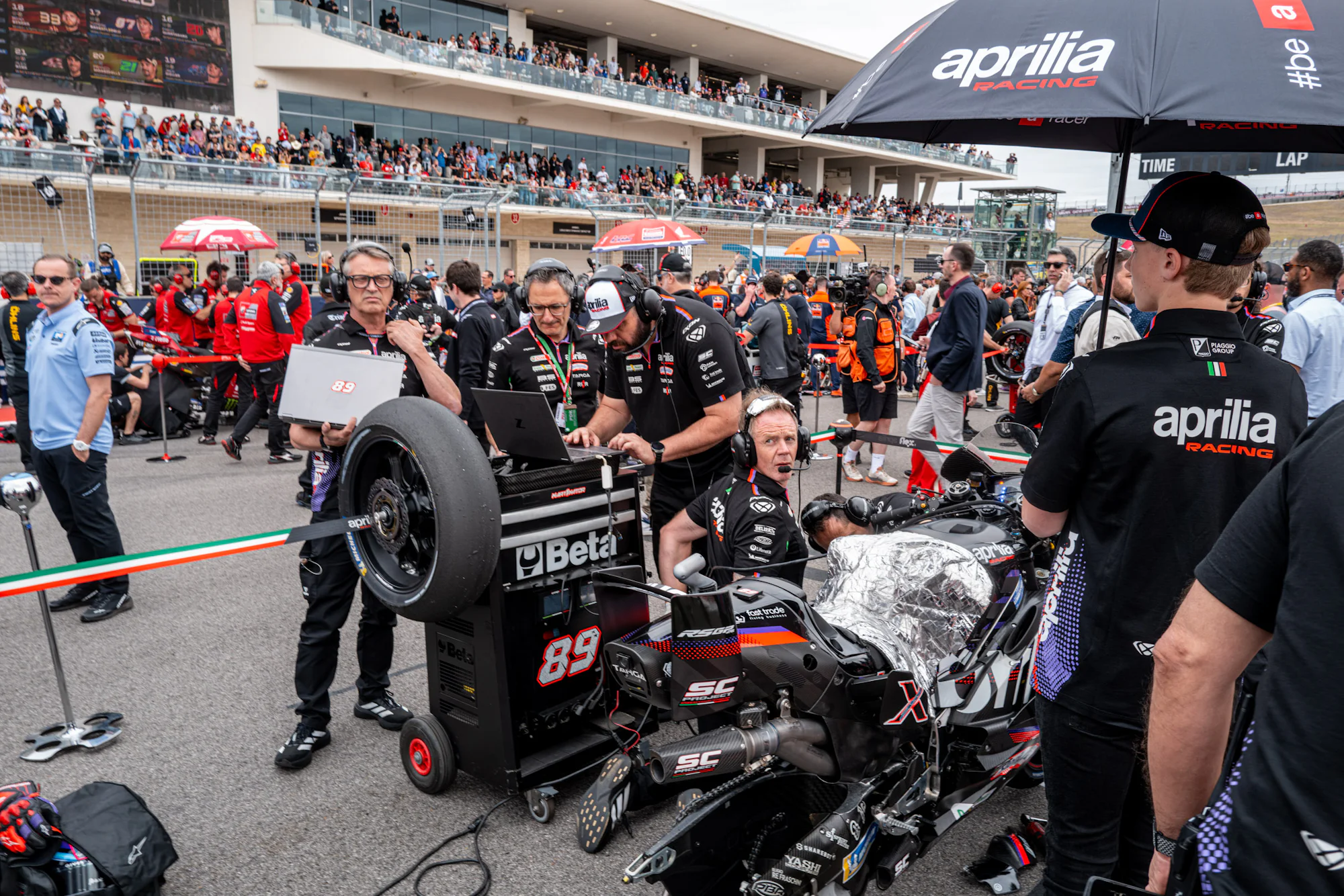
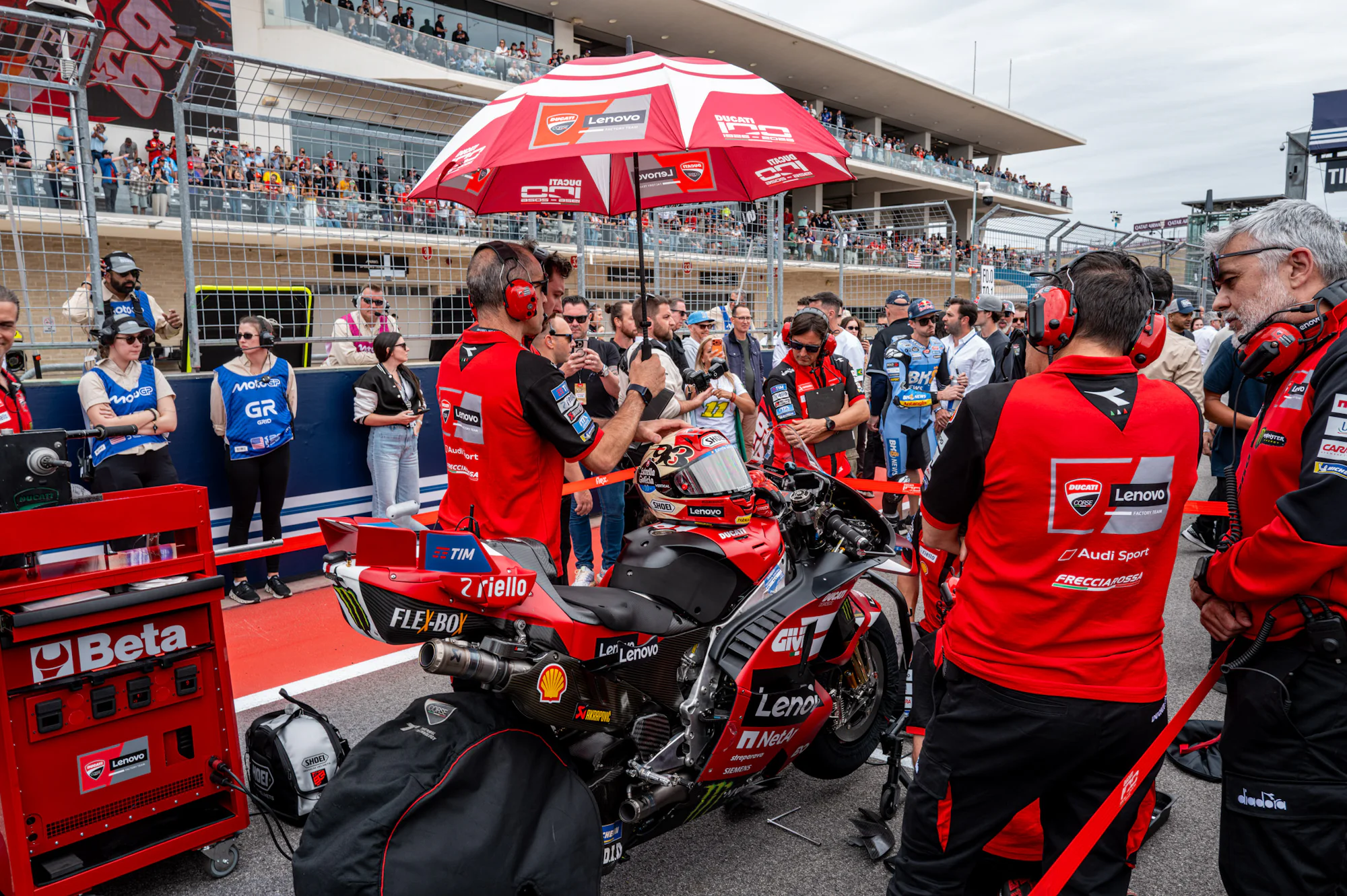

Marc Márquez prepares for the race. He’s won nine Grand Prix World Championships across all classes.
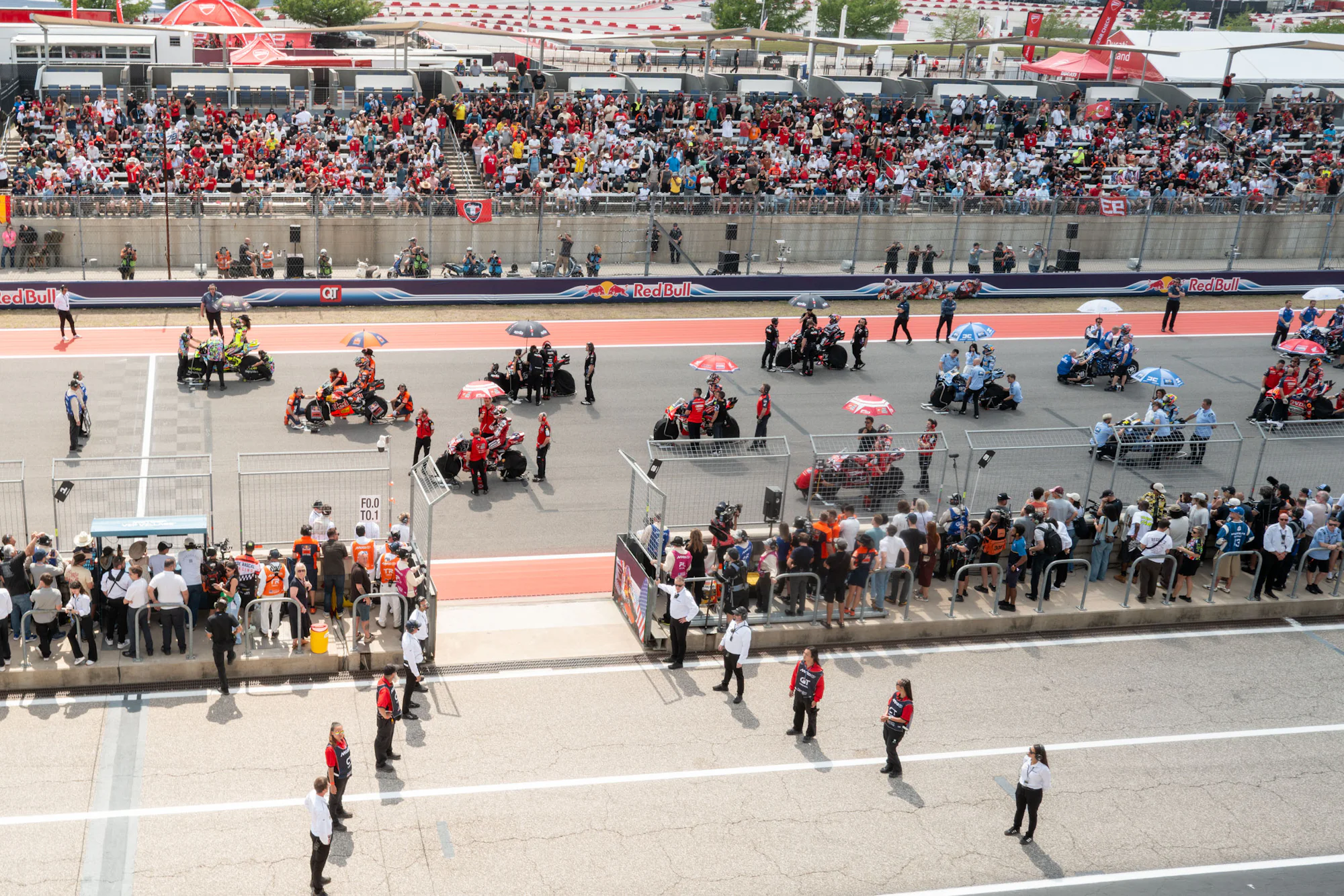

Guenther Steiner

Tissot T-Race Chronograph

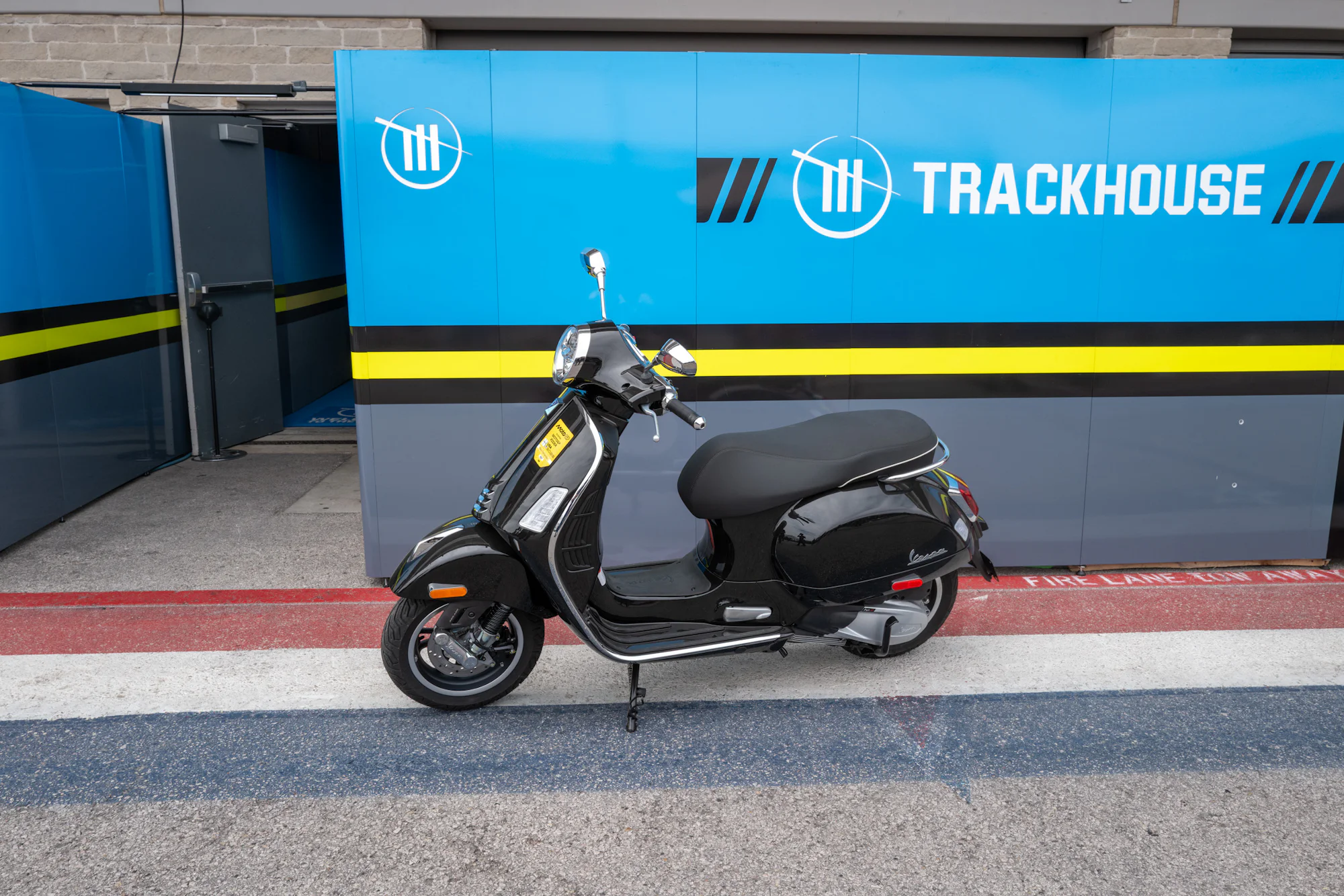
More my speed.
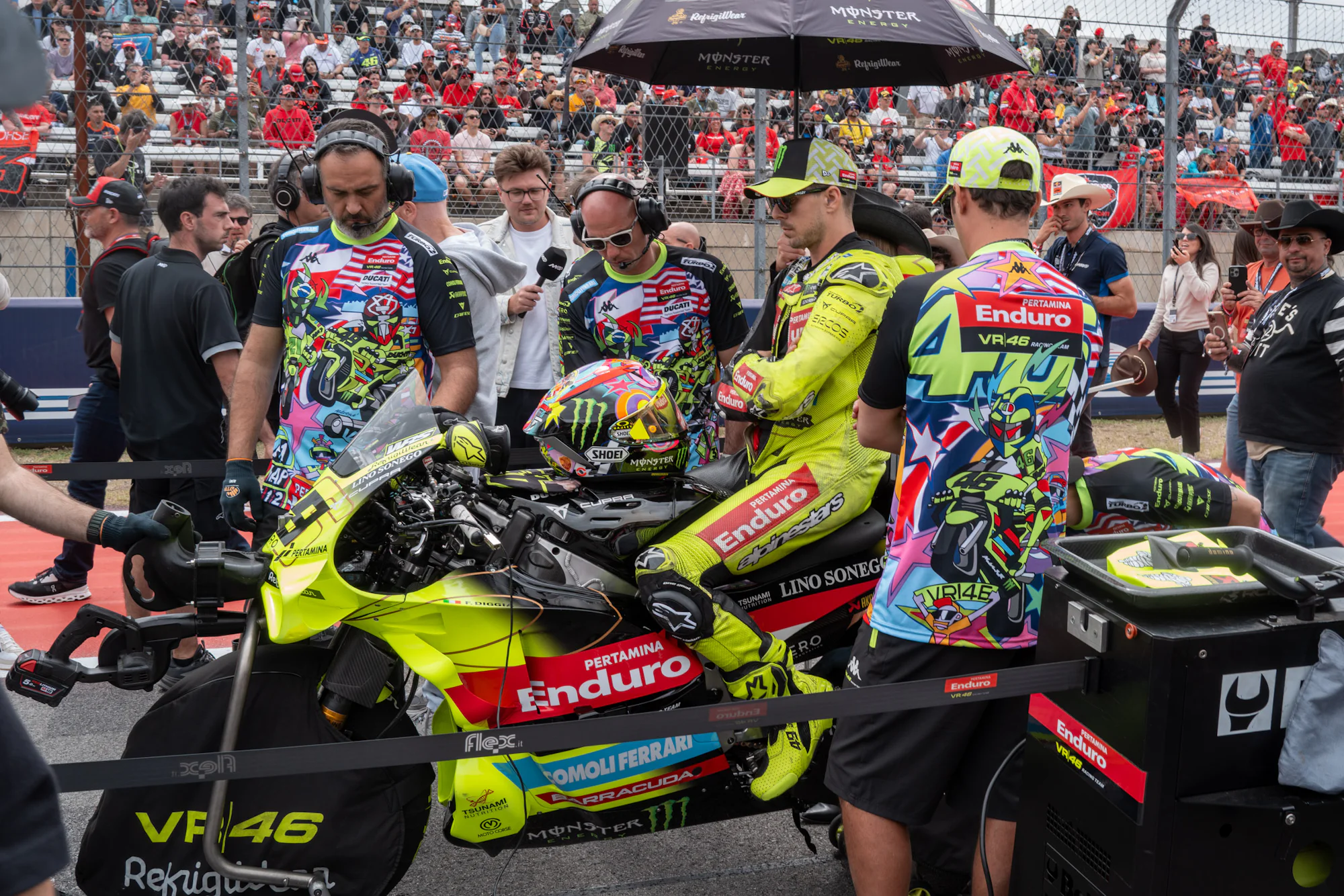
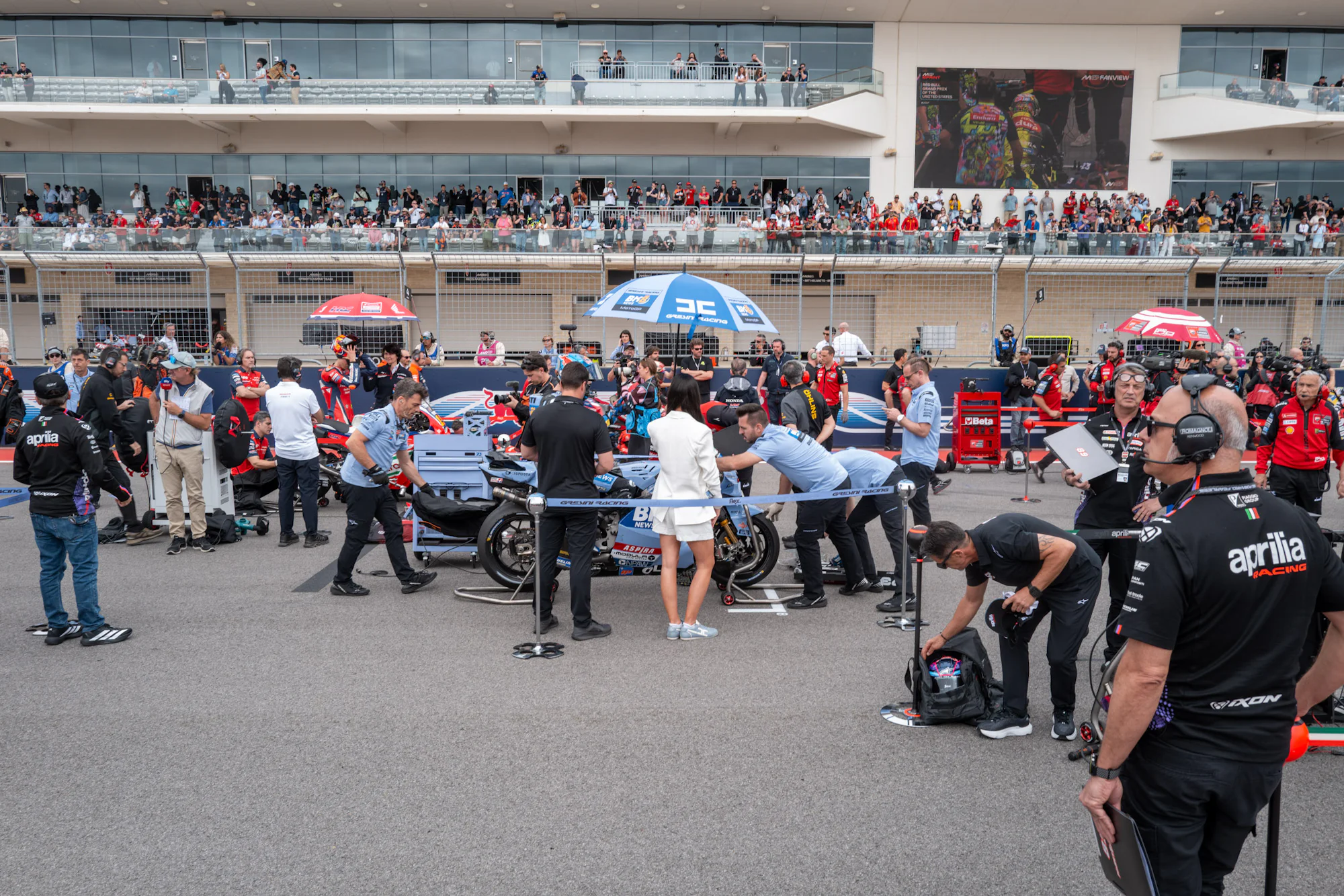
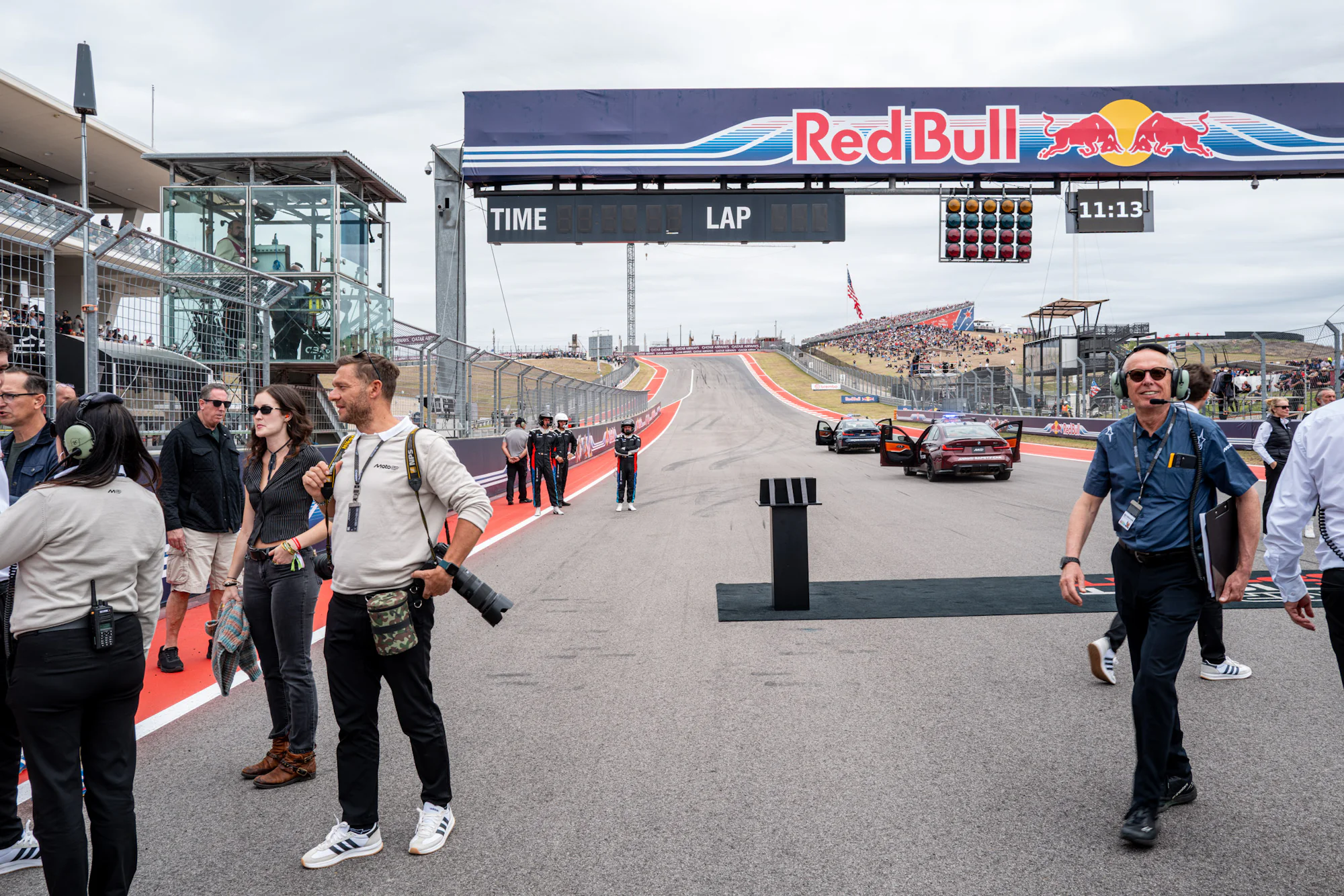
The start straight. The hill up to turn 1 is much bigger in person than it looks on TV.


Medical staff on turn 2.

The view looking down the start/finish straight from the top of the hill at turn 1.

Tissot PRX Powermatic 80 on a white rubber strap.

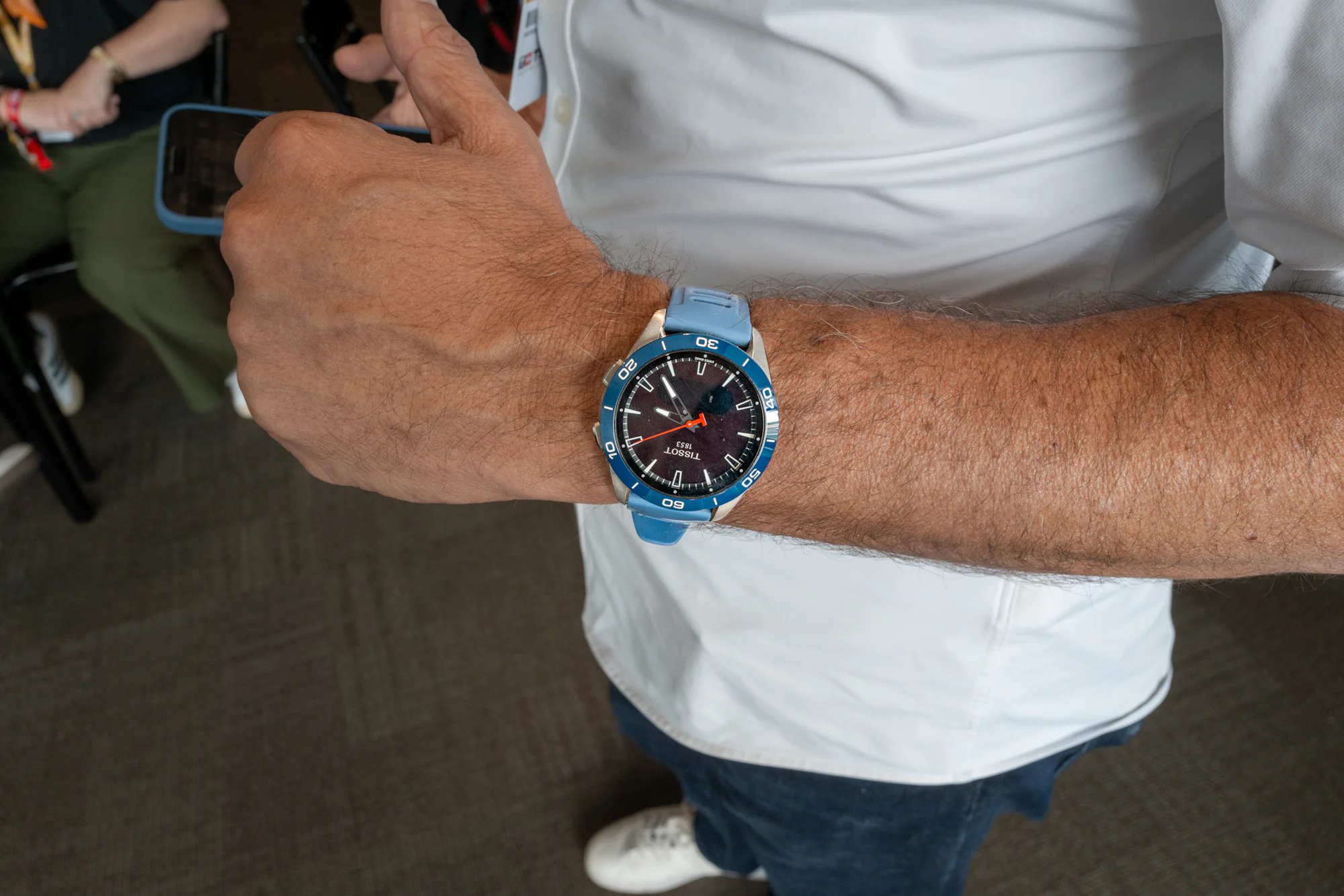
Tissot T-Touch Connect Solar Sport GMT

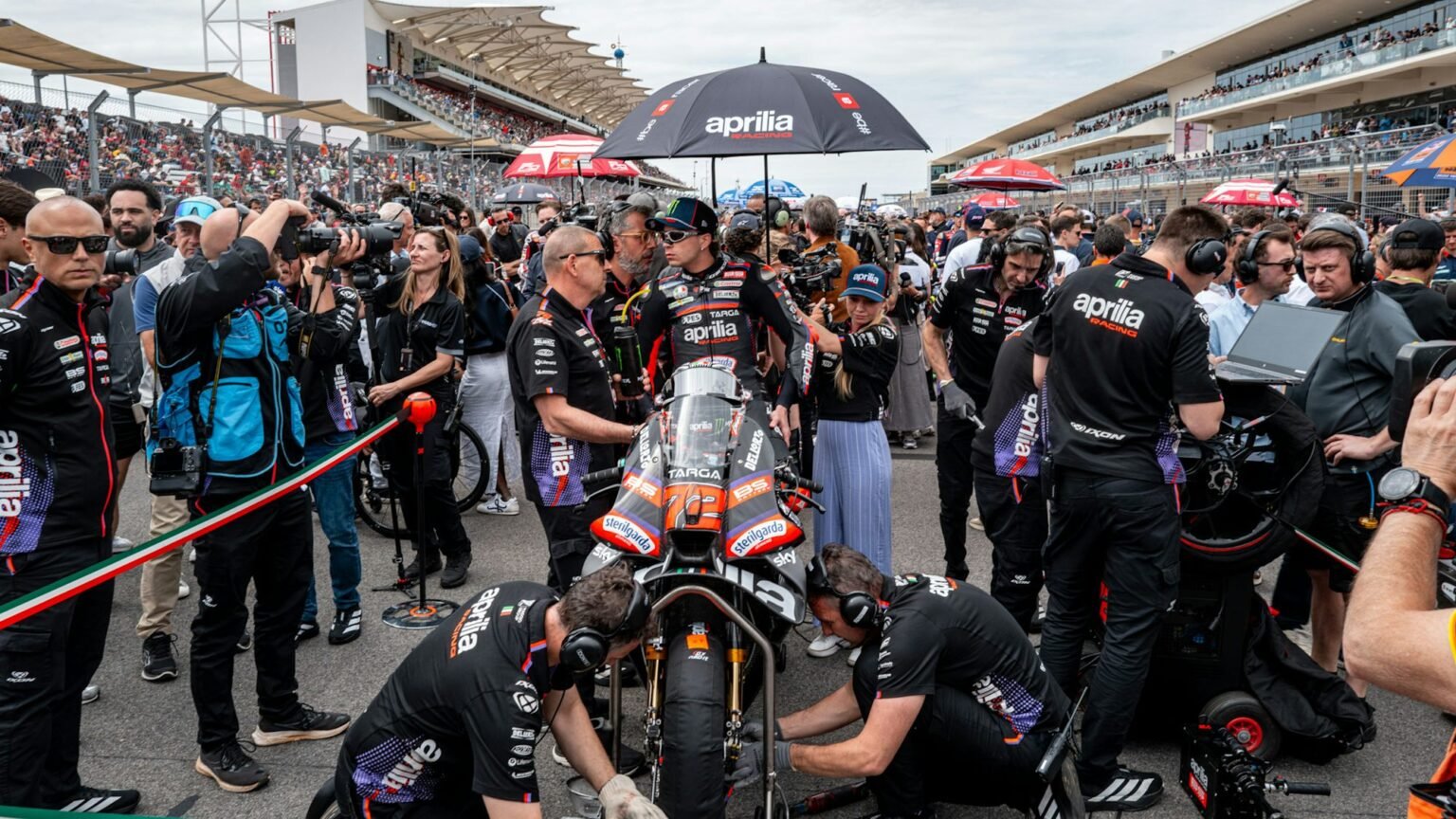
Marco Bezzecchi who rides for Aprilia Racing was victorious.

The mechanics from Aprilia Racing celebrating.
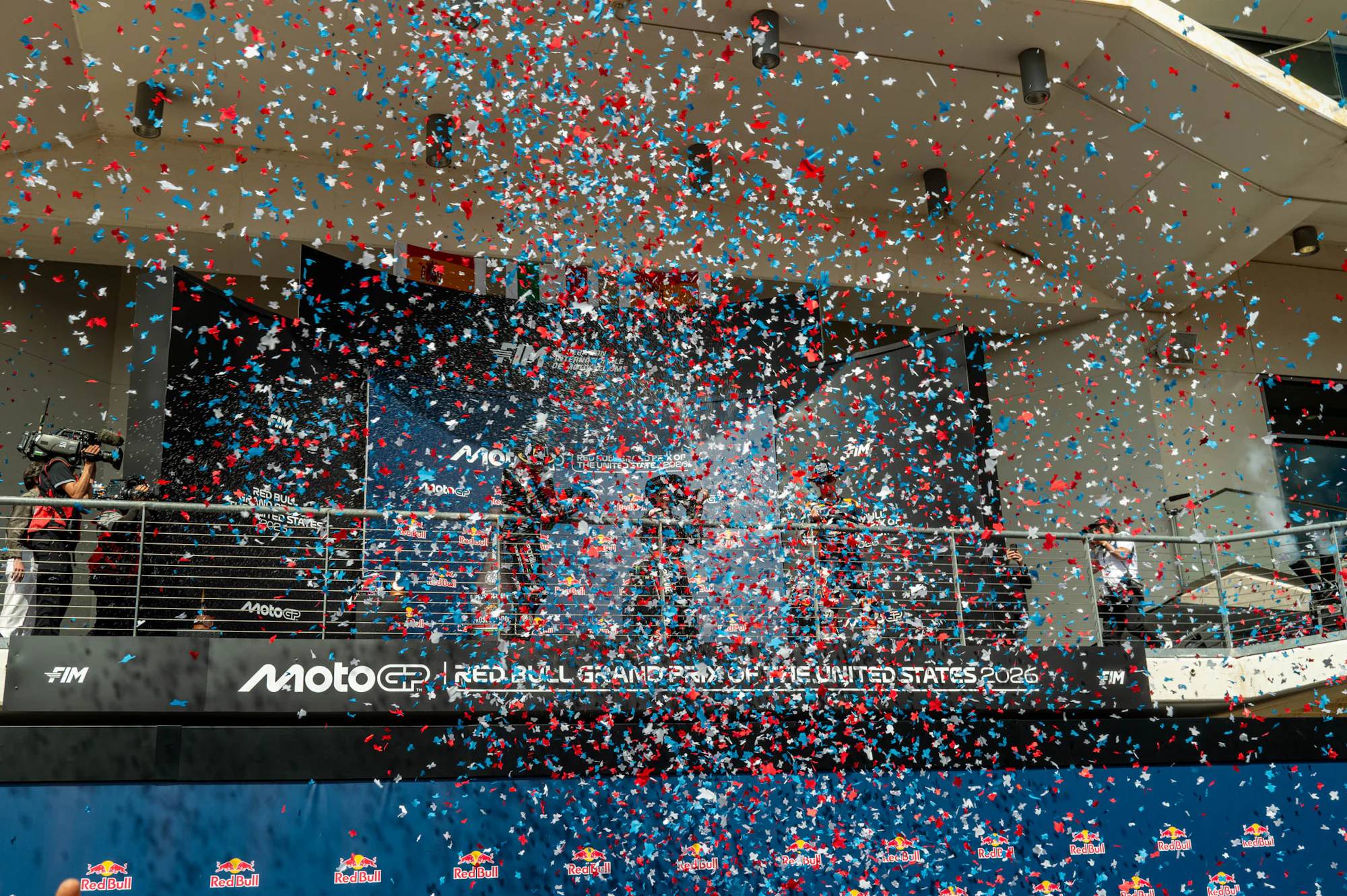
To the winners goes the champagne (and the confetti).