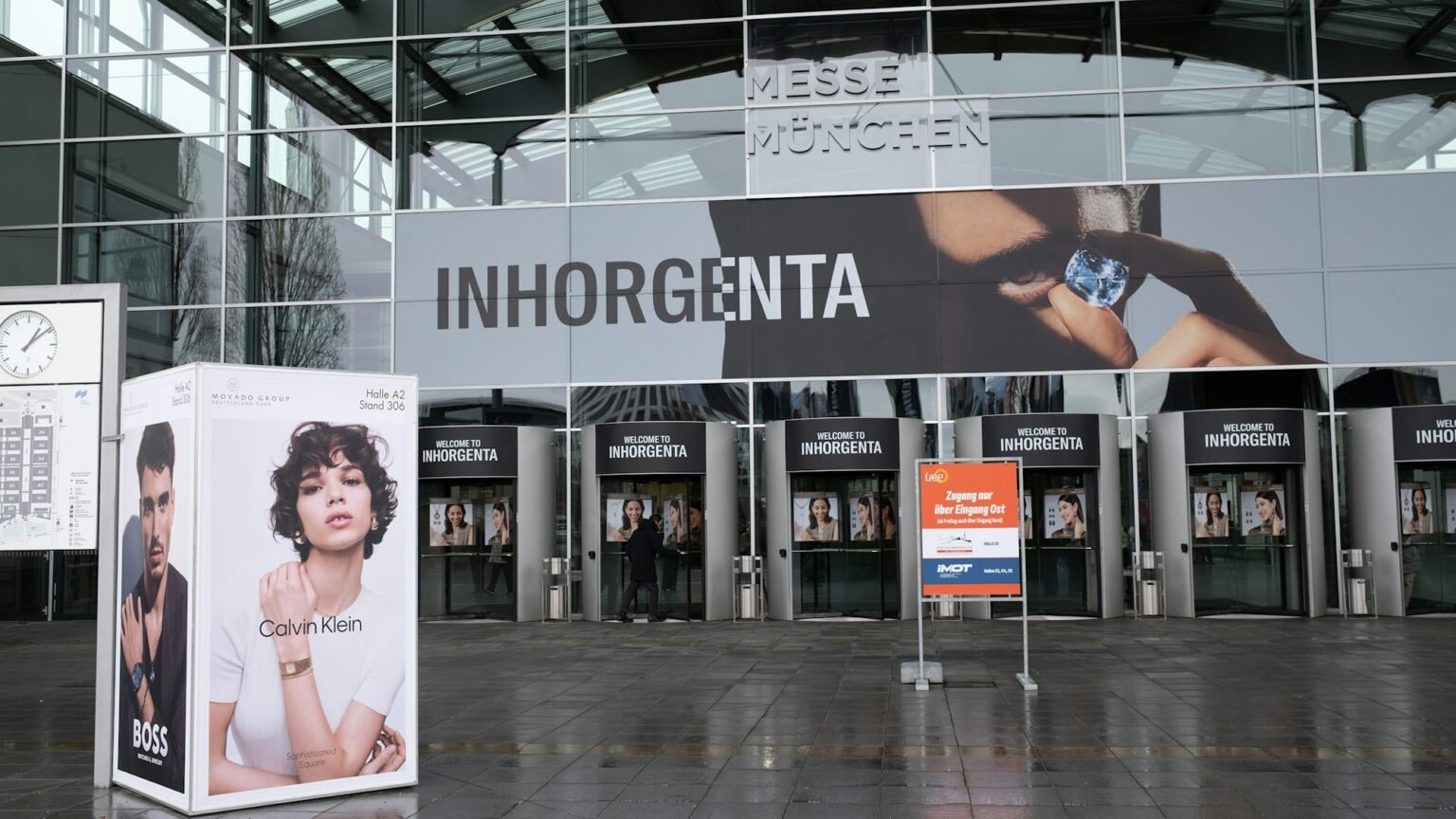

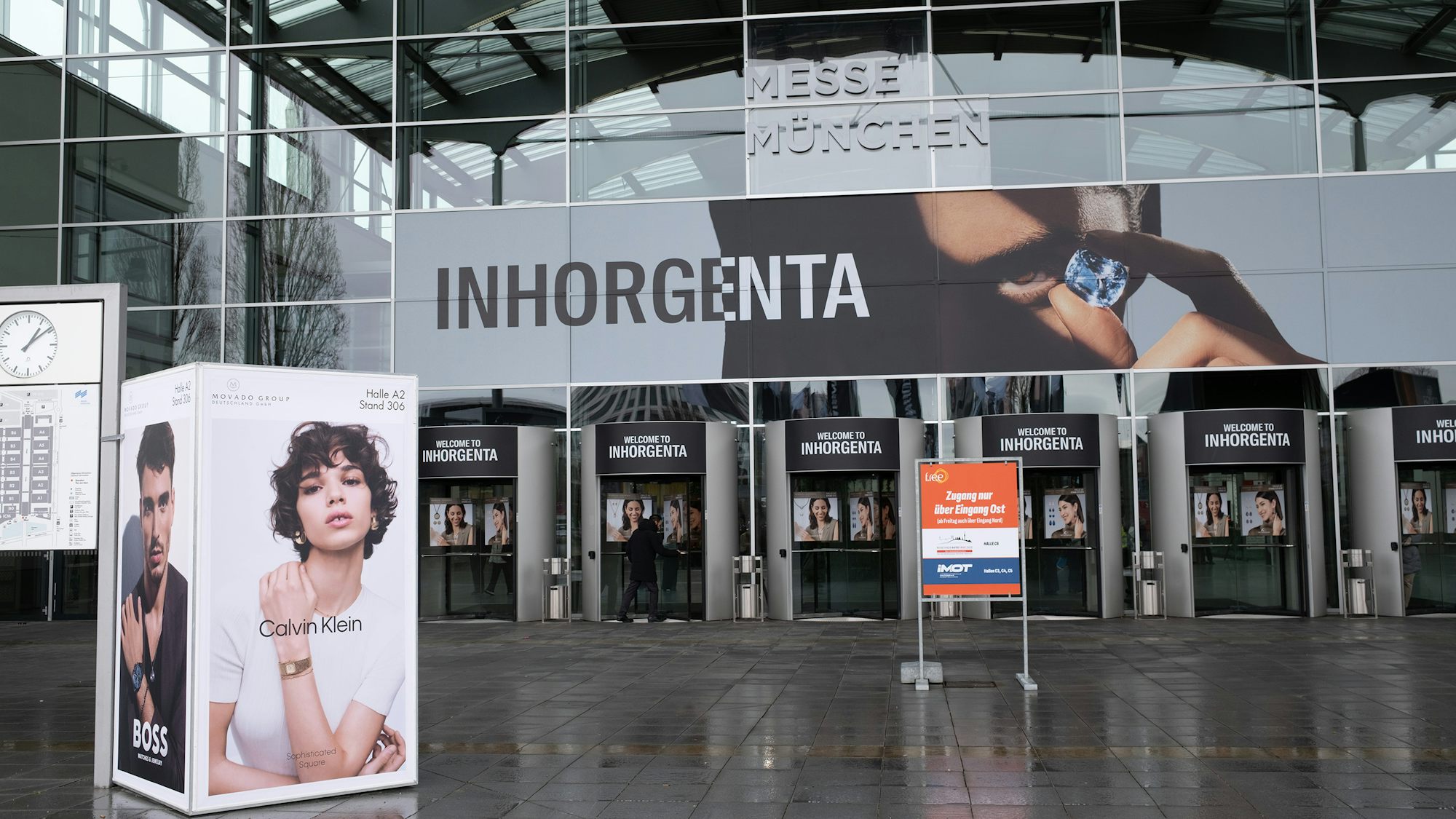
On a snowy and wind-whipped weekend in Munich last month, more than a thousand jewelry brands descended on a sprawling conference centre on the outskirts of the Bavarian capital. Inhorgenta Munich, founded in 1974, has evolved into one of Europe’s key business trade fairs for the sector, attracting more than 25,000 visitors from about 100 countries. But the show is not just for traditional jewelry buyers and sellers these days. As the global watch industry has come under pressure amid faltering sales in China and with U.S. markets challenged by inflation and cloudy economic forecasts, horology brands are increasingly returning to traditional trade events, including shows like Inhorgenta. The watchmakers are in search of fresh clients, retail partners, and to promote watches and the industry in general amid one of the most uncertain global luxury markets in recent memory. Business-to-business focused Inhorgenta sits closer to the heart of that commercial relationship.
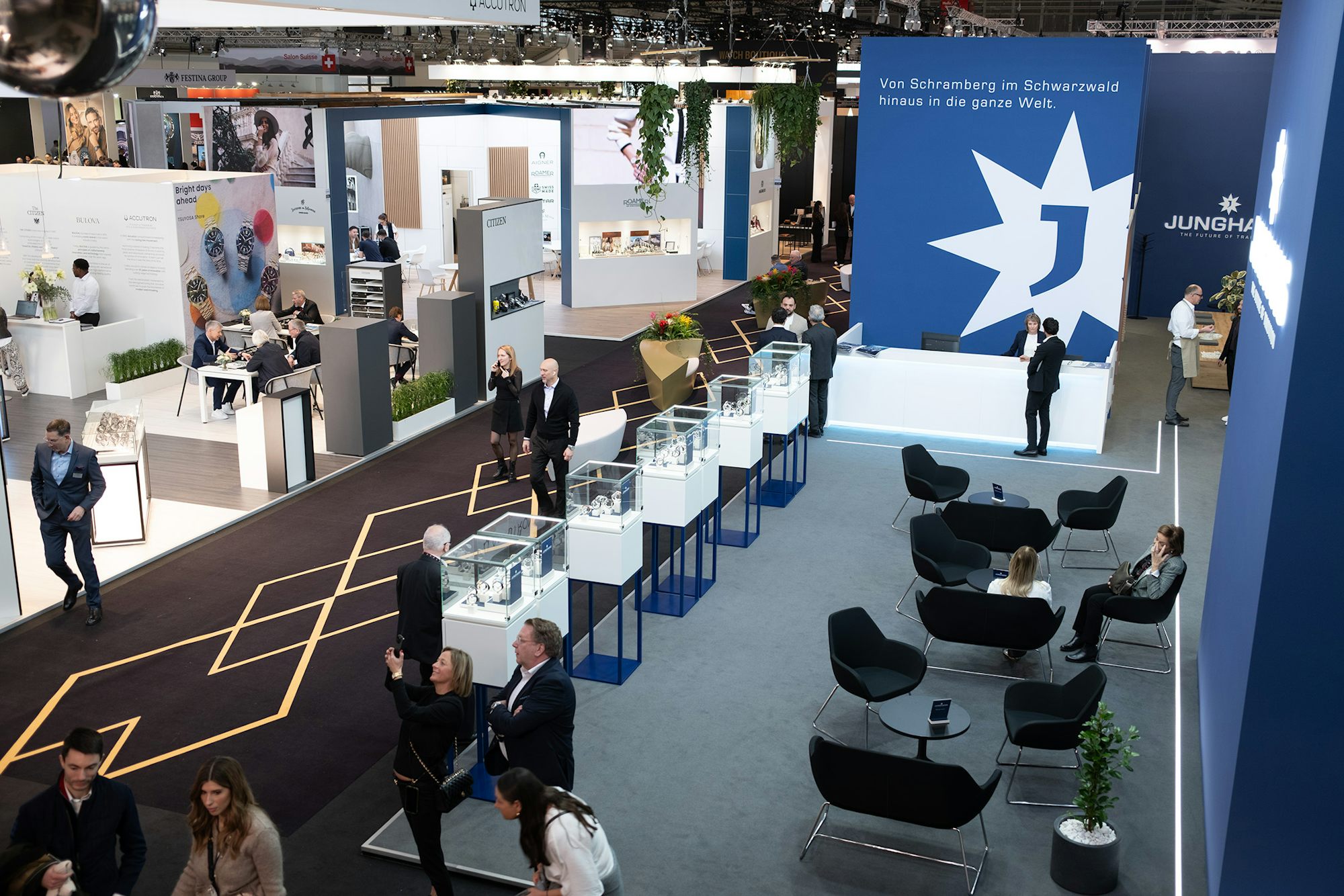
Inhorgenta is the largest jewelry fair in Germany and was founded in 1974.
Inhorgenta has long been an annual calendar event for high-volume, mainstream international watch brands, including Timex, Citizen, and Casio, as well as mass-produced Swiss brands like Festina, which also makes watch movements under its Soprod division. With slick, bright, and busy booths teeming with retail clients, they still dominate the fair and the floor space of the horology hall, where about 130 watch brands exhibited this year.
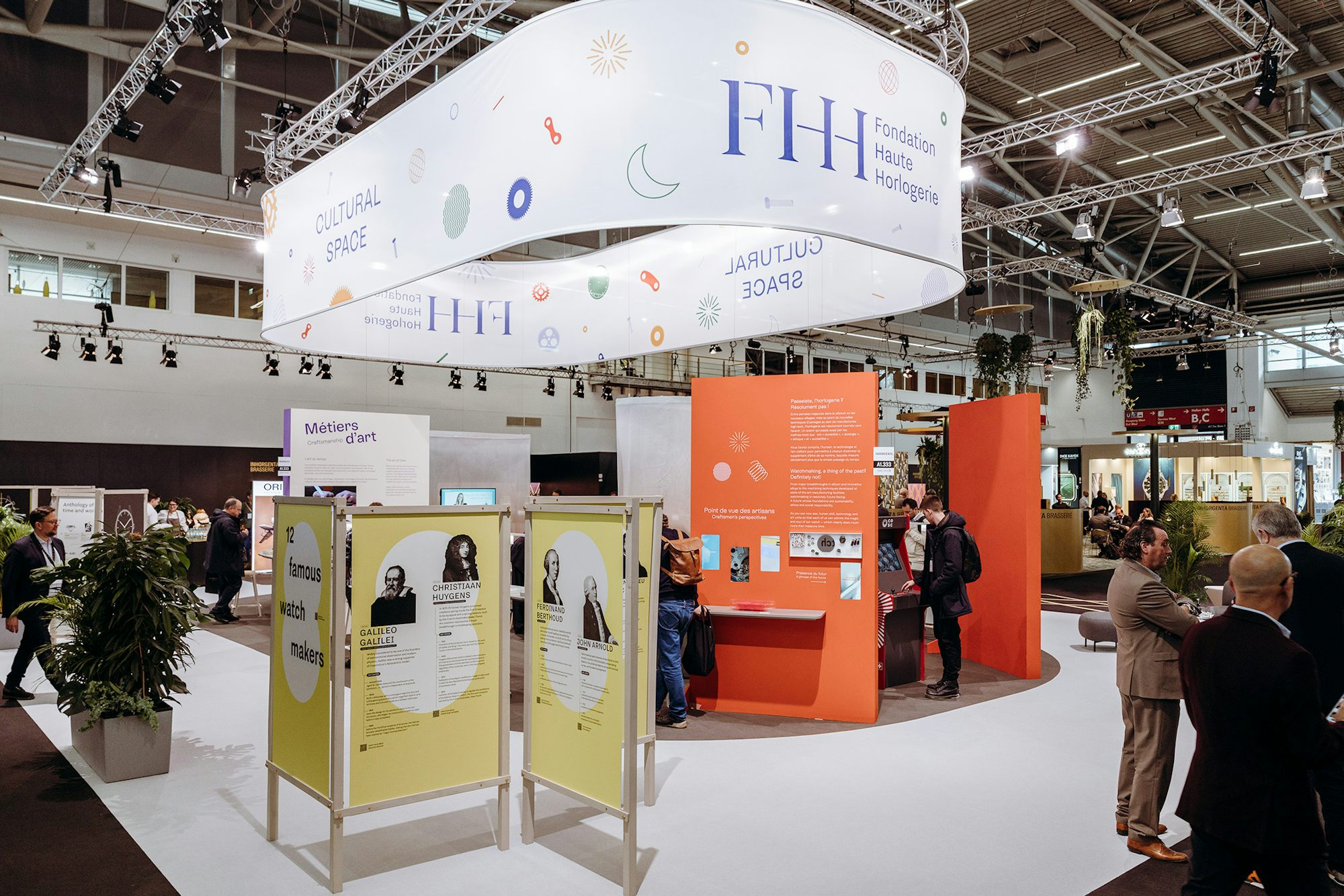
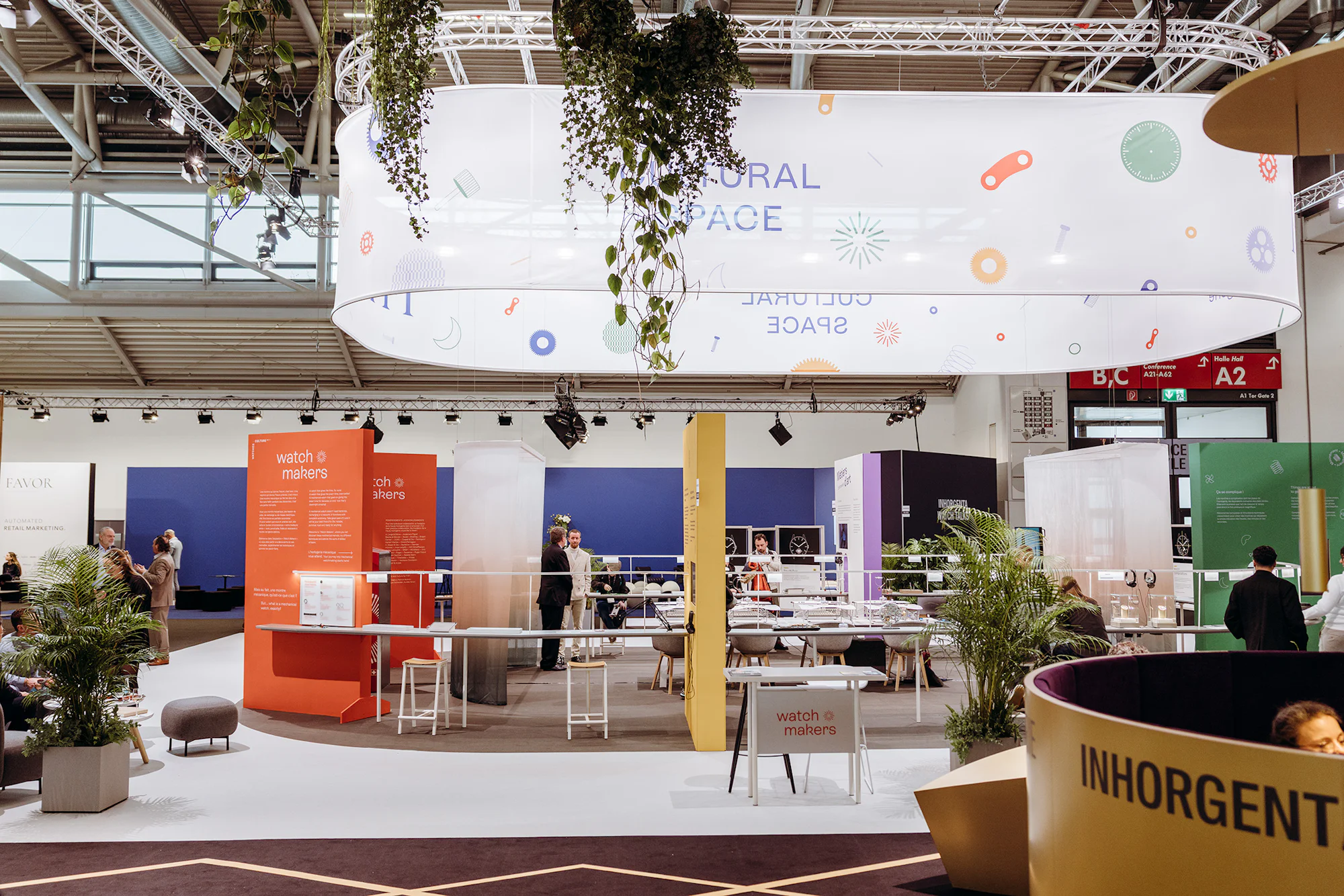
The FHH Cultural Space at Inhorgenta.
But with support from the Swiss-based Fondation Haute Horlogerie (FHH), more traditional, independent, and high-end watch brands are making the trip to Munich and the Messe München exhibit space. Executives from Swiss brands Piaget, Oris, Armin Strom, and the head of the timepieces division at Richemont’s Montblanc Minerva made appearances at Inhorgenta this year. Swiss companies and brands, including Doxa, Ebel, Favre Leuba, and Maurice Lacroix, as well as U.K.-based Fears and high-end German marques Tutima Glasshütte and Junghans, were peppered among the fashion brand watches from Adidas, Guess, Emporio Armani, and Fossil on the trade show floor.
While watch brands are feeling the pinch of a general downturn in demand, there’s also been a shift in how pricey timepieces are being sold. Many of the biggest maisons, Audemars Piguet is a prime example, have been shifting retail sales to their own in-house store boutiques. That’s leaving a product gap for many traditional jewelry retailers looking to sell watches to clients to complement their jewelry offerings.
Inhorgenta is where much of the European jewelry retailer community, particularly German-speaking sellers, converges. Austria and Germany combined represent about 8% of the global watch market, says Dr. Frank Müller, the CEO of The Bridge To Luxury, a Germany-based consulting firm, and a former member of the management board at Swatch Group AG. That’s a significant part of the market, he says.
Inhorgenta is where those retailers can view products in person, talk to executives, and place orders. The product gap caused by more traditional brands going in-house is a potential opportunity for a new wave of watchmaker brands.

Fears exhibited at Inhorgenta for the first time this year.
Daniel Varney, the Head of Commercial at Fears, says the U.K. brand is celebrating 10 years since its relaunch in 2016 and 180 years since it was originally founded. Fears attended Inhorgenta for the first time in 2026.
“The celebrations will include new products and releases, but we’re also trying to enter new markets. Europe is quite a small part of our business currently, and it’s something we want to grow, and this is a first step on that journey,” Varney says.
This year marked a return to Inhorgenta for approachable-priced Swiss brand Maurice Lacroix after a few years’ absence, with a multi-level booth offering visitors plenty of beverages and refreshments. The brand, which recently launched its higher-end Aikonic line as well as a vintage-inspired model line called 1975, says the German-speaking market is one of its most important.
“It’s about reassuring the retailers and with such a presence we can cater and show them all the novelties. But this is also a European fair with visitors from the Nordic countries to Eastern and Southern Europe, we have many retailers and distributors visiting us here,” says Stéphane Waser, Maurice Lacroix’s CEO.

Mainstream, big volume brands including Casio and Festina are traditional exhibitors at Inhorgenta.
For years, many established Swiss watch brands focused their trade-show energy almost entirely on Geneva and what is now Watches and Wonders, as well as Basel and the massive Baselworld event. But with Baselworld gone and global demand uneven, Inhorgenta is re-emerging as a practical platform for reaching retailers, especially in Europe.
That matters because the industry’s growth engine is sputtering. Demand in China has cooled, U.S. luxury spending is normalizing after the pandemic boom, and geopolitical uncertainty, from currency swings to tariffs, has complicated global distribution. In this environment, brands are once again prioritizing order-driven trade shows where retailers actually place inventory commitments, and Inhorgenta fits that model.
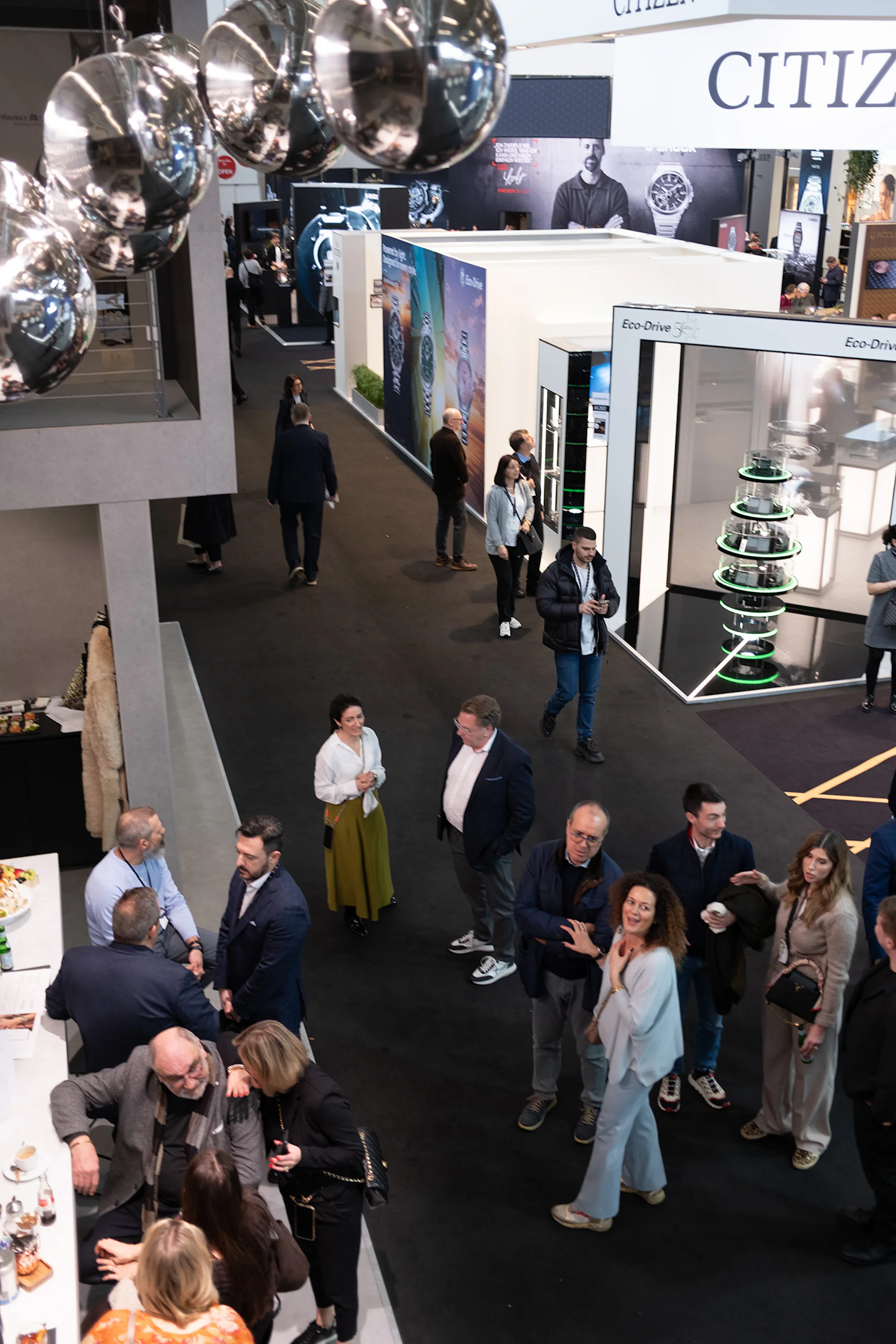
Maurice Lacroix returned to Inhorgenta in 2026 with a booth popular with visitors.
It’s also a time when the type of watches in focus at Inhorgenta, those priced in the mid-tier luxury range of $1,000 to $5,000, that remain responsible for a significant part of the industry’s unit volumes despite overall unit shipments shrinking for more than a decade, could be more desirable for retailers.
Frank Michael Müller, the founder and head of Germany-based Responsio, produces economic reports and data on the German watch and jewelry market, including the Watch Monitor report. Consumer surveys show that the average amount people in the German market were willing to spend on a watch has declined by 23%.
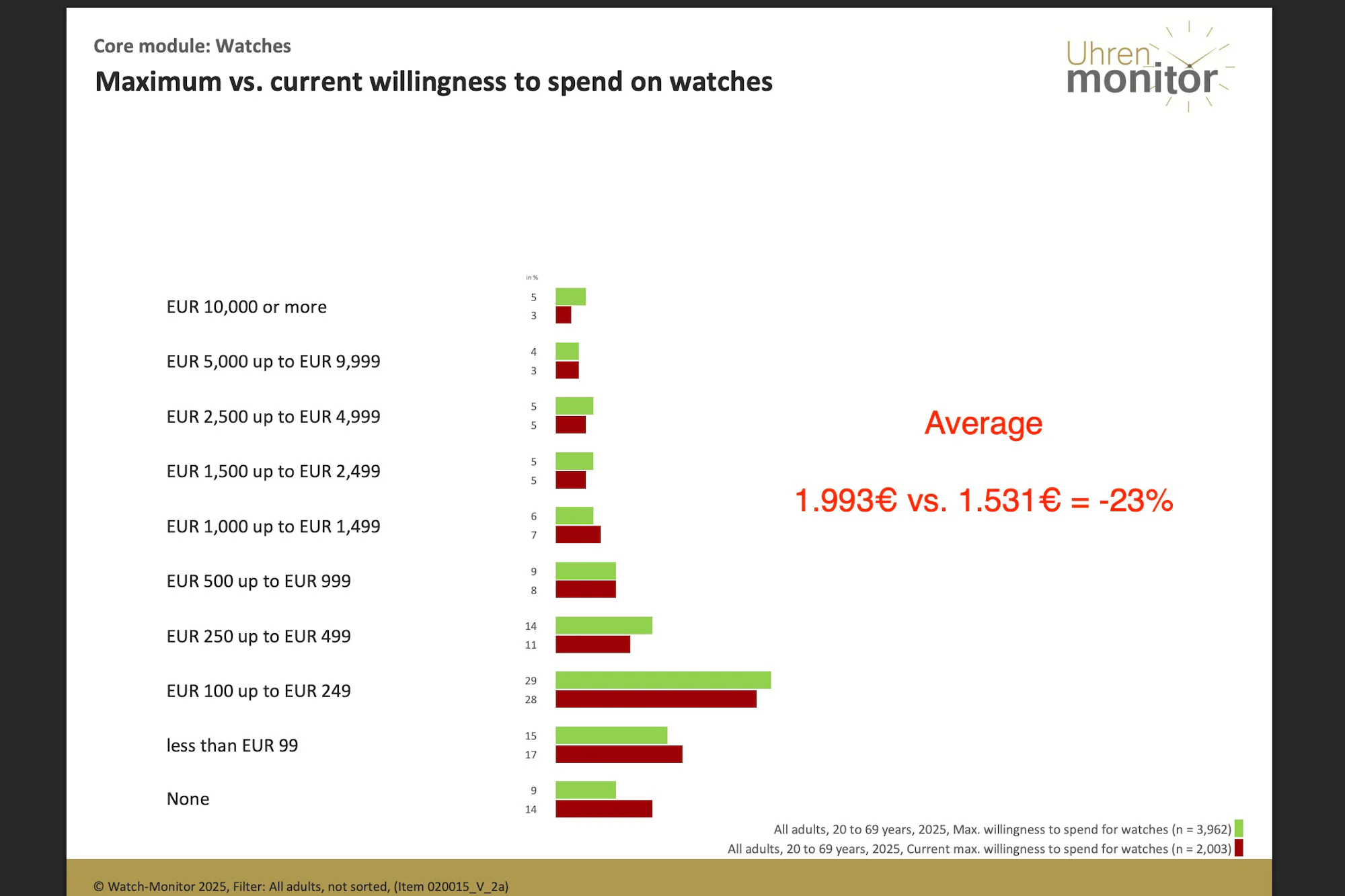
Image and data courtesy Uhren Monitor and Responsio.
Despite the current hurdles, the industry continues to attract new entrants and brands. Walking the halls of Inhorgenta this year was the young duo behind Elvonith, a German brand that’s launching its first watch this month.
Featuring stone dials and a bold, angular case, both made in Germany, the unique, brutalist-inspired timepiece caught our eye amid a sea of G-Shocks and fashion watches at the show.
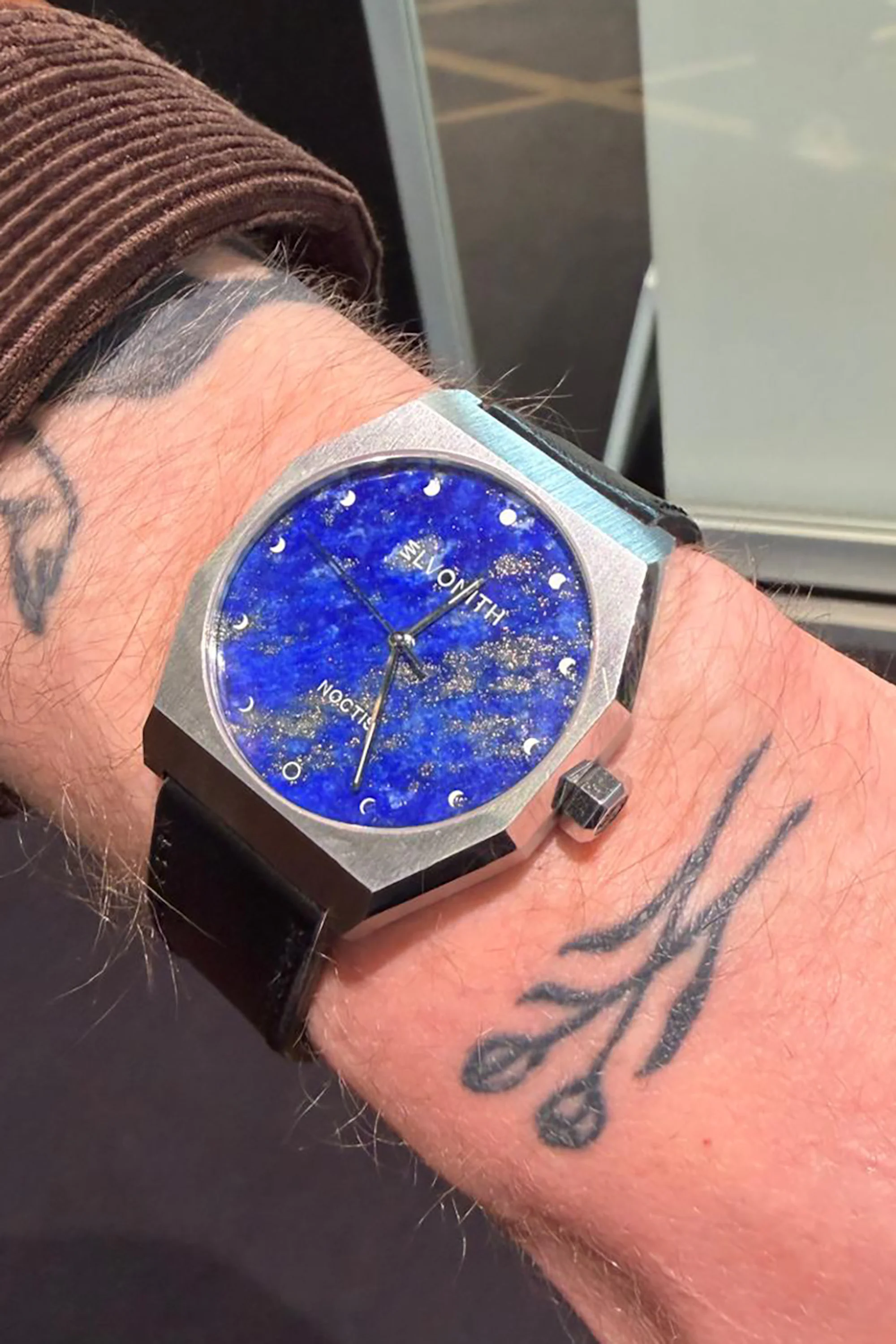
The Elvonith Noctis, a 50 piece limited edition from a new German brand launches this month.
It’s that spirit from which Switzerland’s FHH organized workshops, demonstrations, and hands-on experiences at Inhorgenta as part of its mandate to promote the culture and craftsmanship of watchmaking.
“Watchmaking is far more than a product,” Pascal Ravessoud, Vice President of the Fondation Haute Horlogerie, says at a media conference to open the Inhorgenta show and explain the FHH’s role in attracting and guiding new people to the world of watches.
Behind every watch is “an invisible world of craftsmanship, intelligence, patience and transmission,” he says. “Our role is to open that door — and take people by the hand.”